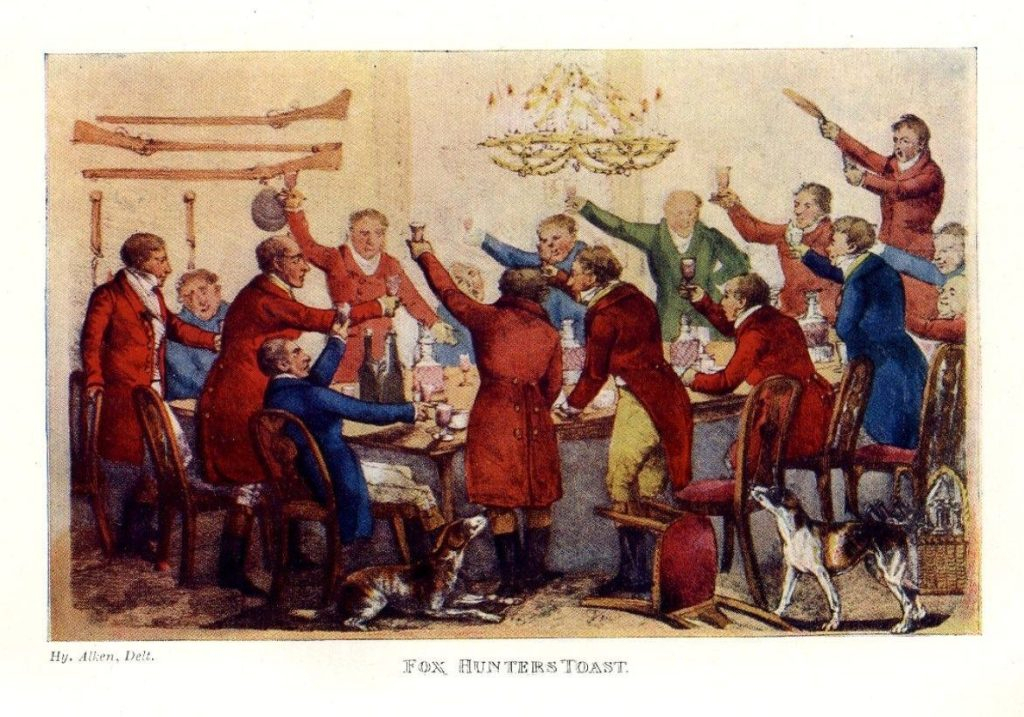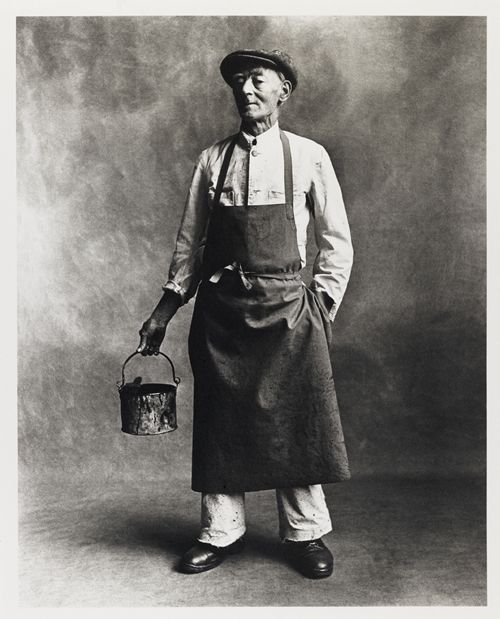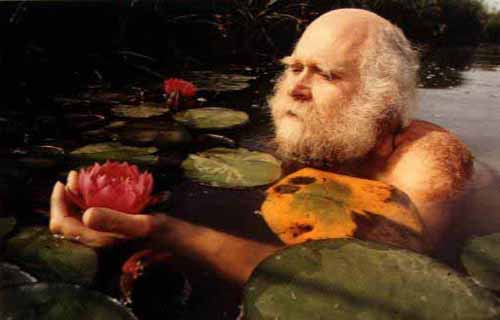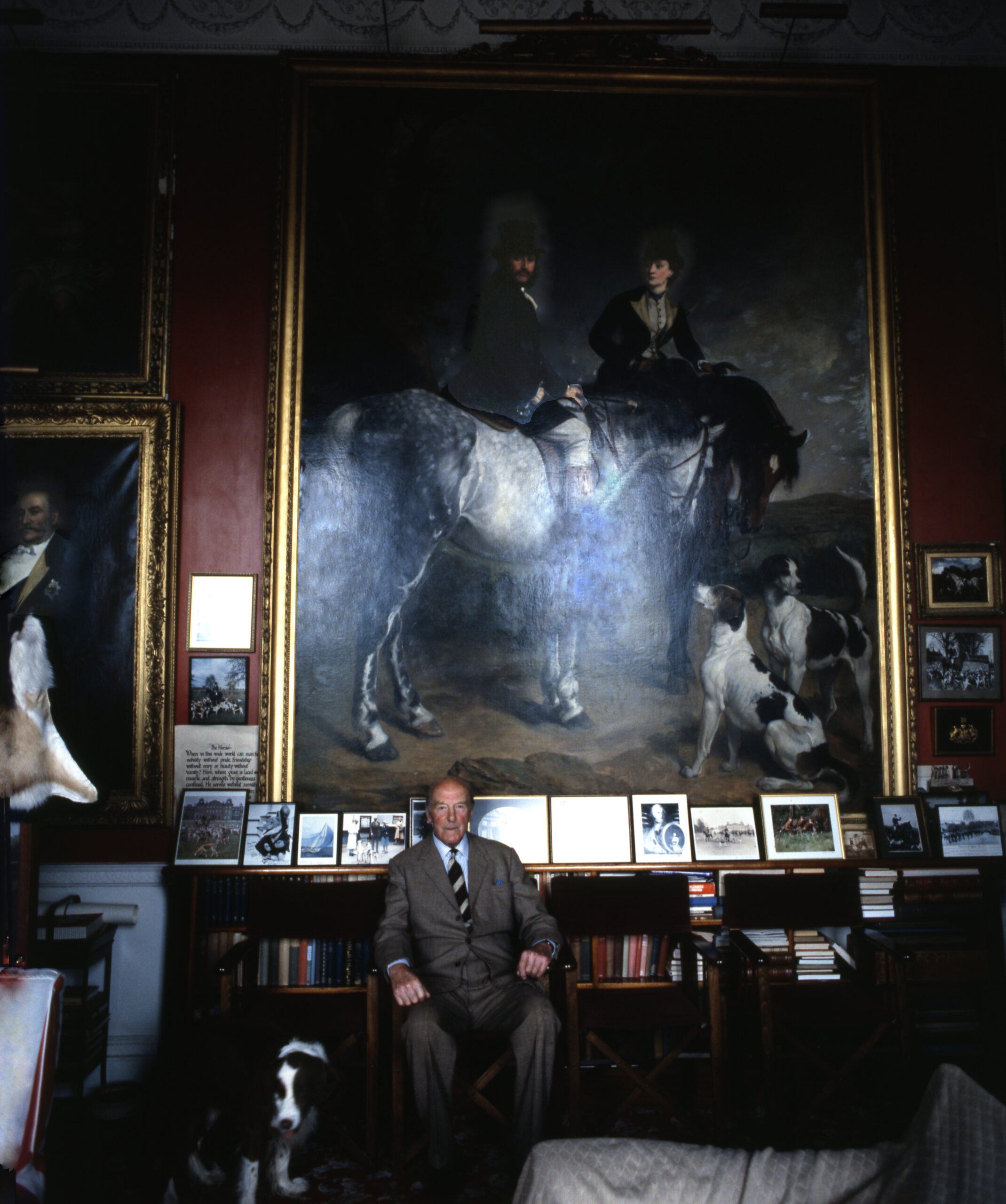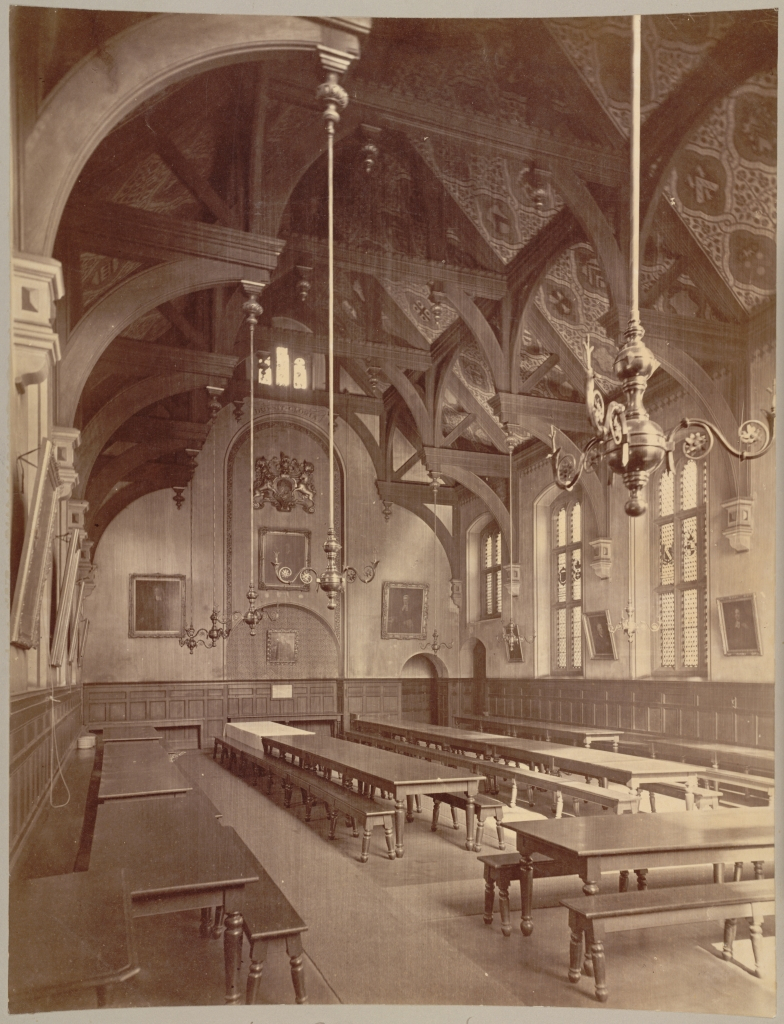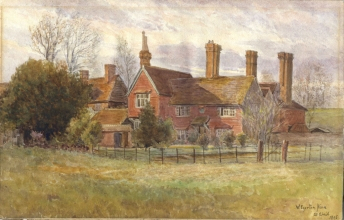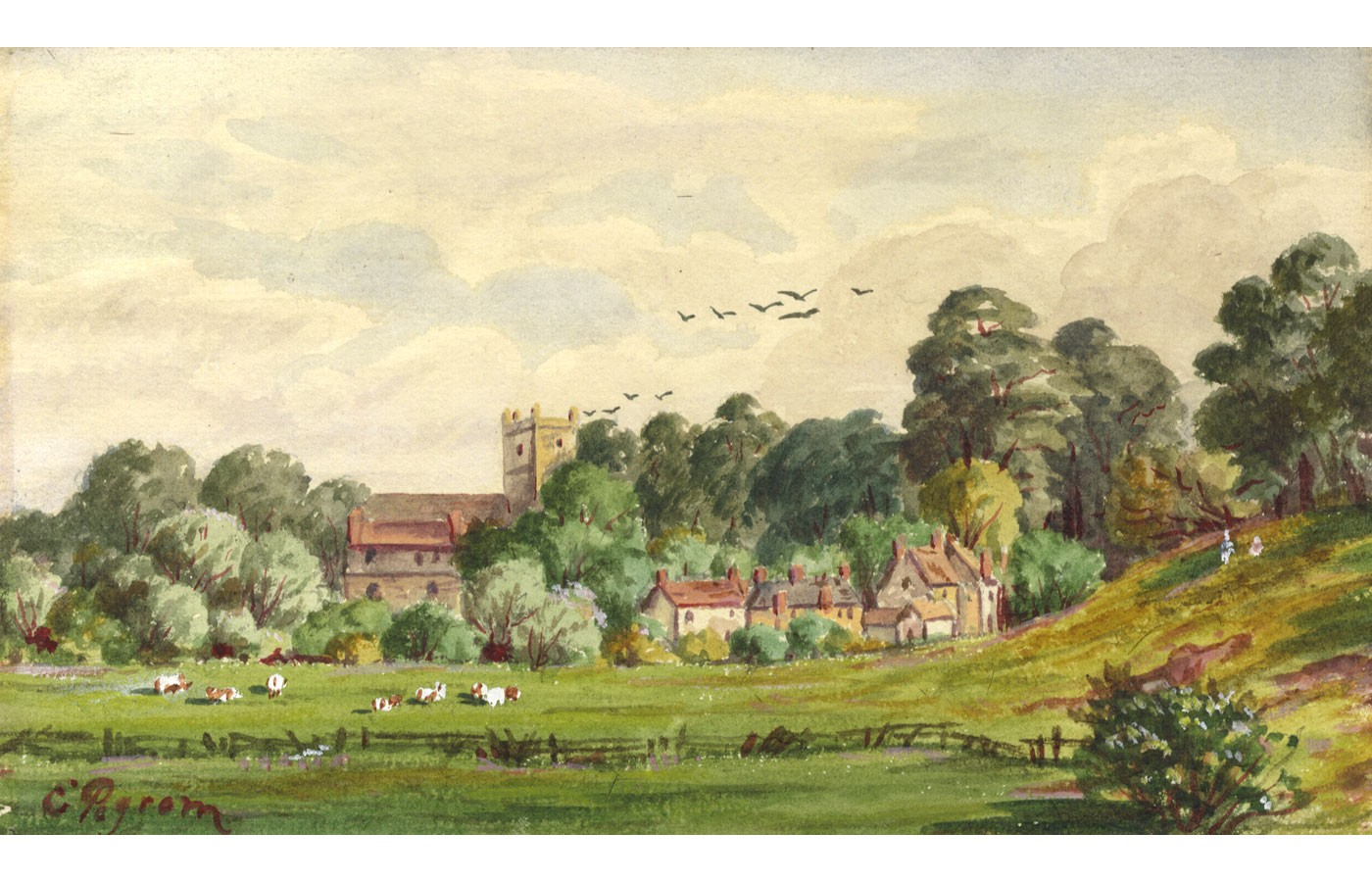

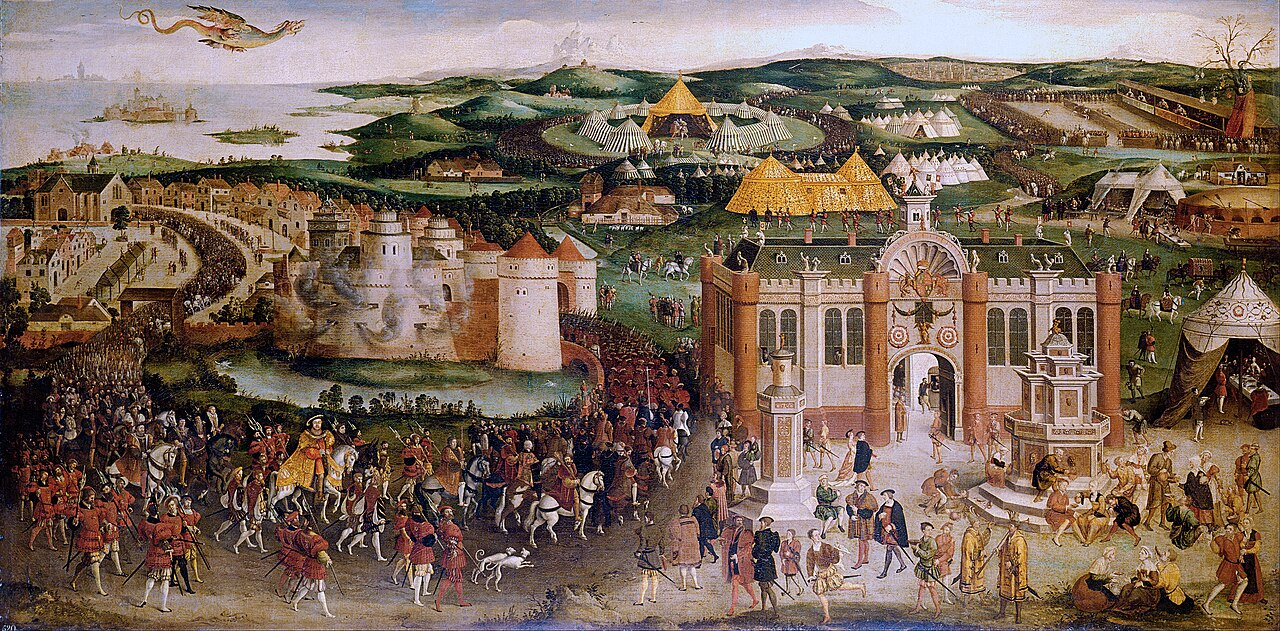


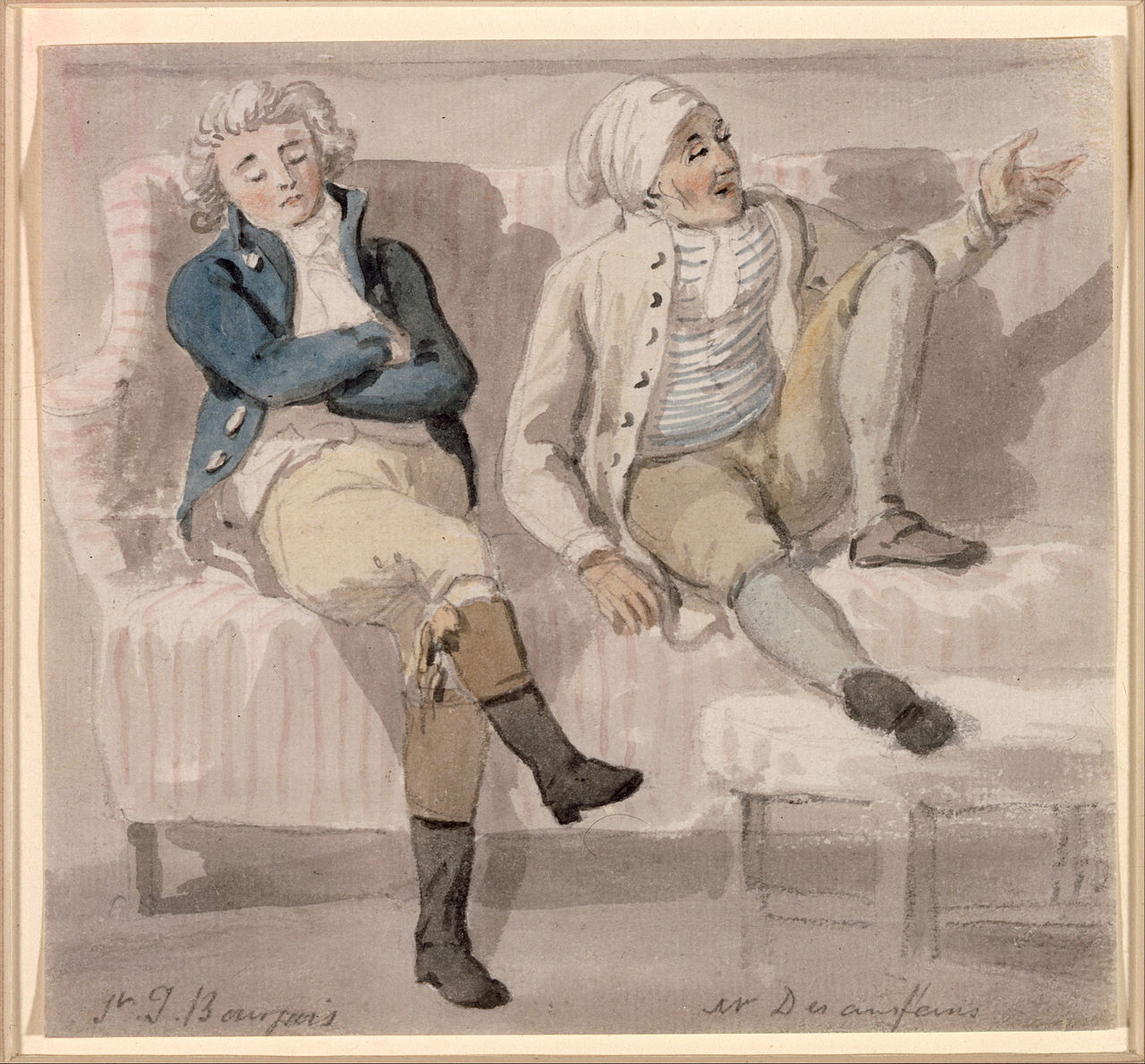










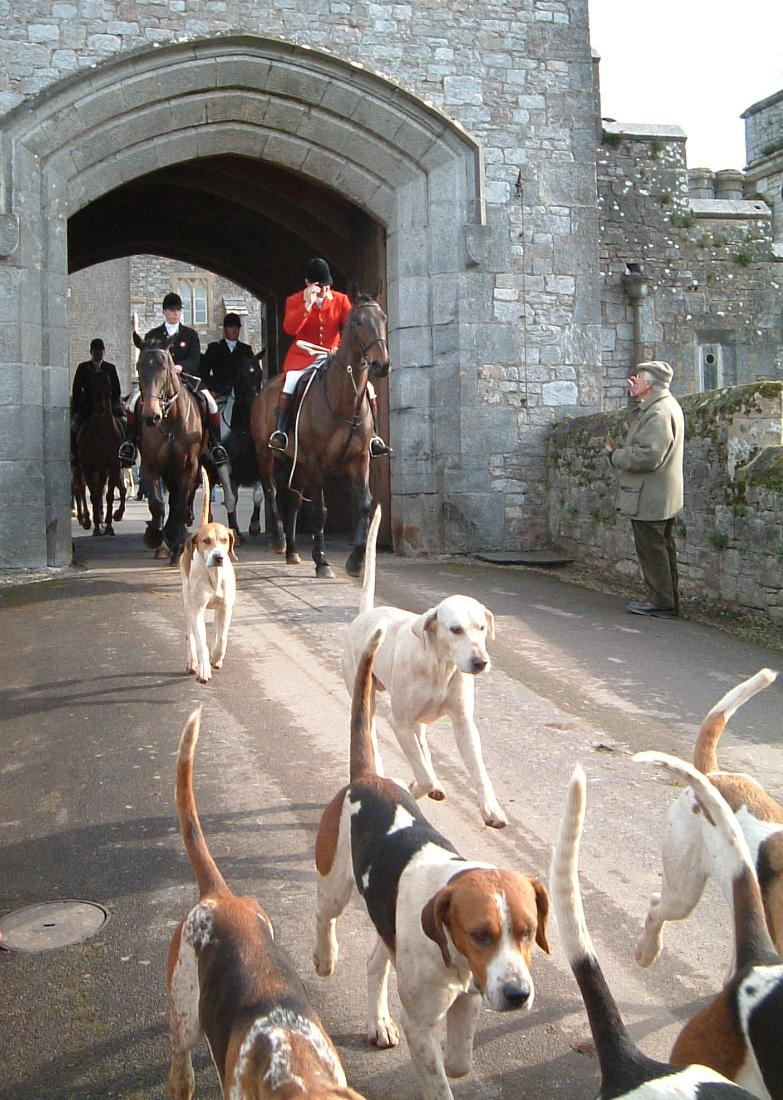













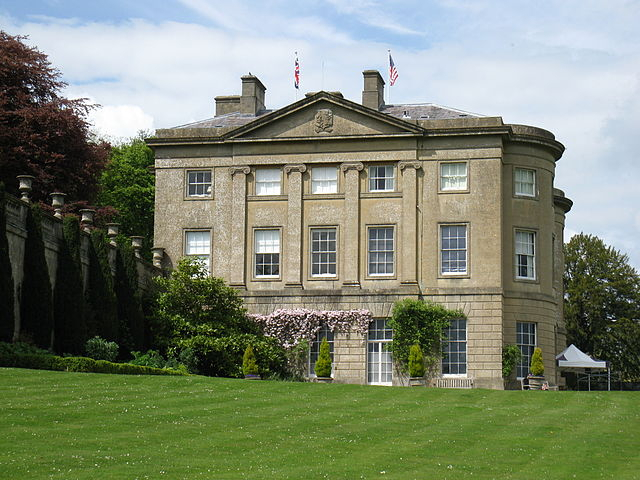


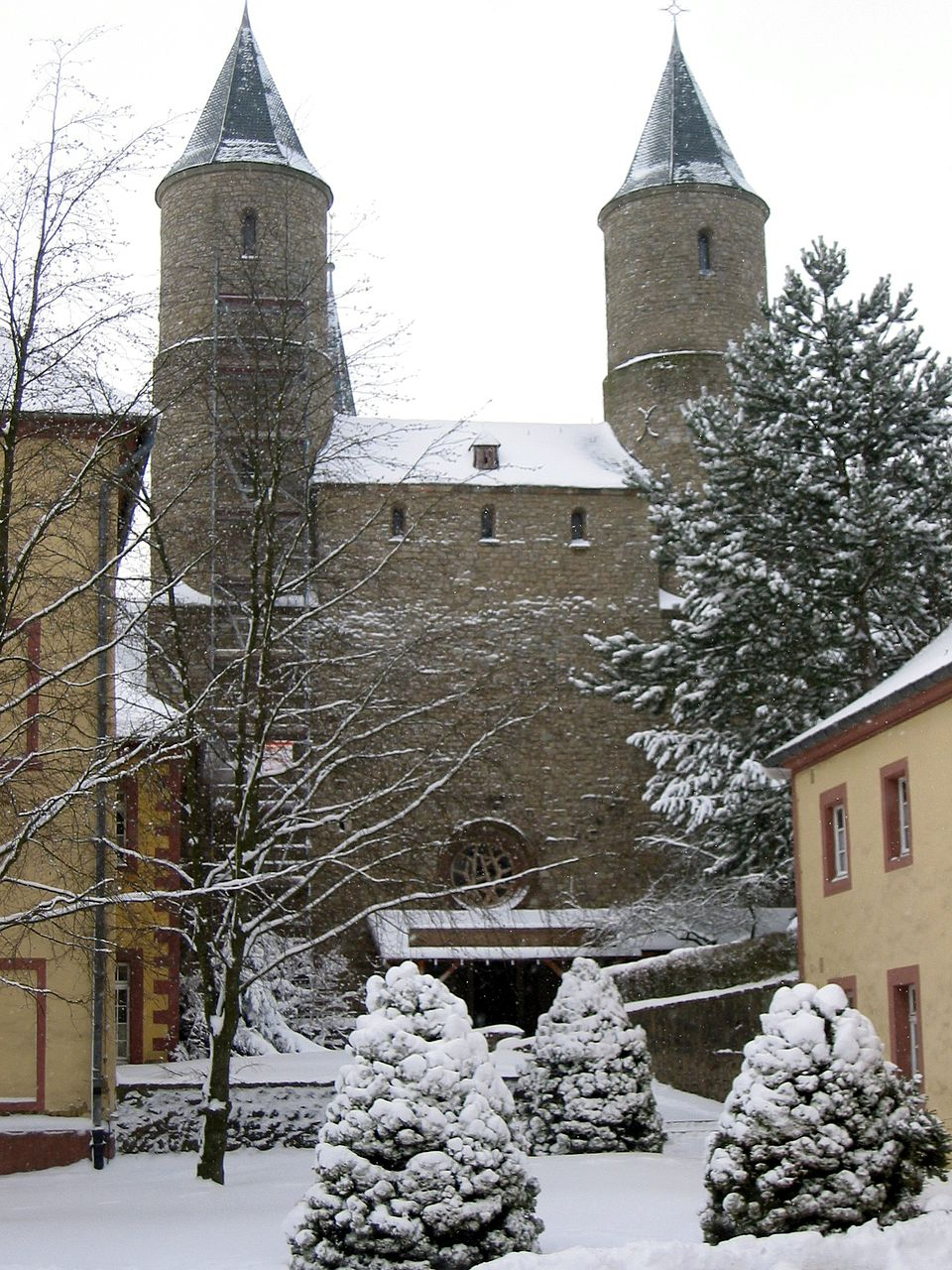











When one thinks of the English countryside or rural France replete with rambling country house estates and fairly tale chateaus sitting alongside grand chapels and country church spires, one might imagine a realm of manners, neighborly love, and country gentlemen. However, history informs us that this is not always the case and that one may well encounter a few country rogues and degenerate rascals along the wandering footpaths, forests, and verdant vales.
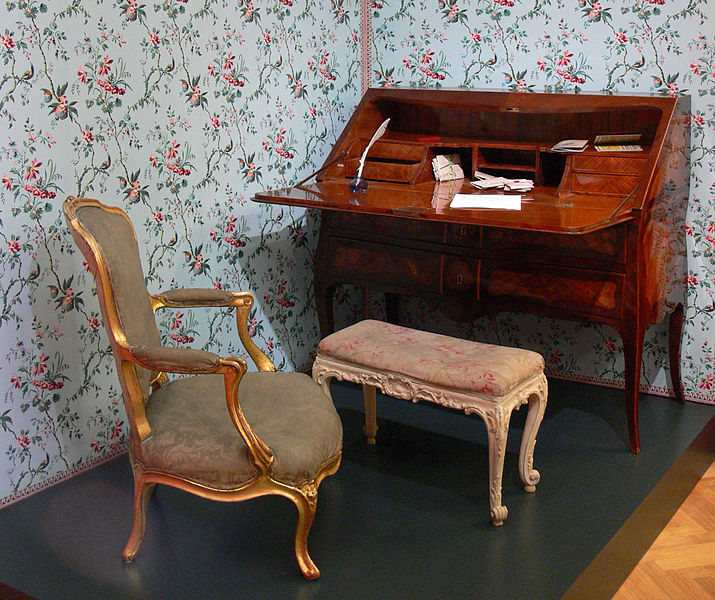
My reading list this year has included The Complete Poetical Works of Tennyson, The Cambridge Edition of the Poets edited by W.J. Rolfe – 1898, and a most interesting book on Claude Monet titled Monet at Giverny by Jean-Marie Toulgouat and Robert Gordon, published in 1975 by Mayflower Books, London. Both are well worth the read and have furnished me many hours of late evening armchair enjoyment. Within the pages of each book I have also discovered two quite unexpected tales of country life that have served to debunk a few of my preconceived notions regarding the tranquility of the English and French countrysides.
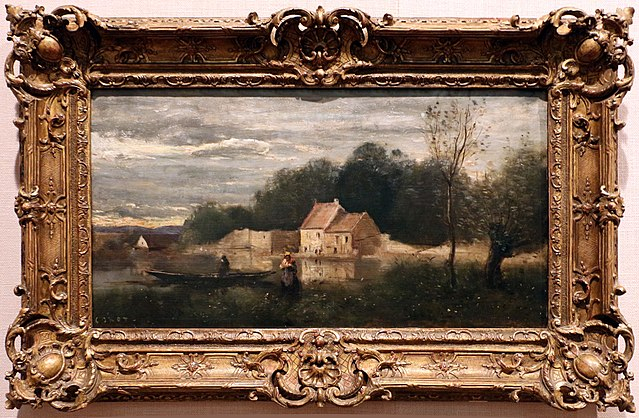
When Claude Monet, founding father of Impressionist painting, moved his rag tag band of a ready made family to Givency, he was not welcomed to the countryside with open arms. In fact, a few of the local peasants displayed an immediate disdain and dislike of Monet’s dress, mannerisms, and family habits. From the following description, one might think that Monet had it coming, however, tolerance for ones fellow man is occasionally trying at best. According to the authors:
“The Givernois were somewhat bemused by the Monet family; eccentric and bohemian in appearance, they were neither country folk nor town gentry with the girls in their bright check cotton dresses with an endless succession of parasols, the boys wearing pale pink felt hats. The only obvious respectable member of the family was Mme Hscherdé, an impressive figure in her dresses of sober printed foulard.
The peasants clearly did not consider painting a proper occupation and even though Monet liked to wear sabots and a beret, he was not popular. Reserved by nature and sparing of speech, the villagers considered him proud and aloof. There was considerable ill feeling.
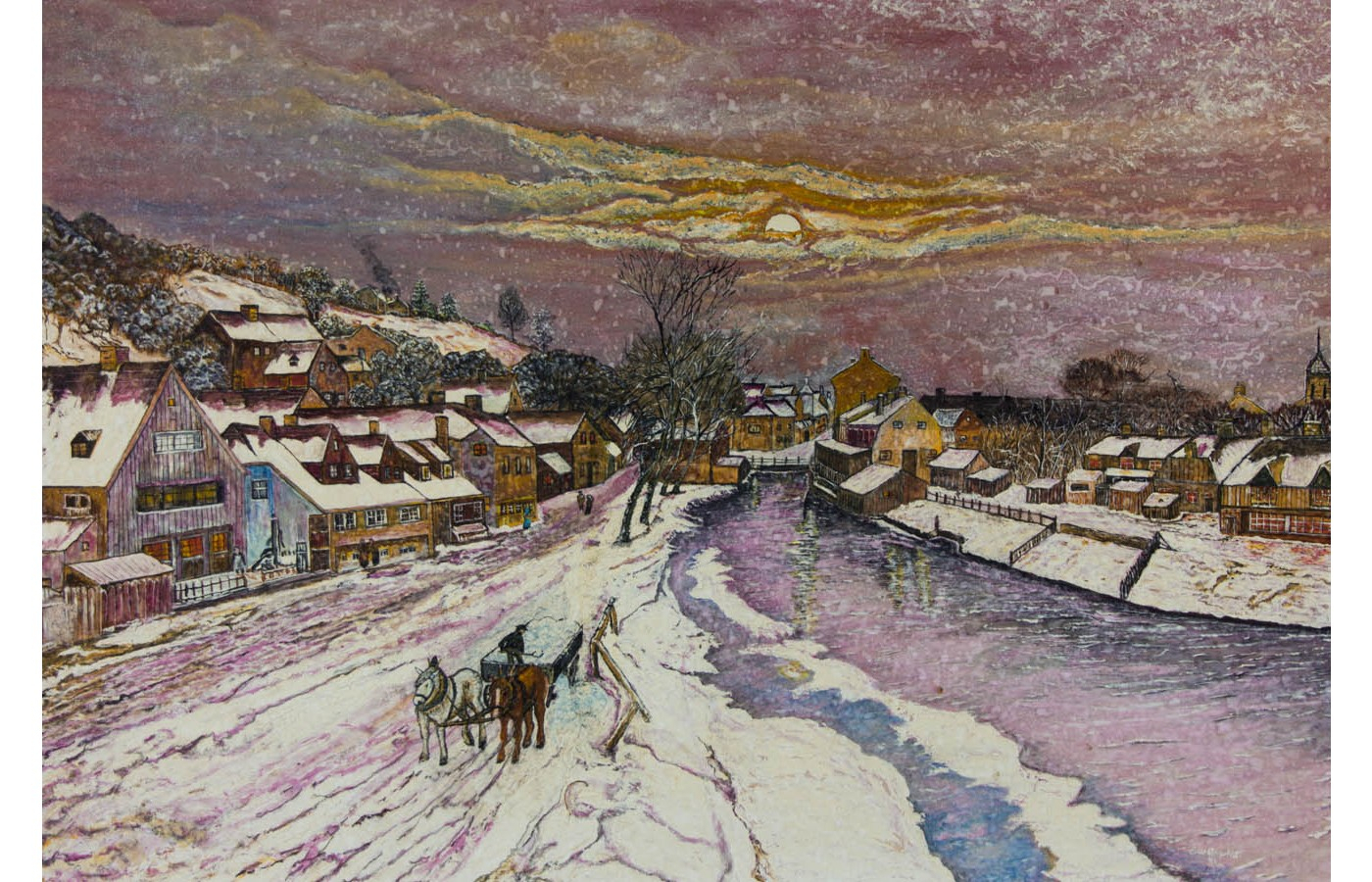
The villagers claimed compensation for the supposed damage done to their crops by the family, as they trailed through privately owned fields on their way to Nettle Island. Monet was forced to pay, on pain of being cut off from his favourite retreat. Later, when he was painting haystacks the peasants threatened to demolish them and when he undertook his series of poplars they took pleasure in telling him that the trees were to be cut down. By paying a sum of money he was able to persuade them not to carry out their threat. Monet began to react to the insidious malevolence with contempt and learned to ignore his neighbors.”
During Lord Alfred Tennyson’s idyllic childhood of Arthurian re-enactment and classical study with his three brothers and four sisters, his mother, one Elizabeth Fytche, the daughter of a clergyman, came under a quite unusual manner of harassment at the Tennyson’s country estate in Somersby in Lincolnshire. As a matter of fact, Tennyson’s father, Rev. George Clayton Tennyson, L.L.D, was the parish rector and something of Renaissance man. Such community standing did not however prevent the ill-mannered from having their odd ways with his wife. According to the biographical sketch of Tennyson that prefaces the book, we learn:
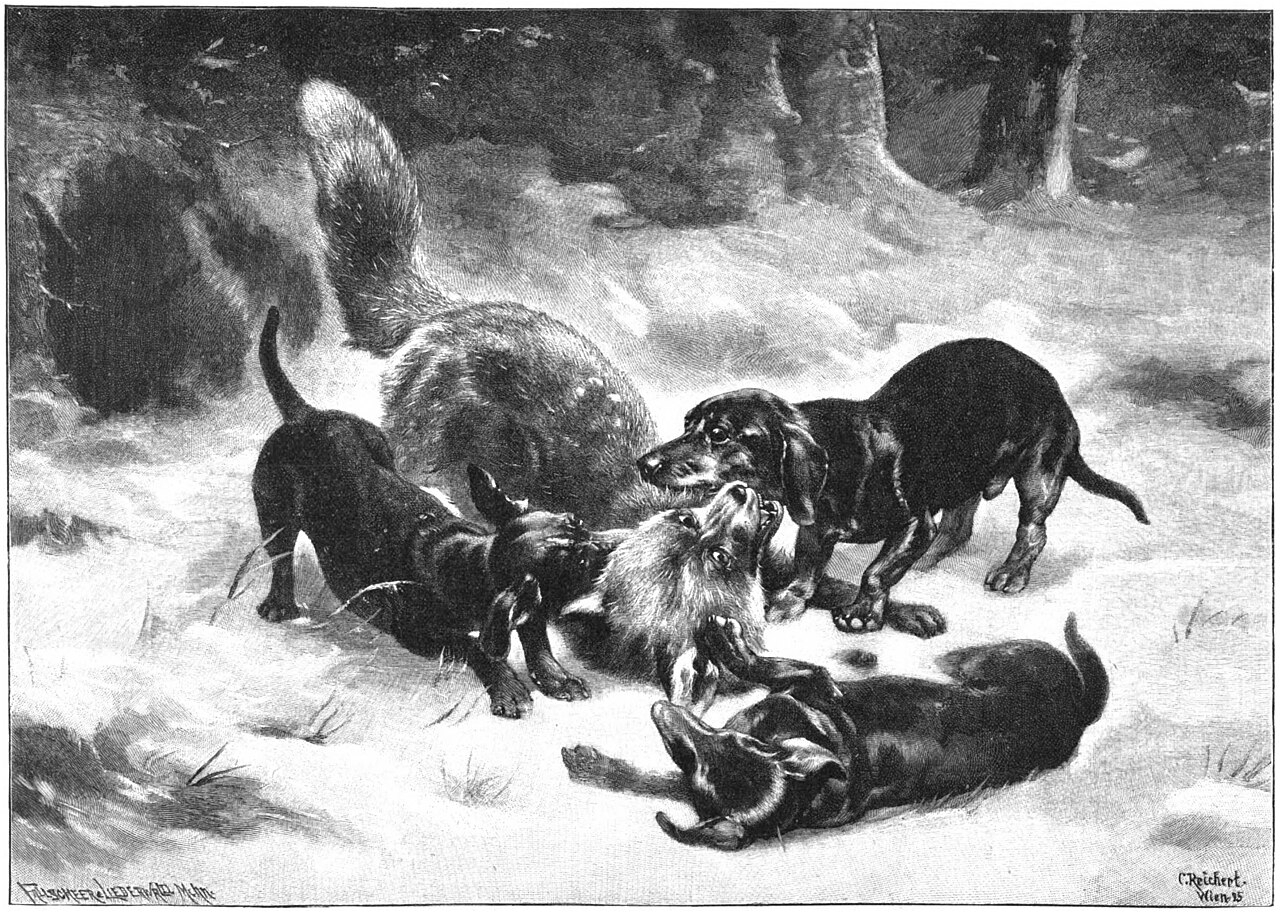
“Mrs. Tennyson was the daughter of a clergyman and was described as a sweet and gentle and imaginative woman, so kind-hearted that it had passed into a proverb, and the wicked inhabitants of a neighboring village used to bring their dogs to her windows and beat them in order to be bribed to leave off by the gentle lady, or to make advantageous bargains by selling her the worthless curs.”