|
|
May 11th, 2021 
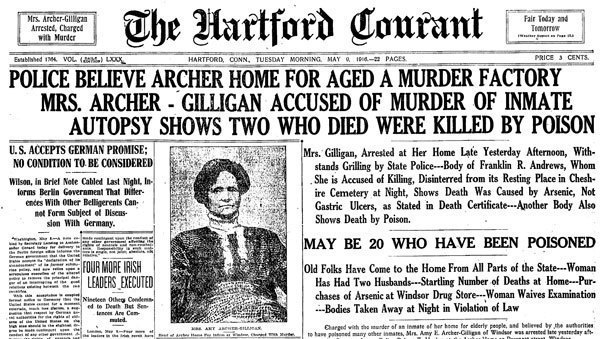
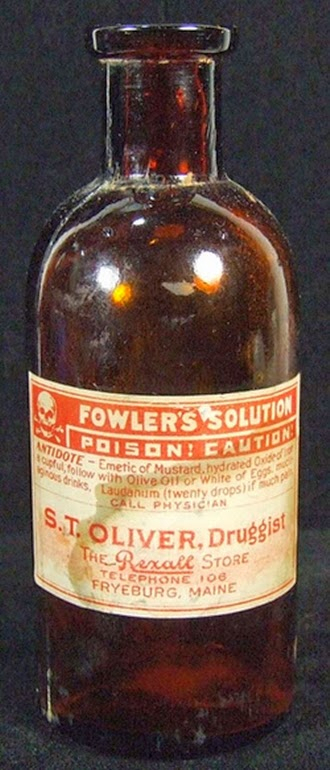
The arsenicals (compounds which contain the heavy metal element arsenic, As) have a long history of use in man – with both benevolent and malevolent intent. The name ‘arsenic’ is derived from the Greek word ‘arsenikon’ which means ‘potent'”. As early as 2000 BC, arsenic trioxide, obtained from smelting copper, was used as a drug and as a poison 2.
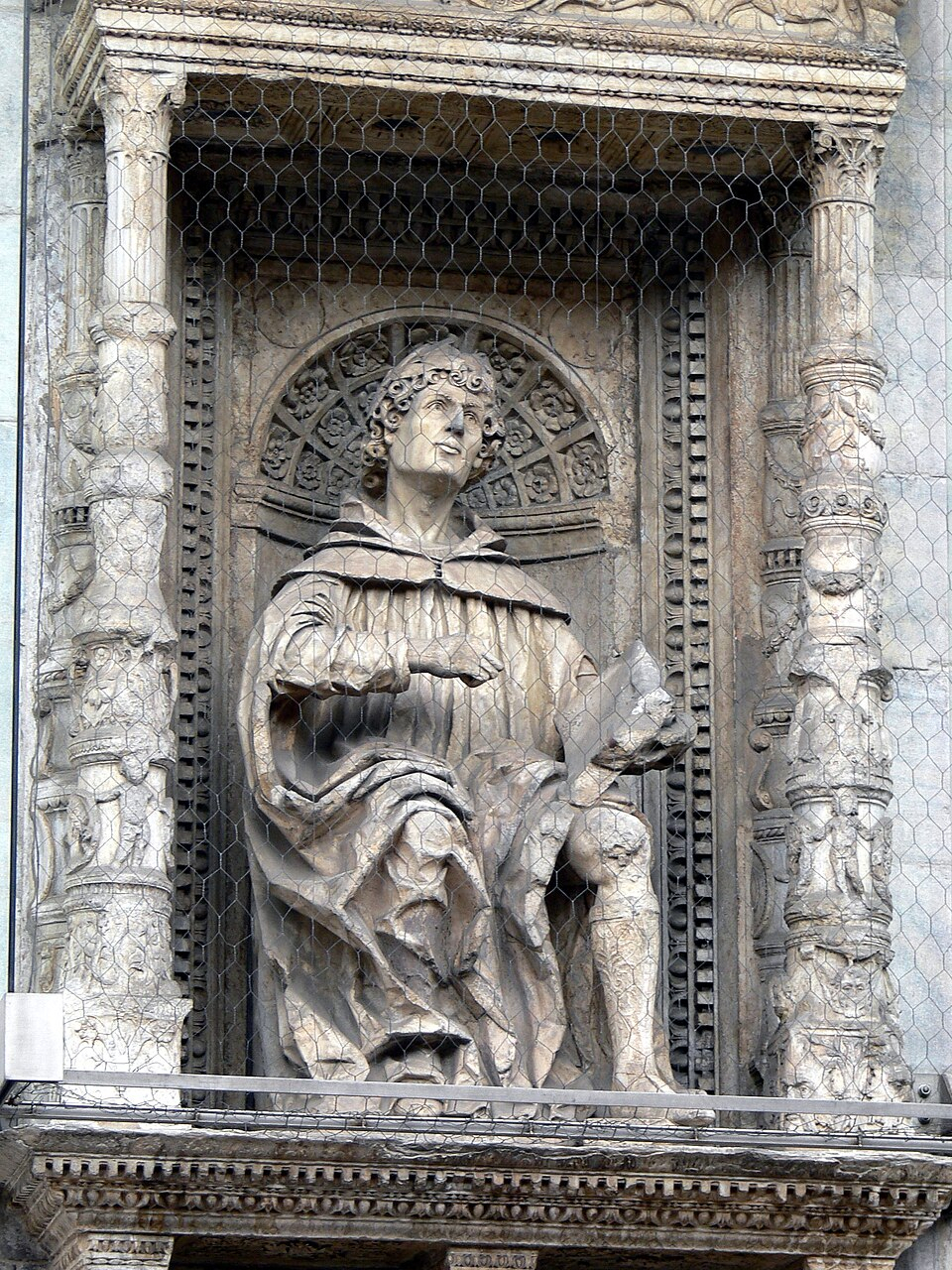
Hippocrates (460 to 377 BC) used orpiment (As2S3) and realgar (As2S2) as escharotics. Aristotle (384 to 322 BC) and Pliny the Elder (23 to 79 AD) also wrote about the medicinal properties of the arsenicals. Galen (130 to 200 AD) recommended a paste of arsenic sulphide for the treatment of ulcers. Paracelsus (1493 to 1541) used elemental arsenic extensively. He is quoted as saying ‘All substances are poisons … The right dose differentiates a poison and a remedy’ – an apt statement for the arsenicals 3. Continue reading A History of the Use of Arsenicals in Man
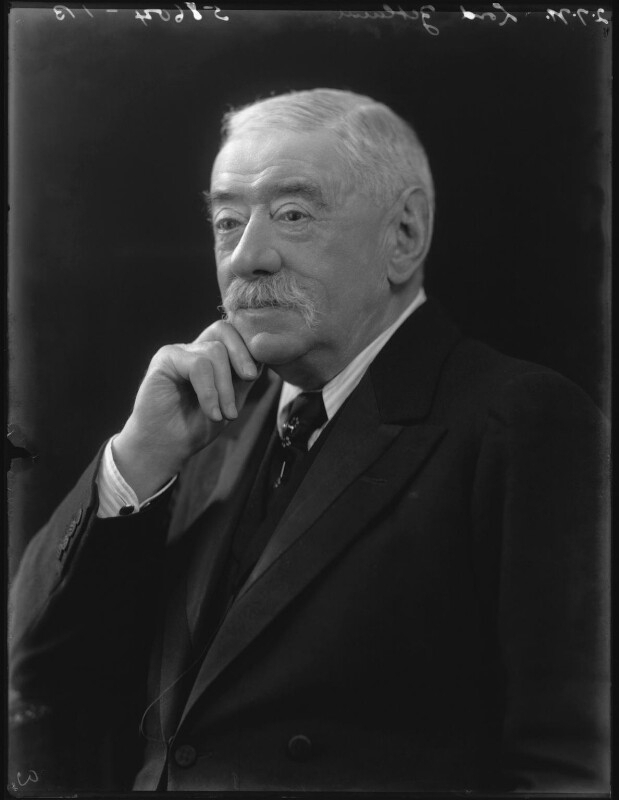
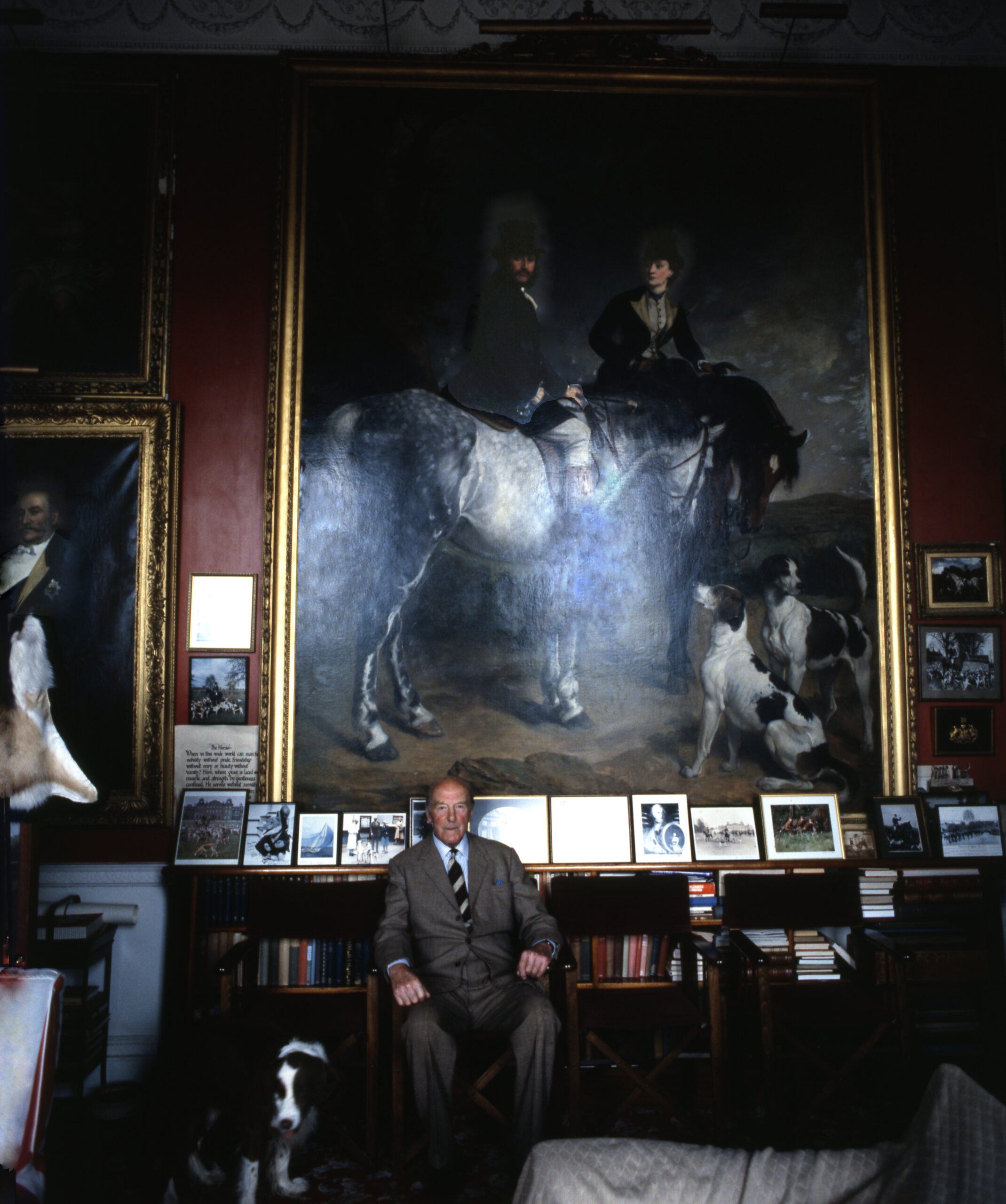
May 9th, 2021  Photo Caption: The Marquis of Zetland, KC, PC – otherwise known as Lawrence Dundas
Son of: John Charles Dundas and: Margaret Matilda Talbot
born: Friday 16 August 1844
died: Monday 11 March 1929 at Aske Hall
Occupation: M.P. for Richmond Viceroy of Ireland
Vice Lord Lieutenant of North Yorkshire
Lord – in – Waiting to Queen Victoria
Lord Lieutenant of Ireland 
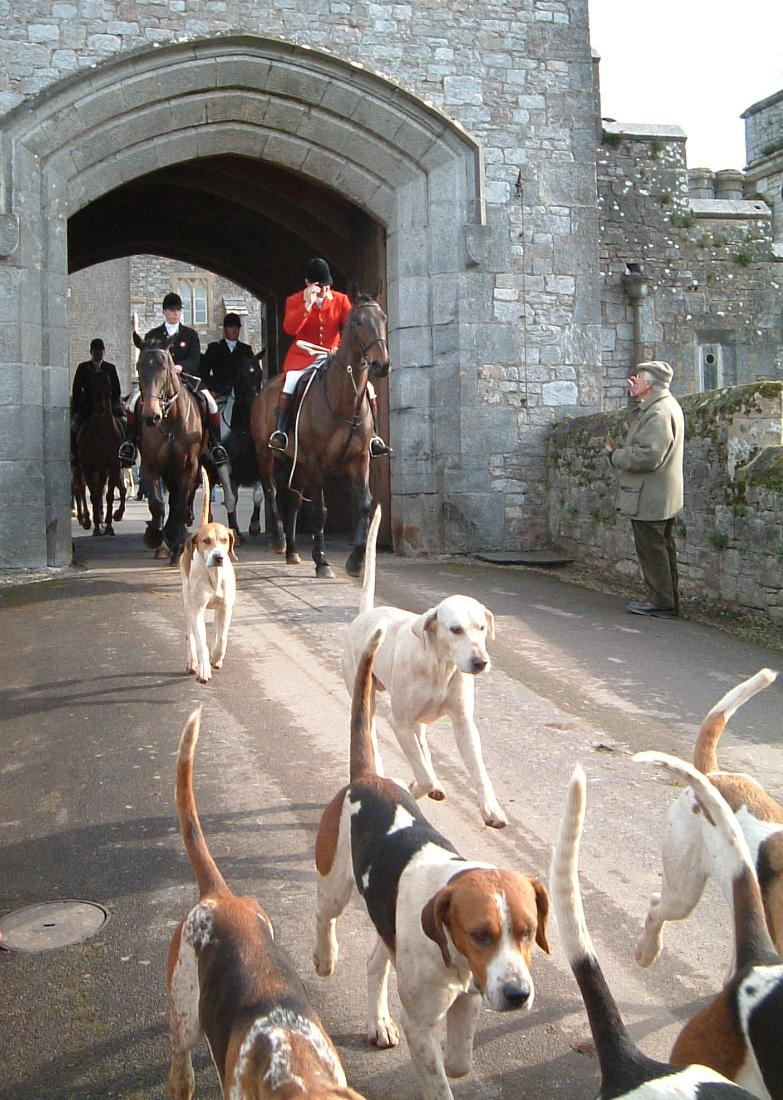
THE MASTER OF HOUNDS
The great masters of antiquity, if we may so style them—Meynell, Beckford, Corbet, Lee Anthone, John Warde, Ralph Lambton, Musters—have been described as paragons of politeness as well as models of keenness. George Osbaldeston hardly possessed the former quality in so marked a degree. Coming to present times, I cite as examples the late Lord Penrhyn, Lords Portman, Lonsdale, and Harrington, and Mr. R. Watson of Carlow, Mr. J. Watson (Meath), Captain Burns- Hartopp, and Captain Forester, eminently successful masters. Last but not least the eighth and present Dukes of Beaufort. Continue reading The Master of Hounds
April 28th, 2021 
Over the years I have observed a decline in manners amongst young men as a general principle and though there is not one particular thing that may be asserted as the causal reason for this, one might speculate…
Self-awareness and being aware of one’s surroundings in social interactions is something worth contemplating should a young man wish to make a goodly and lasting impression with future mother and father-in-laws, potential business clients, educated members of the clergy and perhaps the occasional fixer should one be inclined to take up politics—Caveat; not all fixers are especially socially adept, what?
Rather than bore the pants off the young man who perchance stumbles blindly into this article, let’s just get down to it and present a few dos and dont’s thus cutting to the proverbial chase.
A Few Don’ts, Never’s and God-forbids: (From personally observed behaviours of a few slobs, sloths, and whatchamacallems.)
- Never set a drink on a polished piano, grand or otherwise, without a coaster suitable to the task.
- God-forbid one does not understand that one may substitute the word fine-furniture for piano in the above sentence.
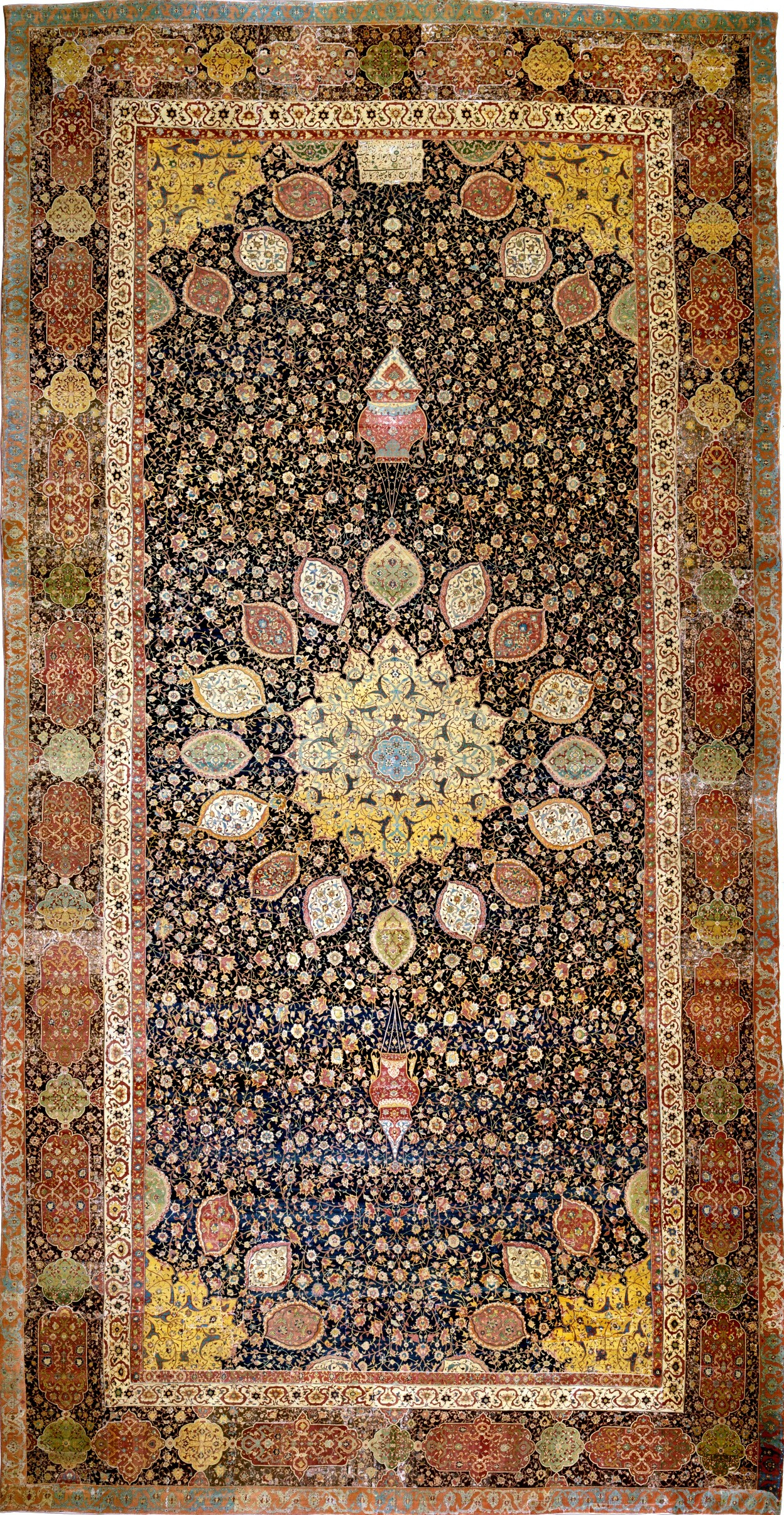
- Don’t tread on a fine looking Persian rug without first ascertaining from its owner do they prefer shoes be removed.
- Never sit on a sofa cushion unless one is willing to cough up the dough needed to repair the rip in the $500 per yard fabric should one’s hefty derriere bust the seams. Gently pick up the cushion and set it aside in a caring manner prior to planting one’s arse and only if one has been invited to take a seat in the first place.
- Never should one prop their feet up after taking a seat…not on a coffee table, foot cushion or other furnishing unless invited to do so by the clear and present owner of said furniture.
- God-forbid one does not turn one’s phone off prior to entering the abode of the host, one should never remove it from one’s pocket, and never enter an abode with it visible unless one is a medical doctor on emergency call duty and has clearly established this protocol with the host prior to the visit. The best thing to do is leave the phone in one’s car prior to the visit.
- One should never talk more than one’s host. One of the least enforced linguistic skills amongst the new millennium’s children is turn-taking. Let it be known that I do actually know a few sixty year olds that have never fully assimilated said skill. If one does not understand this point, I suggest one look it up. Never attempt to change the topic of conversation of the host unless one is a life-long acquaintance of the host well-versed in the other’s idiosyncrasies and personality traits— Otherwise, a duel might well ensue….
More later….as I quickly become bored with ill-mannered dandies….
May 7th, 2021 
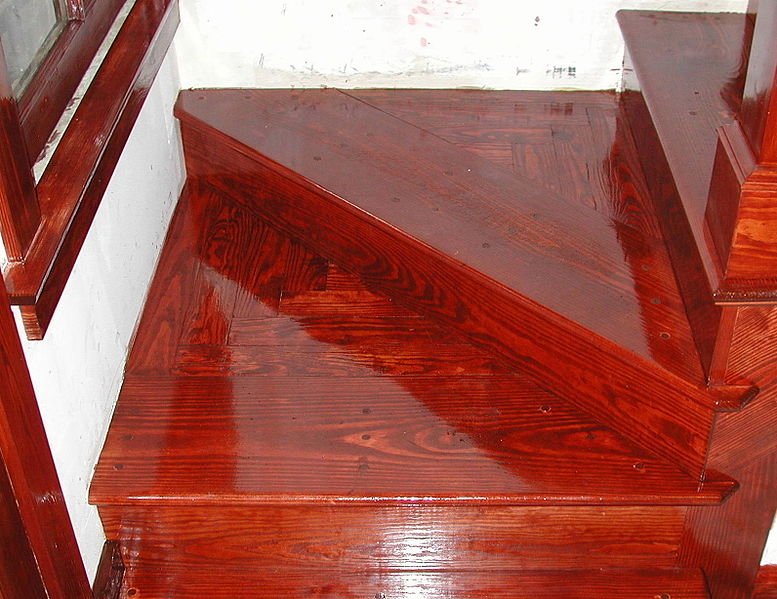
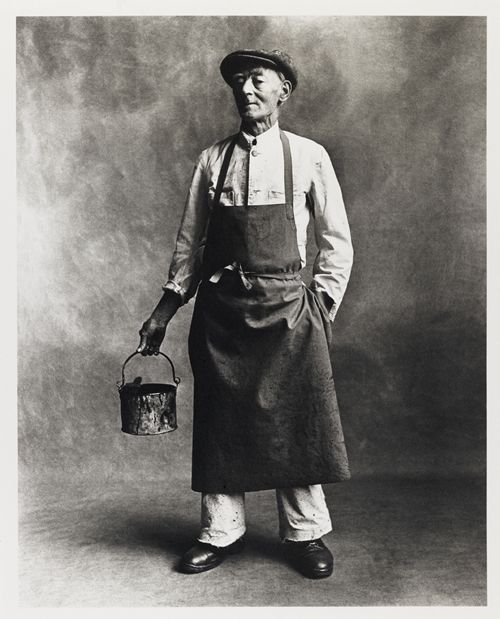
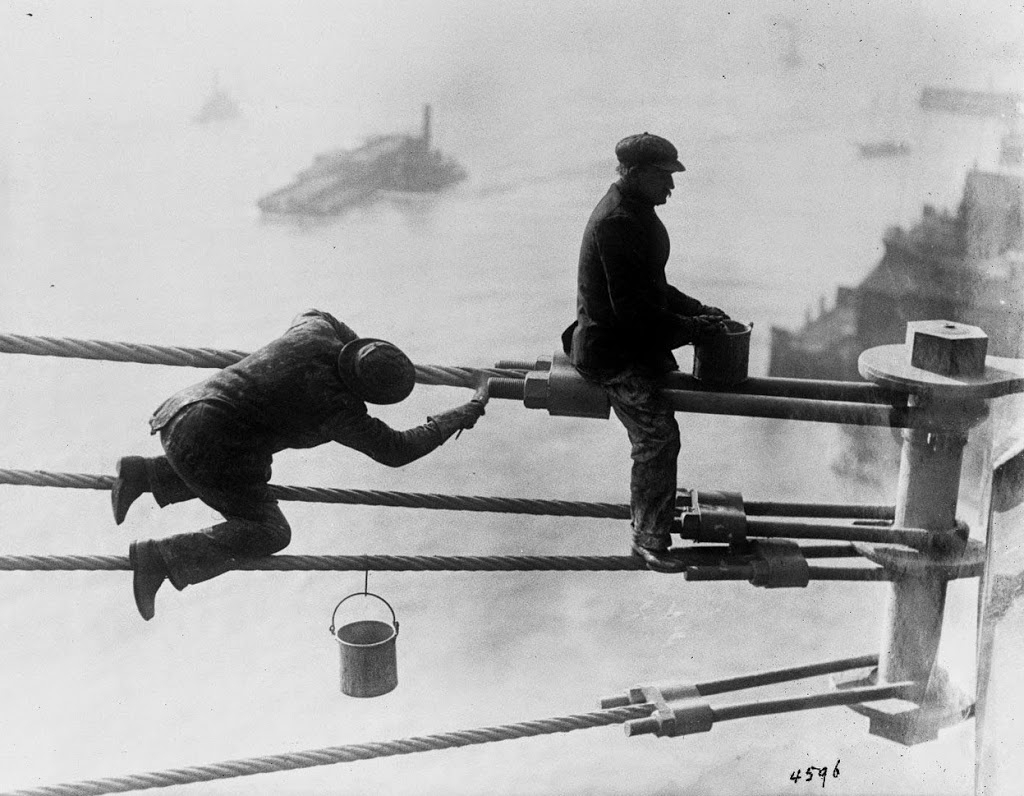
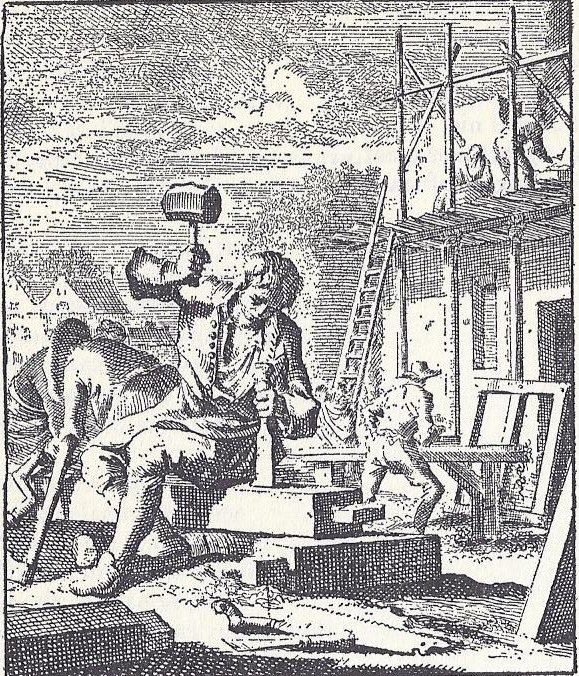
PAINTER-WORK, in the building trade. When work is painted one or both of two distinct ends is achieved, namely the preservation and the coloration of the material painted. The compounds used for painting—taking the word as meaning a thin protective or decorative coat—are very numerous, including oil-paint of many kinds, distemper, whitewash, tar; but the word ” paint ” is usually confined to a mixture of oil and pigment, together with other materials which possess properties necessary to enable the paint to dry hard and opaque. Oil paints are made up of four parts—the base, the vehicle, the solvent and the driers. Pigment may be added to these to obtain a paint of any desired colour. Continue reading The Basics of Painting in the Building Trade
May 7th, 2021 
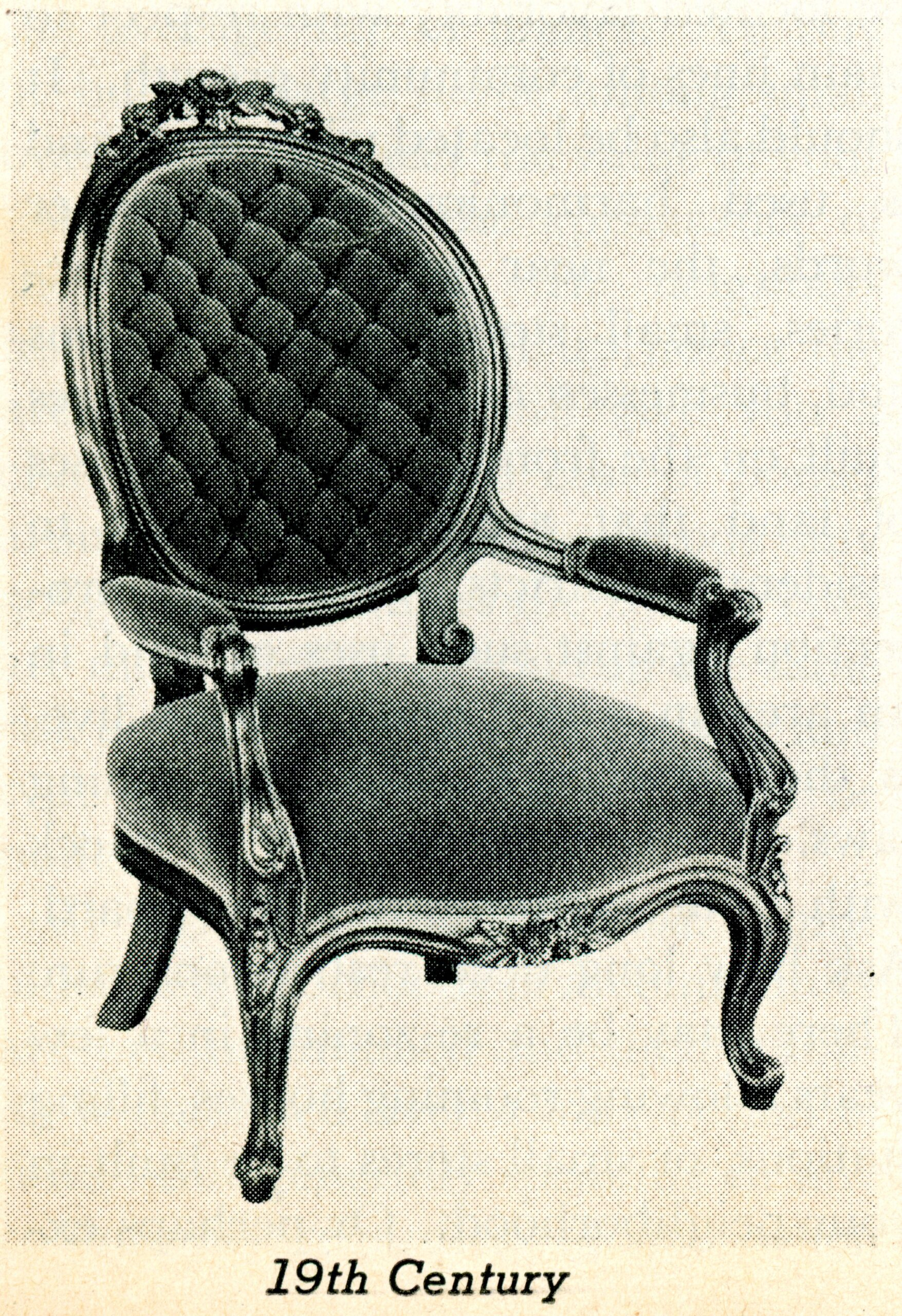
IT requires a far search to gather up examples of furniture really representative in this kind, and thus to gain a point of view for a prospect into the more ideal where furniture no longer is bought to look expensively useless in a boudoir, but serves everyday and commonplace need, such as must always be the wont, where most men work, and exchange in some sort life for life. Continue reading Carpenters’ Furniture
May 7th, 2021 
DECORATED or “sumptuous” furniture is not merely furniture that is expensive to buy, but that which has been elaborated with much thought, knowledge, and skill. Such furniture cannot be cheap, certainly, but the real cost of it is sometimes borne by the artist who produces rather than by the man who may happen to buy it. Furniture on which valuable labour is bestowed may consist of—1. Large standing objects which, though actually movable, are practically fixtures, such as cabinets, presses, sideboards of various kinds; monumental objects. 2. Chairs, tables of convenient shapes, stands for lights and other purposes, coffers, caskets, mirror and picture frames. 3. Numberless small convenient utensils. Here we can but notice class 1, the large standing objects which most absorb the energies of artists of every degree and order in their construction or decoration. Continue reading Of Decorated Furniture
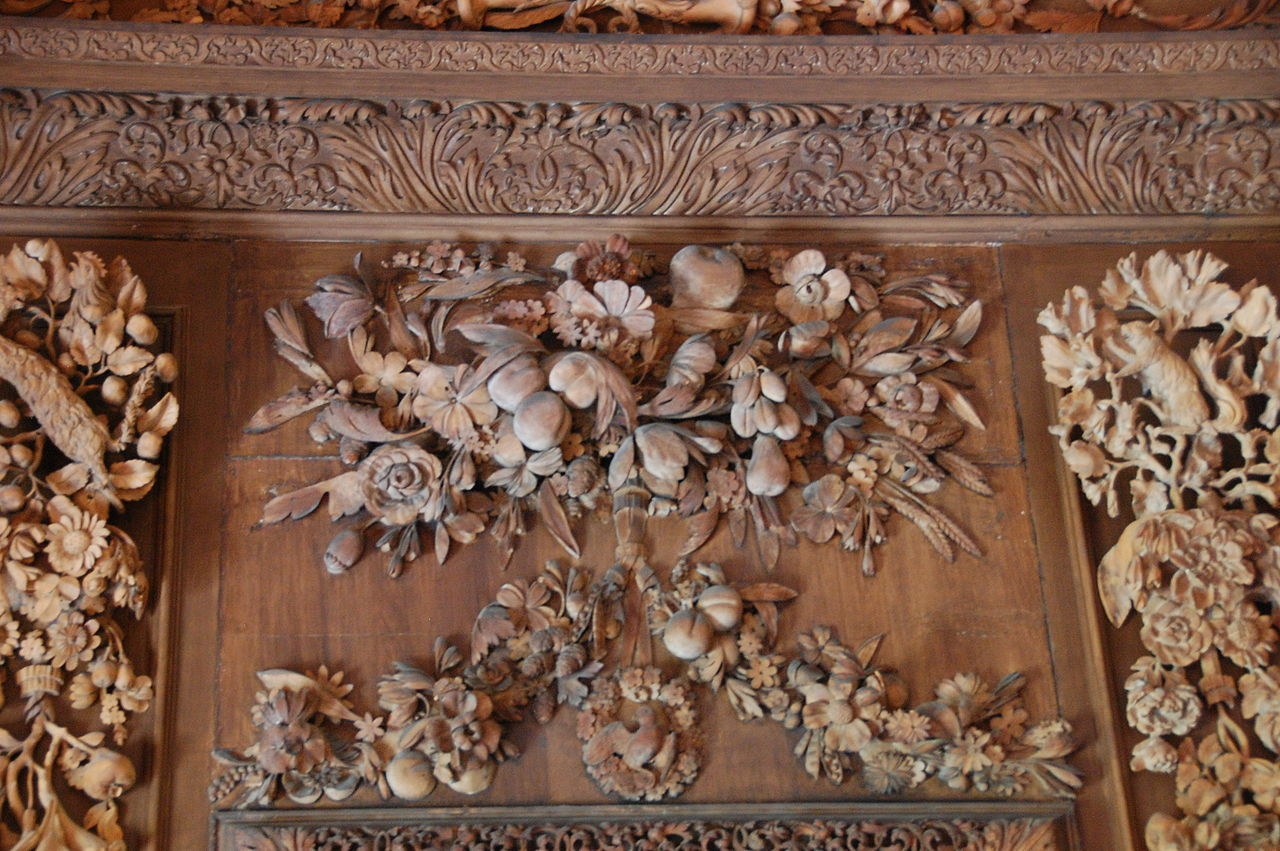
May 7th, 2021  Petworth House – Carving by Grinling Gibbons THE sense of a consecutive tradition has so completely faded out of English art that it has become difficult to realise the meaning of tradition, or the possibility of its ever again reviving; and this state of things is not improved by the fact that it is due to uncertainty of purpose, and not to any burning fever of individualism. Tradition in art is a matter of environment, of intellectual atmosphere. As the result of many generations of work along one continuous line, there has accumulated a certain amount of ability in design and manual dexterity, certain ideas are in the air, certain ways of doing things come to be recognised as the right ways. To all this endowment an artist born in any of the living ages of art succeeded as a matter of course, and it is the absence of this inherited knowledge that places the modern craftsman under exceptional disabilities. Continue reading The English Tradition of Woodworking
May 7th, 2021

THE transient tenure that most of us have in our dwellings, and the absorbing nature of the struggle that most of us have to make to win the necessary provisions of life, prevent our encouraging the manufacture of well-wrought furniture.
We mean to outgrow our houses—our lease expires after so many years and then we shall want an entirely different class of furniture; consequently we purchase articles that have only sufficient life in them to last the brief period of our occupation, and are content to abide by the want of appropriateness or beauty, in the clear intention of some day surrounding ourselves with objects that shall be joys to us for the remainder of our life. Another deterrent condition to making a serious outlay in furniture is the instability of fashion: each decade sees a new style, and the furniture that we have acquired in the exercise of our experienced taste will in all probability be discarded by the impetuous purism of the succeeding generation. Continue reading Of the Room and Furniture
February 18th, 2021 
Baking is a very similar process to roasting: the two often do duty for one another. As in all other methods of cookery, the surrounding air may be several degrees hotter than boiling water, but the food is no appreciably hotter until it has lost water by evaporation, after which it may readily burn. The hot air of the oven is greedy of water, and evaporation is great, so that ordinary baking (i.e. just shutting the food into a hot-air chamber) is not suited for anything that needs moist heat. Continue reading Mrs. Beaton’s Poultry & Game – Cooking Poultry; Baking and Boiling
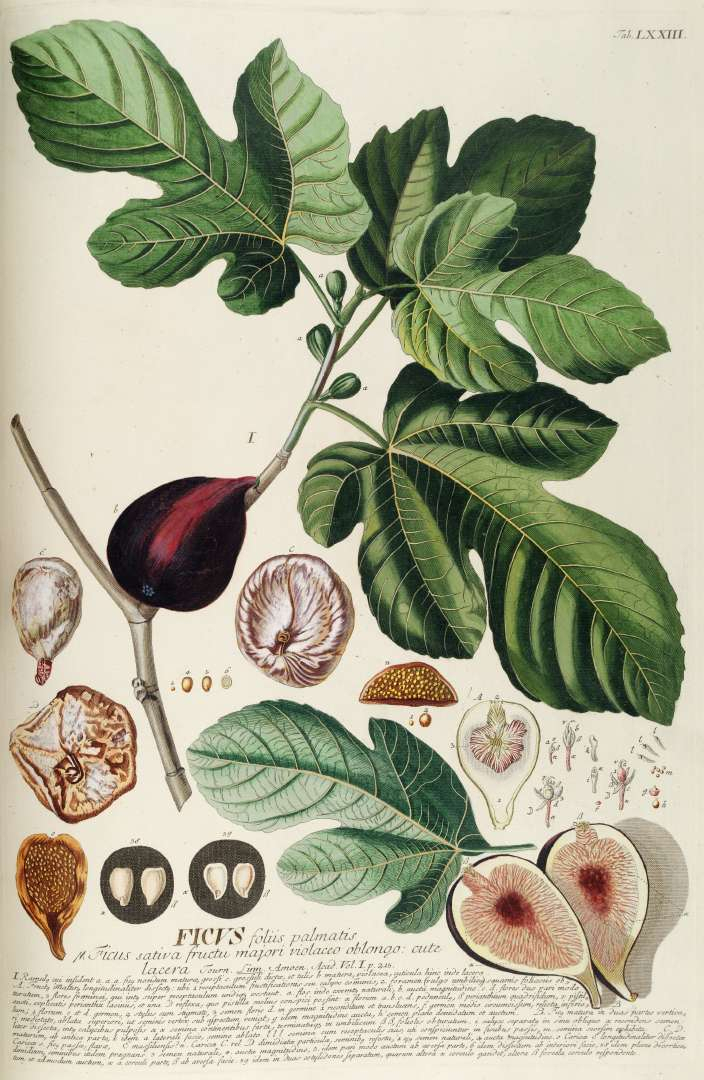
May 10th, 2021  World Intellectual Property Organization (WIPO) and International Union for the Protection of New Varieties of Plants (UPOV) Headquarters (the Árpád Bogsch Building also known as the Main Building) in Geneva, Switzerland UNITED STATES PLANT VARIETY PROTECTION ACT
TITLE I – PLANT VARIETY PROTECTION OFFICE
Chapter Section
1. Organization and Publications . 1
2. Legal Provisions as to the Plant Variety Protection Office . 21
3. Plant Variety Protection Fees . 31
CHAPTER 1.-ORGANIZATION AND PUBLICATIONS
Section 1. Establishment.2
There is hereby established in the Department of Agriculture an office to be known as the Plant Variety Protection Office, which shall have the functions set forth in this Act. (7 U.S.C. 2321.)
Sec. 2. Seal.
The Plant Variety Protection Office shall have a seal with which documents and certificates evidencing plant variety protection shall be authenticated. (7 U.S.C. 2322.) Continue reading U.S. Plant Variety Protection Act – Full Text
February 15th, 2021  St. Valentine kneeling in supplication – 1677 by David Teniers III httpv://youtu.be/fNFvcQnvx-k
There is nothing more delightful than a great poetry reading to warm ones heart on a cold winter night fireside. Today is one of the coldest Valentine’s days on record, thus, nothing could be better than listening to the resonant voice of Robin Shuckbrugh, The Cotswold Explorer , read classic love poetry to set the mood for a cozy evening with that special person.
Mr. Shuckbrugh is the presenter and one of the three creative minds behind the Youtube channel The Costwold Explorer, a most entertaining documentary series that brings the Cotswold area of the UK to life.
February 15th, 2021 
From Fores’s Sporting Notes and Sketches, A Quarterly Magazine Descriptive of British, Indian, Colonial, and Foreign Sport with Thirty Two Full Page Illustrations Volume 10 1893, London; Mssrs. Fores Piccadilly W. 1893, All Rights Reserved.
GLIMPSES OF THE CHASE,
Ireland a Hundred Years Ago.
By ‘Triviator.’
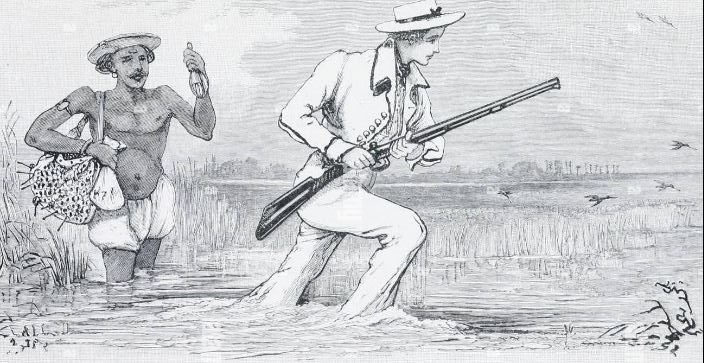
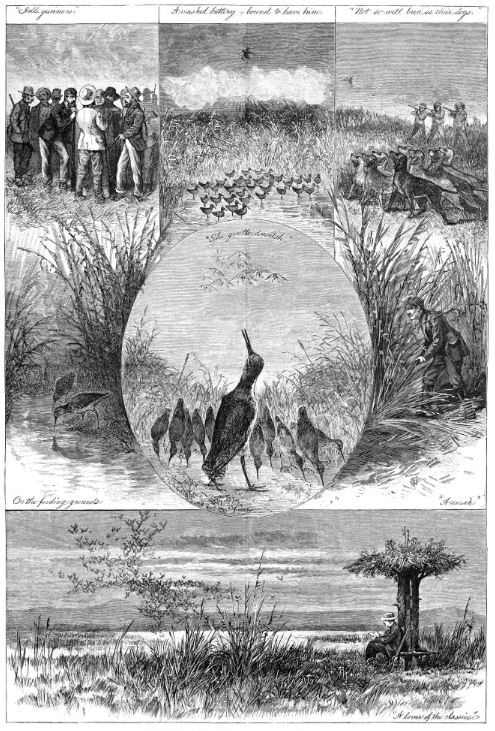
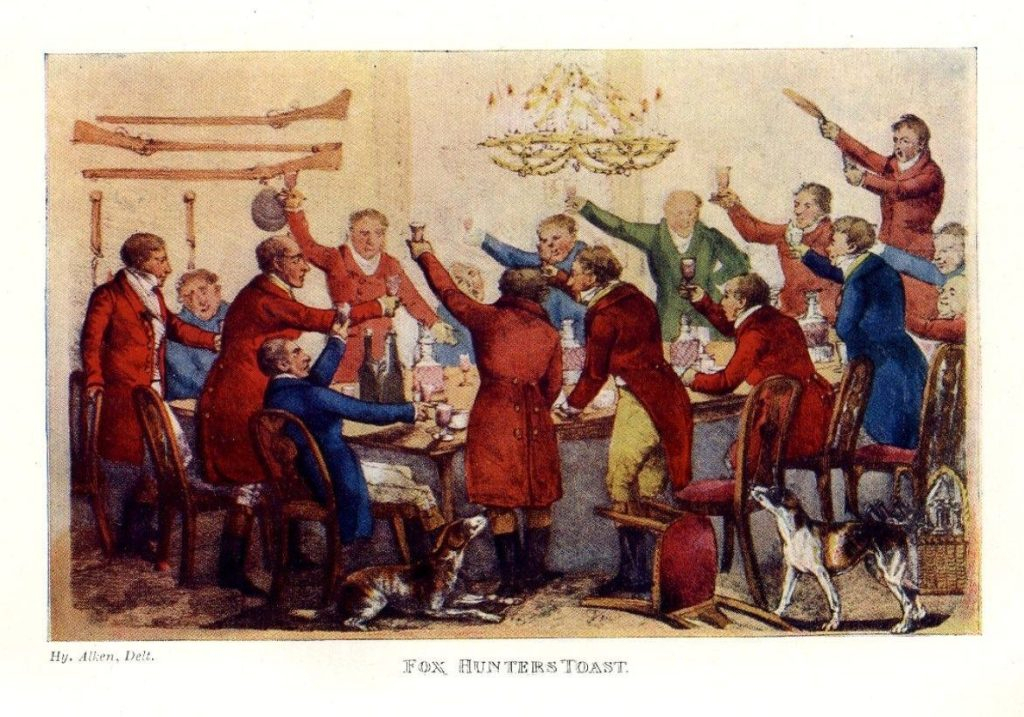
FOX-HUNTING has, like Racing, Shooting, and even Dancing, had its phases and fashions ever since it became a National sport, and we may be pretty sure that though we of the guild and fraternity of fin desiecle fox-hunters make it our boast that as the ‘ heirs of all the ages ‘ we have brought the royal sport to the acme of perfection, every contemporary phase was the best adapted to the manners, customs, and requirements of the period ; and that, grotesque and absurd as some of the practices of our forbears appear to us now, many of our improvements and requirements and sublimations of sport would afford them in turn many a hearty laugh. After all, if sport be the desideratum, whatever makes for that end in the opinion of its votaries, must be deemed successful, and if real war—of which, according to Somerville and his pupil John Jorrocks, Fox-hunting is the image—was a comparatively innocuous affair in the sixteenth, seventeenth, and eighteenth centuries, when contrasted with the deadly issues of modern scientific slaughter, it attained its aim as effectually as the present system, though more slowly and tentatively. Continue reading Glimpses from the Chase
May 8th, 2021 
As reported in the The Colac Herald on Friday July 17, 1903 Pg. 8 under Art Appreciation as a reprint from the Westminster Gazette
ART APPRECIATION IN THE COMMONS.
The appreciation of art as well as of history which is entertained by the average member of the House of Commons was effectively gauged by the titter which greeted the suggestion that some thing specially derogatory to the statue of Mr Bright had been done by its being “shoved into a corner” near the bust of the Lord Protector Oliver. Mr Bruce Joy would scarcely claim to be a Bernini, and that great Italian sculptor, if he could revisit the glimpses of the moon, would assuredly be impressed by the vicissitudes of his portrait bust of two successive rulers of this country, Charles I and Oliver Cromwell. Concerning the former, a singular story used to be told, to the effect that Van Dyck, having drawn the Stuart King in profile, three quarters and full face, sent the result to Rome for Bernini to make a therefrom.

Complaint being subsequently heard that the sculptor was unduly long over the work, he replied that he had engaged himself on it several times. but something in the features always shocked him as indicating that the person represented was destined to a violent end. This portent was renewed when the bust at last arrived in England, as, while the King and his courtiers were examining it in the Royal garden, a hawk flew over their heads with a wounded partridge in its claws, some of the blood from which fell upon the bust’s neck, whence it was not removed; and when it was ultimately placed in the Palace of White hall, the edifice was destroyed by fire. Happily, the Bernini bust of Cromwell—one of the finest portrait busts the nation possesses—has been preserved; and no gibe can lessen either the beauty of the work or the significance of its being permanently placed within the palace of Westminster. Westminster Gazette
May 9th, 2021  httpv://youtu.be/Cp-bBxDoeI4 httpv://youtu.be/Cp-bBxDoeI4
May 8th, 2021 
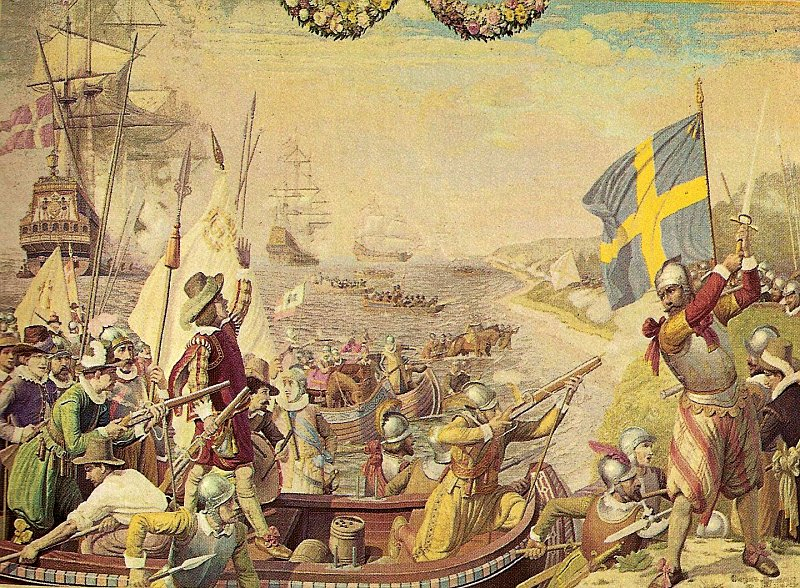
The Kalmar War
From The Historian’s History of the World (In 25 Volumes) by Henry Smith William L.L.D. – Vol. XVI.(Scandinavia) Pg. 308-310
The northern part of the Scandinavian peninsula, as already noticed, had been peopled from the remotest times by nomadic tribes called Finns or Cwenas by the Norwegians and Lapps by the Swedes, from which their territory derived the name of Lapland. These aboriginal inhabitants retained their primitive manners, language, and religion, unaffected by the progress of Christianity in the North. No definite boundary separated the adjacent kingdoms of Sweden and Norway from the dreary wilderness occupied by their less civilised neighbours who subsisted by hunting and fishing. The progress of conquest had gradually pressed them nearer to the borders of the arctic circle, but still even under the Union of Kalmar their territorial limits remained undefined. Continue reading The Kalmar War
May 8th, 2021 
httpv://youtu.be/RBm1R87a-BA
May 8th, 2021 
httpv://youtu.be/CMc1SMSLyXQ
May 8th, 2021 
From Wikipedia:
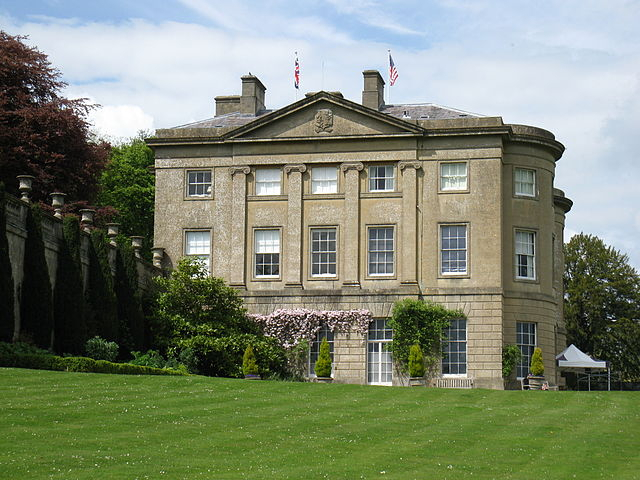
Stoke Park – the original house
Stoke park was the first English country house to display a Palladian plan: a central house with balancing pavilions linked by colonnades or screen walls. Palladio was the 16th-century Italian architect on whose work the design was based. The Paladian style became a standard type of country house construction in 18th century England under Lord Burlington. However, 80 years earlier Stoke Park in Northamptonshire was the first example, believed to have been constructed by Inigo Jones. The house ca.1700 is pictured in Colen Campbell’s (sic) Vitruvius Britannicus (meaning British Architect).
Charles I granted the park and Manor House to Sir Francis Crane, director and founder of the Mortlake Tapestry Works established on the estate of John Dee, the mathematician, at Mortlake, in 1619, later the site of the Queen’s Head pub. Crane was made Secretary to Charles I when he was Prince of Wales and was knighted in 1617. With grants of land, money and high prices charged for tapestries, Crane became very wealthy. He was granted ca.400 acres of Stoke Bruerne in 1629.
Crane brought the design of the house from Italy and had assistance from Inigo Jones to build it.
May 8th, 2021 
httpv://youtu.be/LpTgkxTd9WU
August 9th, 2020 
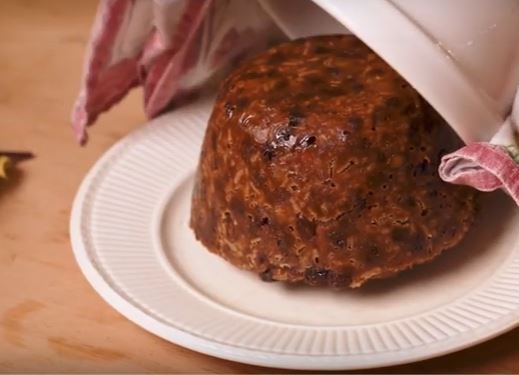
Traditional British Christmas Pudding Recipe by Pen Vogler from the Charles Dickens Museum
Ingredients
- 85 grams all purpose flour
- pinch of salt
- 170 grams Beef Suet
- 140 grams brown sugar
- tsp. mixed spice, allspice, cinnamon, cloves, &c
- 170 grams bread crumbs
- 170 grams raisins
- 170 grams currants
- 55 grams cut mixed peel
- Gram to Cup conversion tables.
Method
Mix together well, add 1 medium grated apple, mix again, beat three eggs plus 140ml brandy, add to dry mixture, stir together well.
Grease pudding basin with butter, cut a small piece of grease proof paper to cover bottom, pack in pudding, cover with parchment another round of grease proof paper, cover with large squares grease proof paper and tin foil, tie up tightly with string and make string handle to prevent water from invading pudding. Set on saucer in large covered pan, water half way up pudding basin and boil for 3 ½ hours.
httpv://youtu.be/-QvVDy9z6Nk
To learn more about Mrs. Vogler and her cooking adventures, click here.
Click here to purchase a copy of Christmas with Dickens by Pen Vogler.
May 8th, 2021 
httpv://youtu.be/GkGBP36M8YI
August 9th, 2020 
Country House Christmas Pudding
Ingredients
- 1 cup Christian Bros Brandy
- ½ cup Myer’s Dark Rum
- ½ cup Jim Beam Whiskey
- 1 cup currants
- 1 cup sultana raisins
- 1 cup pitted prunes finely chopped
- 1 med. apple peeled and grated
- ½ cup chopped dried apricots
- ½ cup candied orange peel finely chopped
- 1 ¼ cup all purpose flour
- 1 teaspoon baking powder
- 2 cups fresh breadcrumbs (freshly baked bread is best)
- 1 cup Crisco vegetable shortening(freeze and grate)
- ½ cup dark brown sugar
- ¼ cup black strap molasses
- ¼ cup honey
- 1 teaspoon ground cinnamon
- ¼ teaspoon ground cloves
- grated zest of 1 lemon
- grated zest of 1 orange plus juice
- 3 large eggs
Method
- Soak all fruit in Brandy for a week.
- In a large mixing bowl, combine brandied fruit with remaining ingredients, add cup of dark rum.
- Mold and steam for 3 ½ hours.
- Remove pudding, poke holes in top with fork, pour over Jim Beam Whiskey, cover tightly in parchment paper and foil, serve when ready. Will last up to six months in refrigeration.
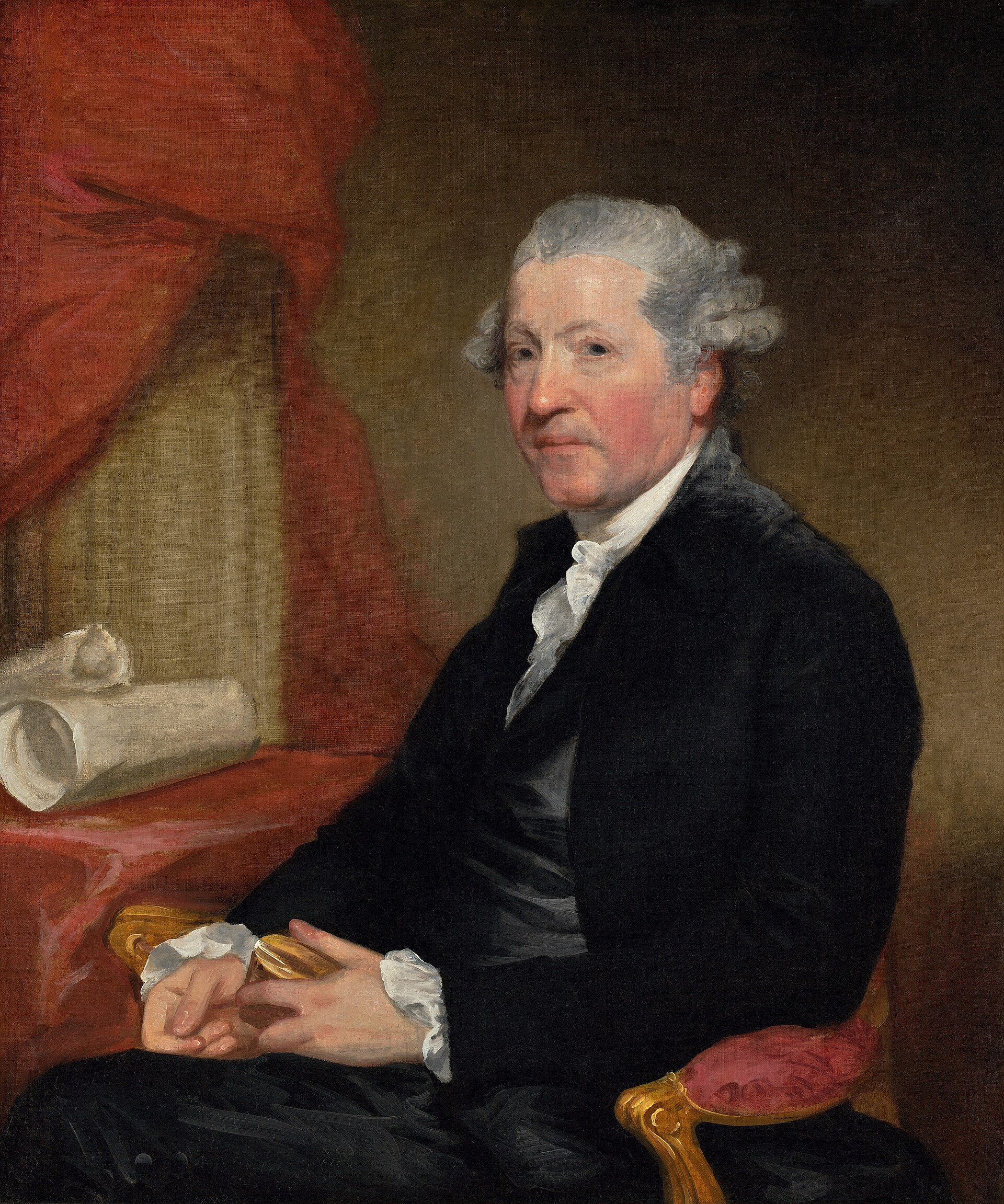
August 8th, 2020  Equestrian Portrait of Charles V by Titian – 1548 “The Leda, in the Colonna palace, by Correggio, is dead-coloured white and black, with ultramarine in the shadow ; and over that is scumbled, thinly and smooth, a warmer tint,—I believe caput mortuum. The lights are mellow ; the shadows blueish, but mellow. The picture is painted on panel, in a broad and large manner, but finished like enamel : the shadows harmonize, and are lost in the ground. Continue reading Sir Joshua Reynolds – Notes from Rome
May 10th, 2021 
BOOKS CONDEMNED
TO BE BURNT.
By
JAMES ANSON FARRER,

LONDON
ELLIOT STOCK, 62, PATERNOSTER ROW
1892
———-
WHEN did books first come to be burnt in England by the common hangman, and what was the last book to be so treated? This is the sort of question that occurs to a rational curiosity, but it is just this sort of question to which it is often most difficult to find an answer. Historians are generally too engrossed with the details of battles, all as drearily similar to one another as scenes of murder and rapine must of necessity be, to spare a glance for the far brighter and more instructive field of the mutations or of the progress of manners. The following work is an attempt to supply the deficiency on this particular subject. Continue reading Books Condemned to be Burnt
|
|
|










![50 Watt 4 Stage Hi-Fidelity Power Amplifier Circuit and Parts List [The Basic Schematic of Most Low Cost Tube Guitar Amps Made Today]](https://countryhouseessays.com/wp-content/uploads/2026/02/5R4GYB-Tube.gif)