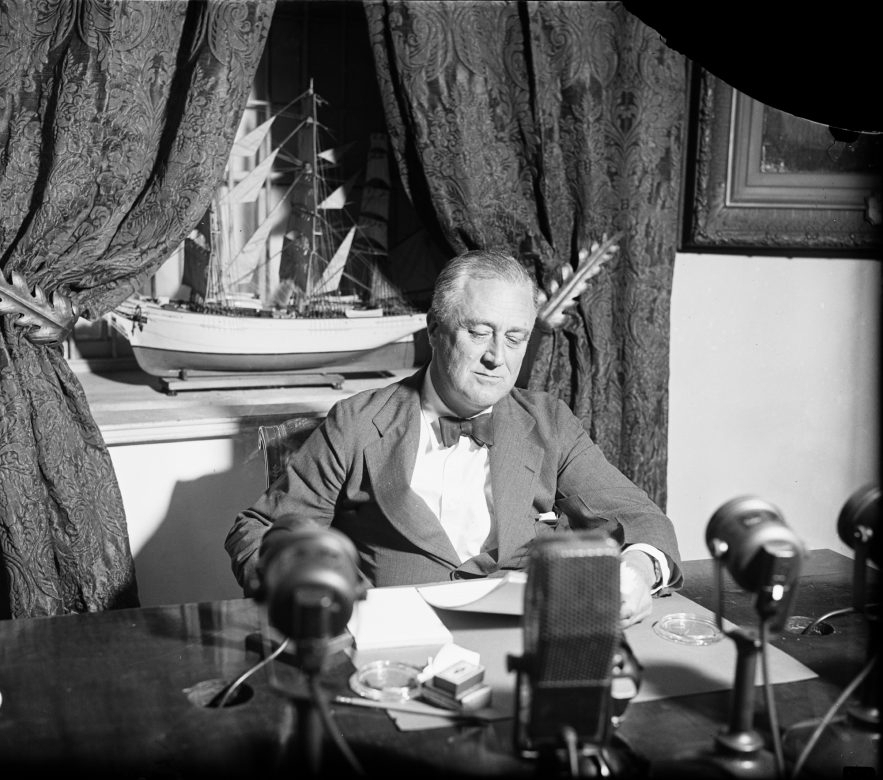
The downloadable audio clip is of FDR’s Second Fireside Chat recorded on May 7th, 1933.
The transcript that follows is my corrected version of the transcript that is found The American Presidency Project website that was created by Gerhard Peters and Professor John T. Woolley of the University of California, Santa Barbara Political Science Department.
I am not sure why the available transcription and seemingly most other transcriptions of FDR’s Second Fireside Speech are so poor other than perhaps the transcriptions are copies of the written speech rather true transcriptions of the delivered and recorded speech. Continue reading An Accurate Translation of FDR’s Second Fireside Chat
Tucked into all corners of the large stately farm house
Loquacious aunts, uncles of letters, adventure and public house,
Grandmother wrapped in wool, grandfather’s pipe
Gas fired ceramic tiled fireplaces, a Christmas delight
Glowing red ember warming through the night Continue reading The Warmth of a Country Christmas
We opened the doors on the old Dodge van
parked under the big oak tree
the old farm house etched with memory
ropes hanging down and an old plank swing
She kicked her bare feet playfully in the dirt
and then soared to the sky
Looking out over Illinois corn fields
full in growth, glorious acres of green and gold
laden with the best crop in years
The pioneer cassette deck
laid back tunes,
CCR, The Band, Seger, Canned Heat, The Outlaws
Night Moves slowed the swing down
A blanket in tall grass, a cooler of ice cold beer
chilled to perfection
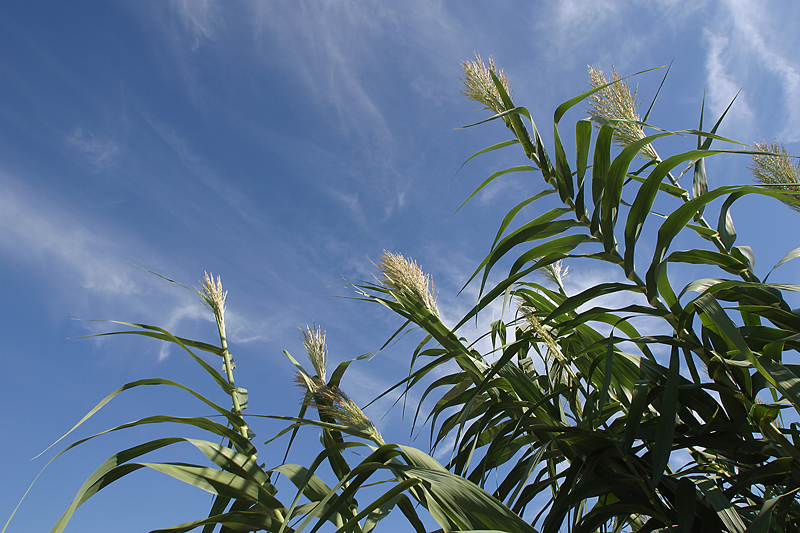
grass of different colors move the clouds
breezy wisps sailing gracefully across azure blue sky
It was beautiful, Indian Summer
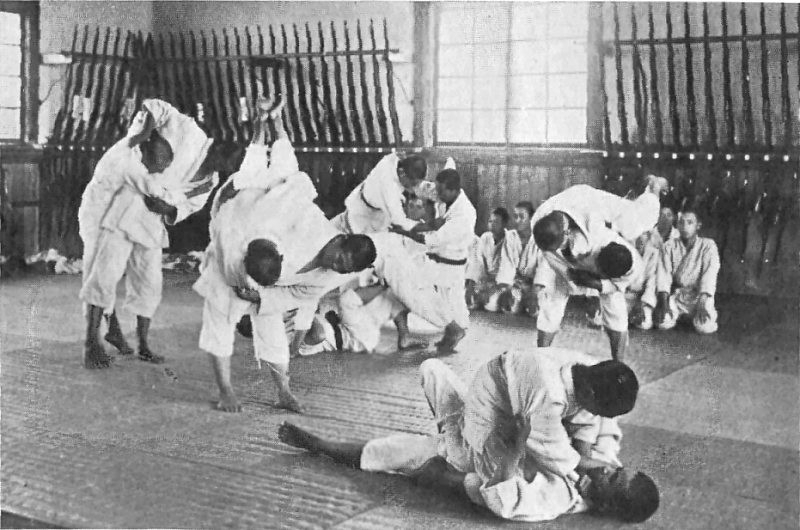
H.F. Leonard was an instructor in wrestling at the New York Athletic Club. Katsukum Higashi was an instructor in Jujitsu.
“I say with emphasis and without qualification that I have been unable to find anything in jujitsu which is not known to Western wrestling. So far as I can see, jujitsu is nothing more than an oriental form of wrestling. It is a boast of the exploiters of jujitsu that through it any weakling could render helpless even a well-trained athlete, and that, too, without inflicting any injury whatever upon the victim. It would be an entertaining day in my life indeed were I to see such a feat accomplished.” —Statement by Mr. Leonard after an exhibition by Mr. Higashi.
“American wrestlers are strong — much stronger than any of us pretend to be in muscular strength. After all, however, wrestling is wrestling. Against jujitsu it is mere child’s play. I have met a number of Western wrestlers, and they are as helpless as babes against the art of jujitsu. And no one versed in the art of jujitsu is mad enough to expect anything else.” — Statement by Mr. Higashi after an exhibition by Mr. Leonard.
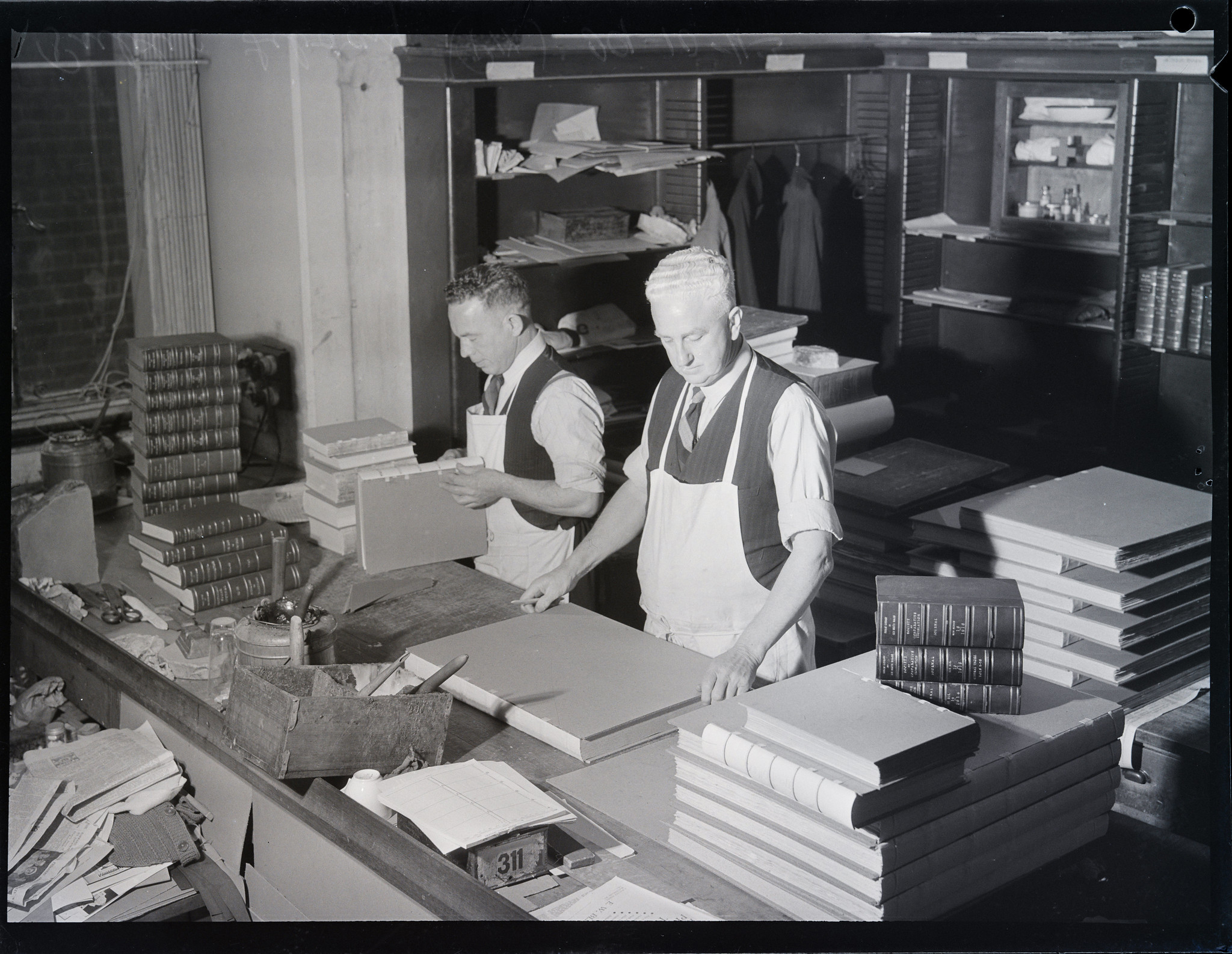
The following is taken verbatim from a document that appeared several years ago in the Maine State Archives. It seems to have been removed from their website. I happened to have made a physical copy of it at the time I was looking into the preservation of leather book bindings back in 2006.
Main State Archives: Guidelines for Restoration and Preservation of Documentary Papers, Maps, Books. [http://www.state.me.us/sos/arc/general/admin/doconsrv.htm]
Handling Books
Never remove a book from the shelf by pulling upon the headcap. Push back a few books at wither side and firmly grasp the sides of the selected volume. Continue reading Proper Book Handling and Cleaning
The following highly collectible Franklin Library Signed Editions were published between 1977 and 1982. They are all fully leather bound with beautiful covers and contain gorgeous and rich silk moire endpapers. Signatures are protected by unattached tissue inserts.
The values listed are average prices that were sought by booksellers at the market cycle top of the collectible book selling market in 2007 after the implosion of the U.S. Housing Bubble and prior to the full blown world economic collapse. It should be noted that these prices would be for books in pristine or like new condition. Continue reading List of the 60 Franklin Library Signed Limited Editions
As New is self-explanatory. It means that the book is in the state that it should have been in when it left the publisher. This is the equivalent of Mint condition in numismatics.
Fine (F or FN) is As New but allowing for the normal effects of time on an unused book that has been protected. A fine book shows no damage.
Very Good (VG) describes a book that is worn but untorn. For many collectors this is the minimum acceptable condition for all but the rarest items. Any defects must be noted.
Good (G) describes the condition of an average used worn book that is complete. Any defects must be noted.
Fair shows wear and tear but all the text pages and illustrations or maps are present. It may lack endpapers, half-title, and even the title page. All defects must be noted.
Poor describes a book that has the complete text but is so damaged that it is only of interest to a buyer who seeks a reading copy. If the damage renders the text illegible then the book is not even poor.
Ex-library copies must always be designated as such no matter what the condition of the book.
Book Club copies must always be designated as such no matter what the condition of the book.
Binding Copy describes a book in which the pages or leaves are perfect, but the binding is very bad, loose, off or non-existent..
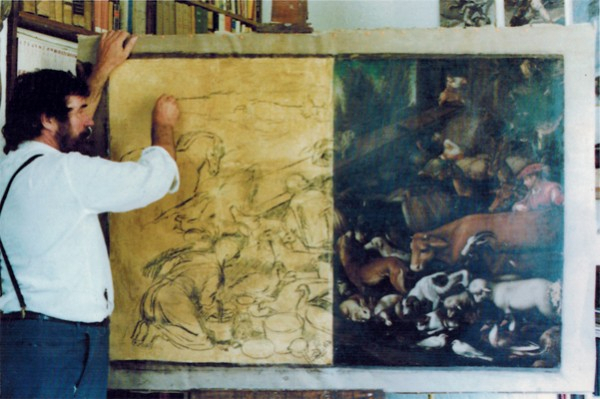
Dutch artist Herman de Vries – Photo taken by son Vince
The two videos below of Herman de Vries at work at the Venice Bienalle 2015 are quite inspiring.
So inspiring in fact that I moved into a cave for two weeks and wrote Shakespearean tragedy with charcoal. Filled with great joy I returned to my studio and set about creating a tribute to Herman de Vrie I shall call La Biennale di Venezia de Forest with Five or Six Nymphs2, or Going Caveman with Anti-Matter Fragmentation Art, a five picture installation which can be viewed below the film.
httpv://youtu.be/IBi4d4H0z1c
httpv://youtu.be/XyjORd6X-6Q
————————————————————————
La Biennale di Venezia de Forest with Five or Six Nymphs2, or Going Caveman with Anti-Matter Fragmentation Art
From Dr. Marvel’s 1929 book entitled Hoodoo for the Common Man, we find his infamous Hoochie Coochie Hex.
What follows is a verbatim transcription of the text:
The Hoochie Coochie Hex should not be used in conjunction with any other Hexes. This can lead to disaster.
The Hoochie Coochie Hex can only work in the month of October with the coming of a full moon. It will not work in September and will not work in November. This point is now well established.Continue reading The Hoochie Coochie Hex
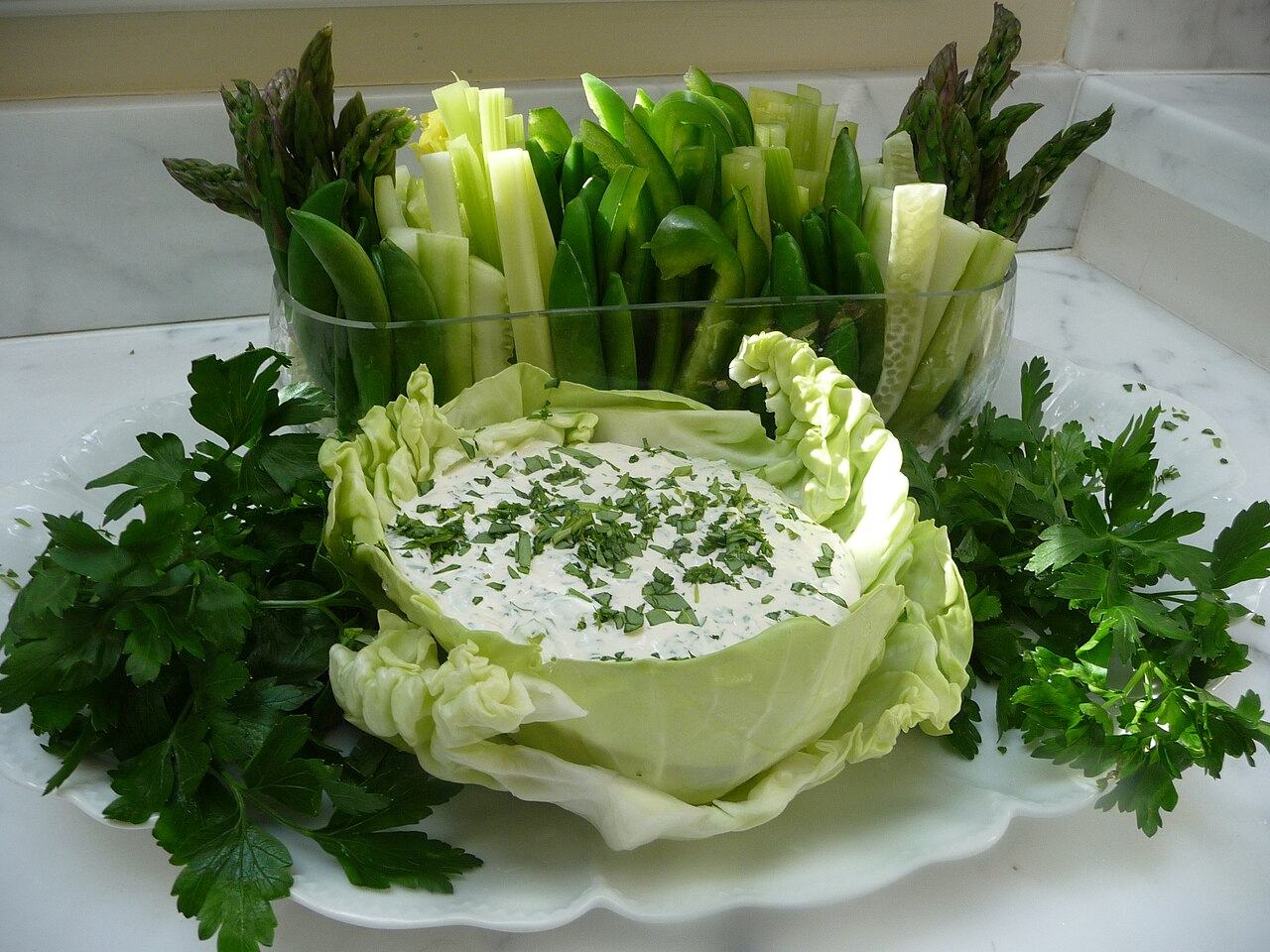
Add the following ingredients to a stock pot or a four or six quart crock pot, salt & pepper to taste keeping in mind that salt pork is just that, cover with water and cook on high till it boils, then cut back to low for four or five hours. The photo above depicts the use of a french copper stock pot.
1 Small Cabbage quartered or as in the case of the photo above, three chunks cut out of very large cabbage
1 Large Potato diced or 2 or 3 small ones
1/2 Cup each of dried Garbanzos, Chick Peas, and Split Green Peas
3 or 4 Slices of Salt Pork, You can substitute bacon if you have no salt pork.
If you’re looking for that most refreshing of summertime beverages for sipping out on the back patio or perhaps as a last drink before walking the plank, let me recommend my Blunderbuss Mai Tai. I picked up the basics to this recipe over thirty years ago when holed up in a gritty little hotel and bar in Puerto Rico and have worked on perfecting it ever since. Continue reading Blunderbuss Mai Tai Recipe
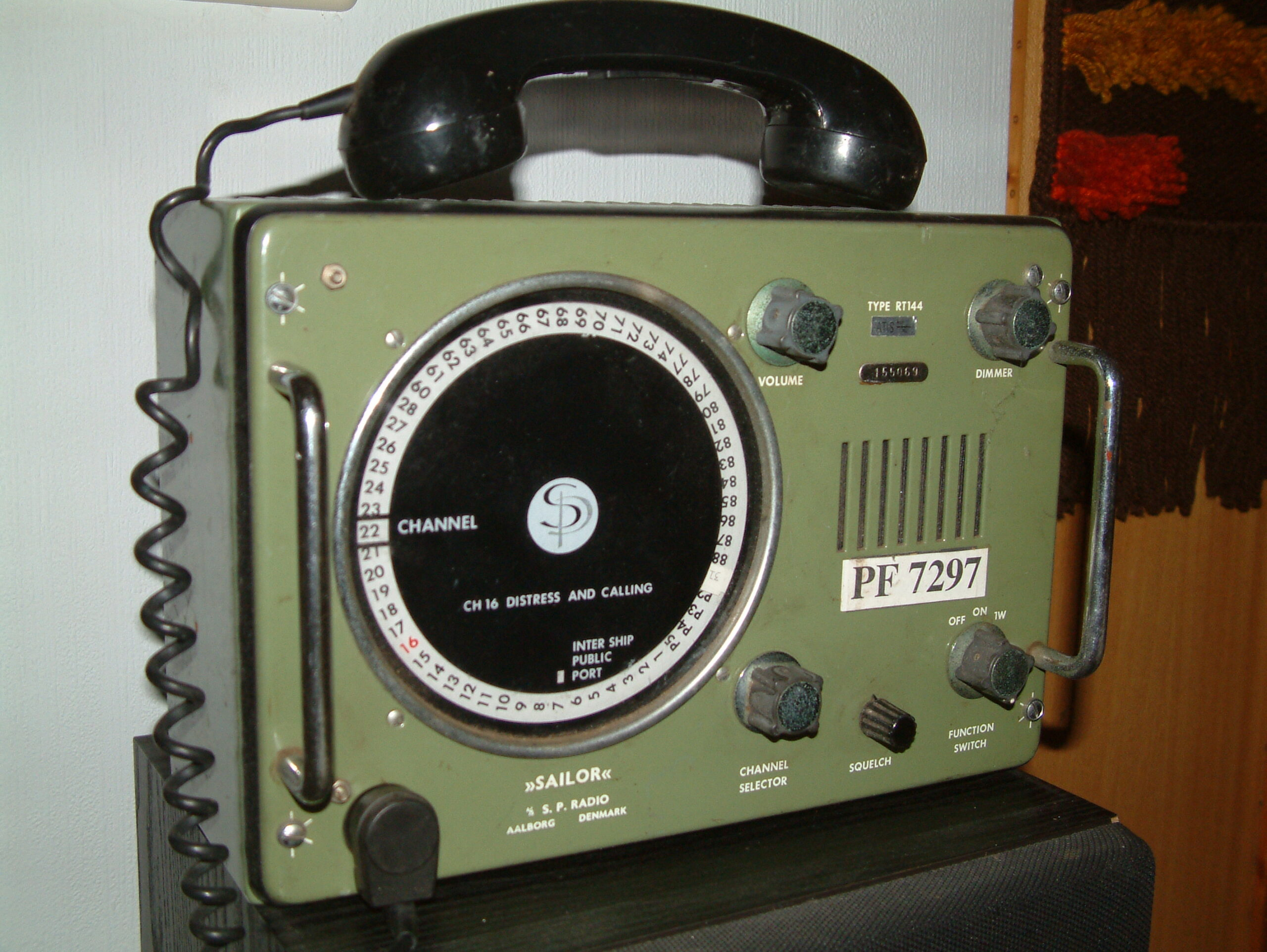
Effective 01 August, 2013, the U. S. Coast Guard terminated its radio guard of the international voice distress, safety and calling frequency 2182 kHz and the international digital selective calling (DSC) distress and safety frequency 2187.5 kHz. Additionally, marine information and weather broadcasts transmitted on 2670 kHz will terminate concurrently. See the safety alert. Note that these frequencies are still available and in use, notwithstanding the Coast Guard’s termination of the radio guard. Please contact us if you have any questions. Continue reading U.S. Coast Guard Radio Information for Boaters
The beauty of hunting silverfish is that they are not the most clever of creatures in the insect kingdom.
Simply take a small clean glass jar and wrap it in masking tape. The masking tape gives the silverfish something to cling on to as they curiously climb to the top of the jar. Bait is not required. Set the jars upright in the path of known offenders, sit back and wait…OK, perhaps just leaving the jar and coming back in a day or two will do.
Lepisma Saccharina – Silver Fish – photo by Christian Fischer
From The How and When, An Authoritative reference reference guide to the origin, use and classification of the world’s choicest vintages and spirits by Hyman Gale and Gerald F. Marco. The Marco name is of a Chicago family that were involved in all aspects of the liquor business and ran Marco’s Bar located at 70 E. Randolph Street and another at 32 S. Clark St. in Chicago back in the day. Continue reading Cocktails and Canapés
Exhaust blackened dirty snow
Bleak City cold winter sting
Cars in ditches
Tire chains and rock salt
Doughnut shop at four am
Factory whistle blows at five
Hot coffee on the dashboard
Eyes on the road
Front wheel drive Cadillac
I’ll make it on time
Awakened to mild rumbles of thunder and pounding rain
washed down by a steady drizzle and more downpour
coating asphalt with mirrored reflections of oily alluvial runoff
easing back into a soothing pattern of velvety rain drops
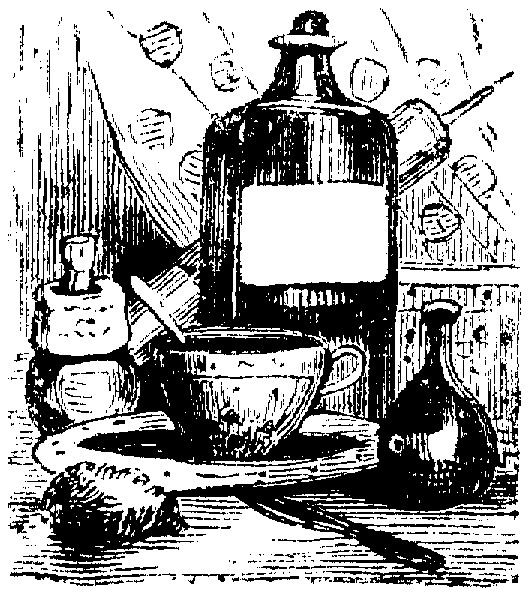
drizzling down the foliage encased wrought iron balcony rails Continue reading The Damp Dark Plight of Rainy Day Books
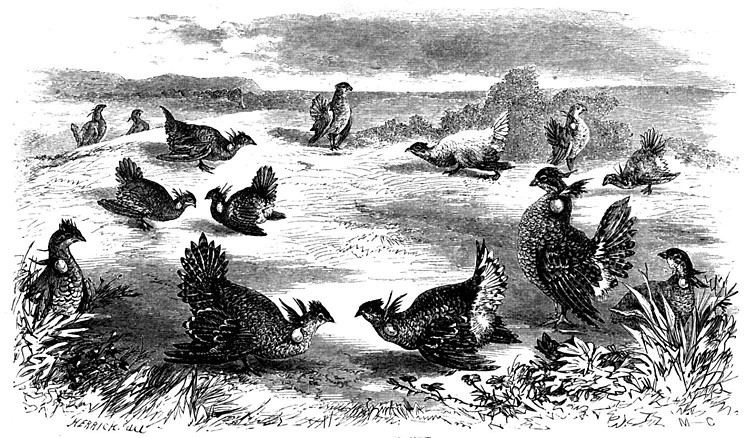
Western prairie quiet broken by forged steel
Sage Grouse dance, feathers of resplendent golden lace
oblivious to Manifest Destiny’s race
Juniper trees observe from high peaks
Wisps of threadbare clouds converging on progress Continue reading Prairie Steel and Golden Lace






























































![50 Watt 4 Stage Hi-Fidelity Power Amplifier Circuit and Parts List [The Basic Schematic of Most Low Cost Tube Guitar Amps Made Today]](https://countryhouseessays.com/wp-content/uploads/2026/02/5R4GYB-Tube.gif)