
httpv://youtu.be/DNKfucd0HYo
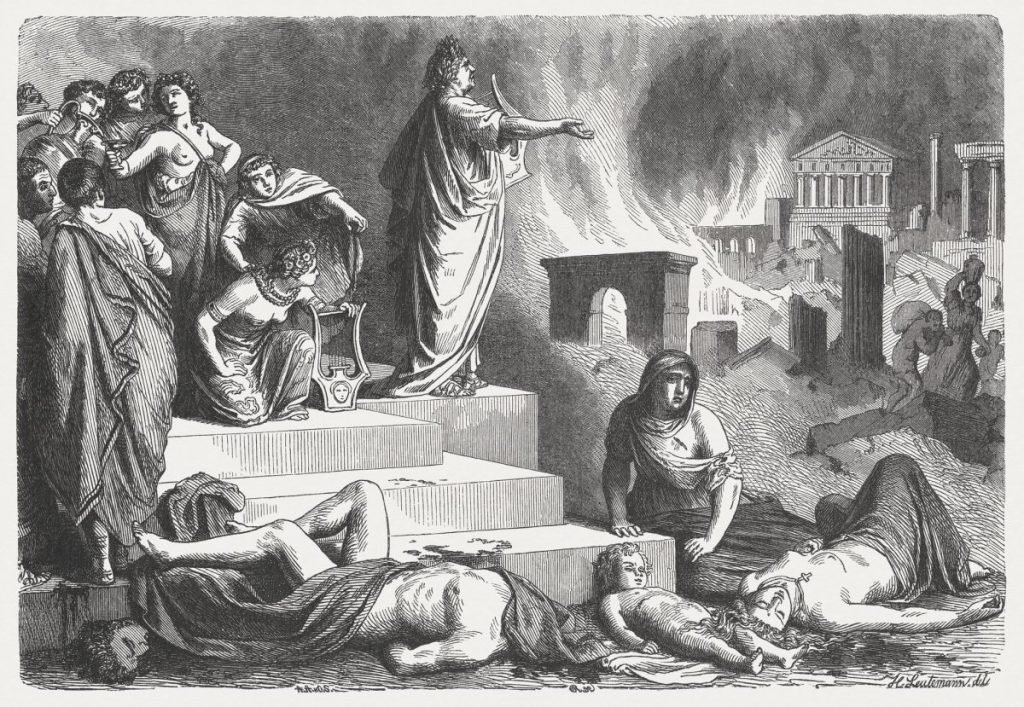
A History of the Use of Arsenicals in Man
On Bernini’s Bust of a Stewart King
Of Interest to Heavy Drinkers: Cleansing the Liver with Northern Ground Cone (Boschniaka rossica)
The Hoochie Coochie Hex
Bleak City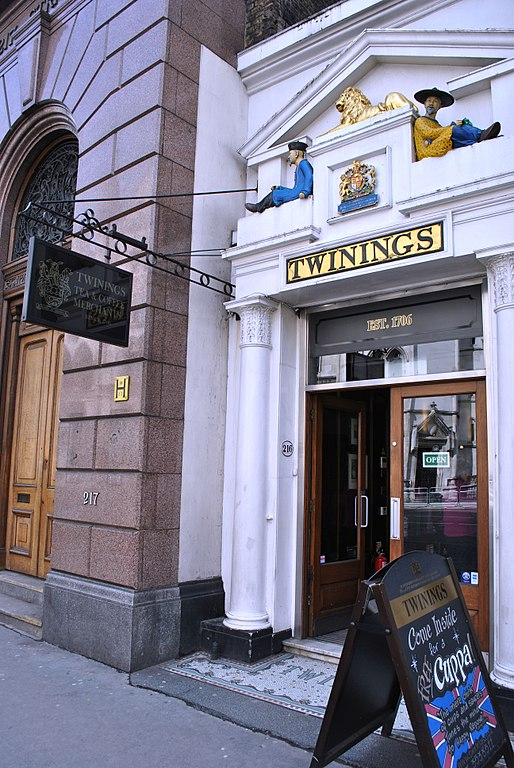
Cup of Tea? To be or not to be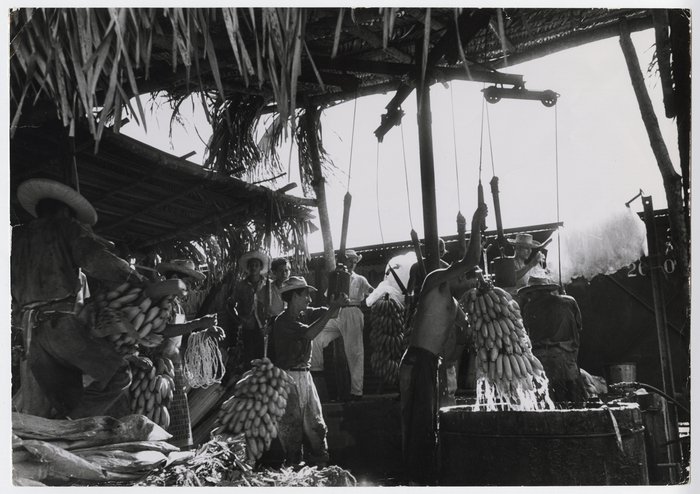
Birth of United Fruit Company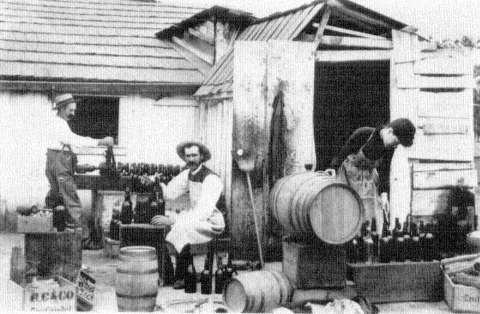
Homemade Wine Recipes from the 16th and 17th Centuries
Copper Kills Covid-19 and the Sun is Your Friend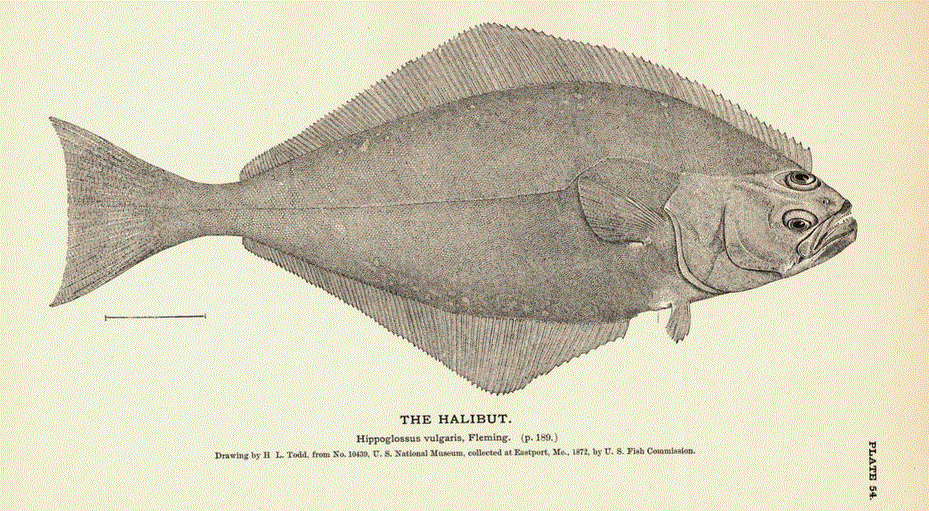
Shipping Fish Three Thousand Miles to Market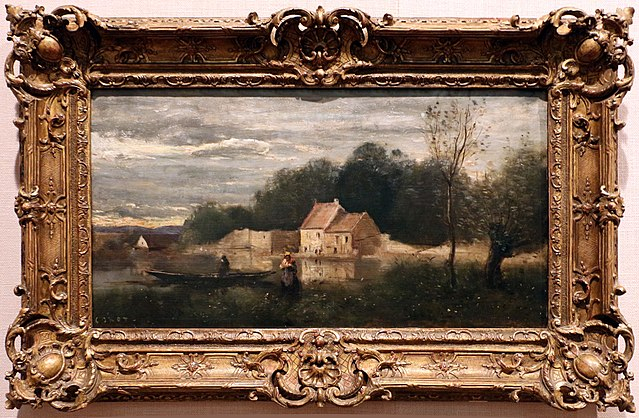
Cleaner for Gilt Picture Frames
Gout Remedies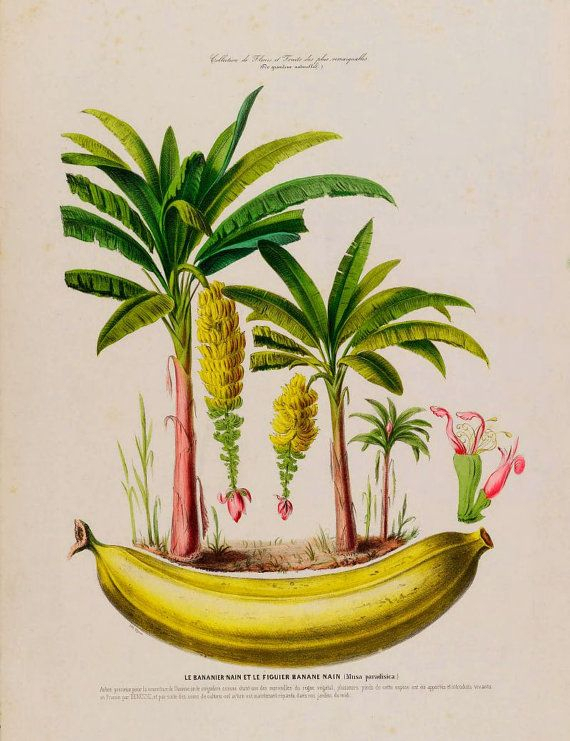
Banana Propagation
Books Condemned to be Burnt
History and Facts on American Newspaper Production from the Colonial Times Through the 1890s.
Flawed Law – The Hunting Act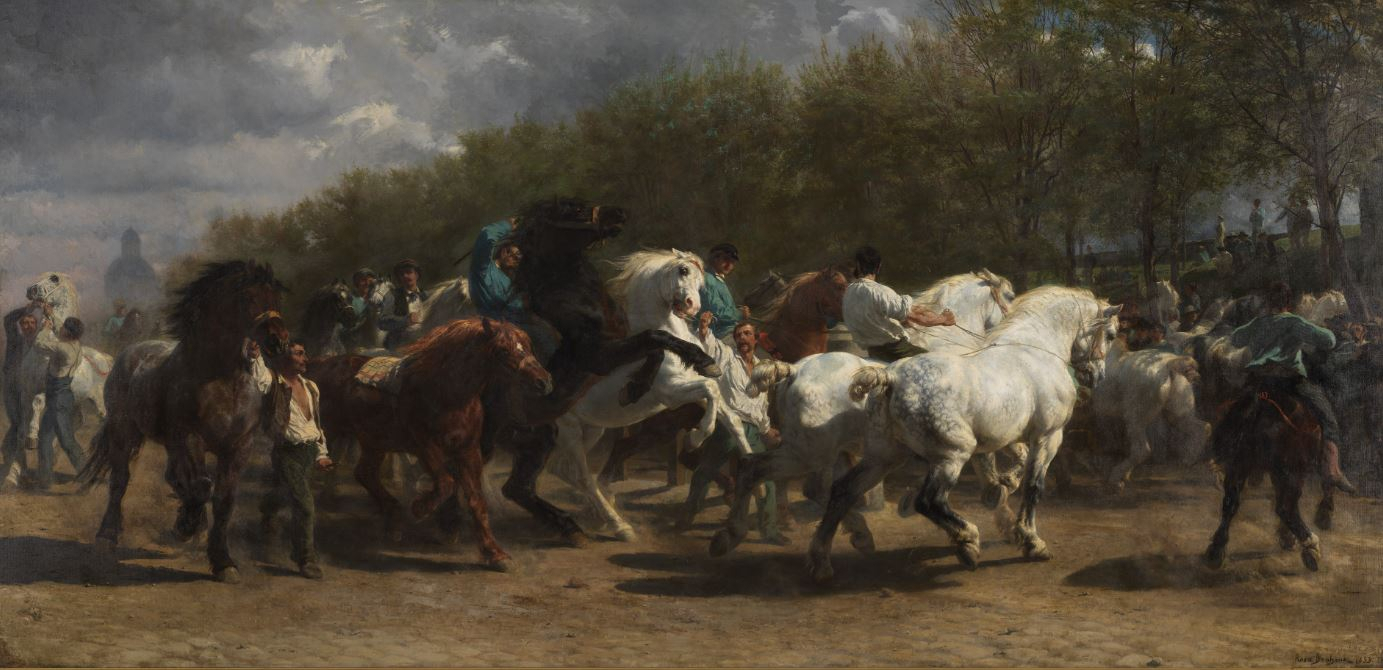
The Restoration of Rosa Bonheurs Horse Fair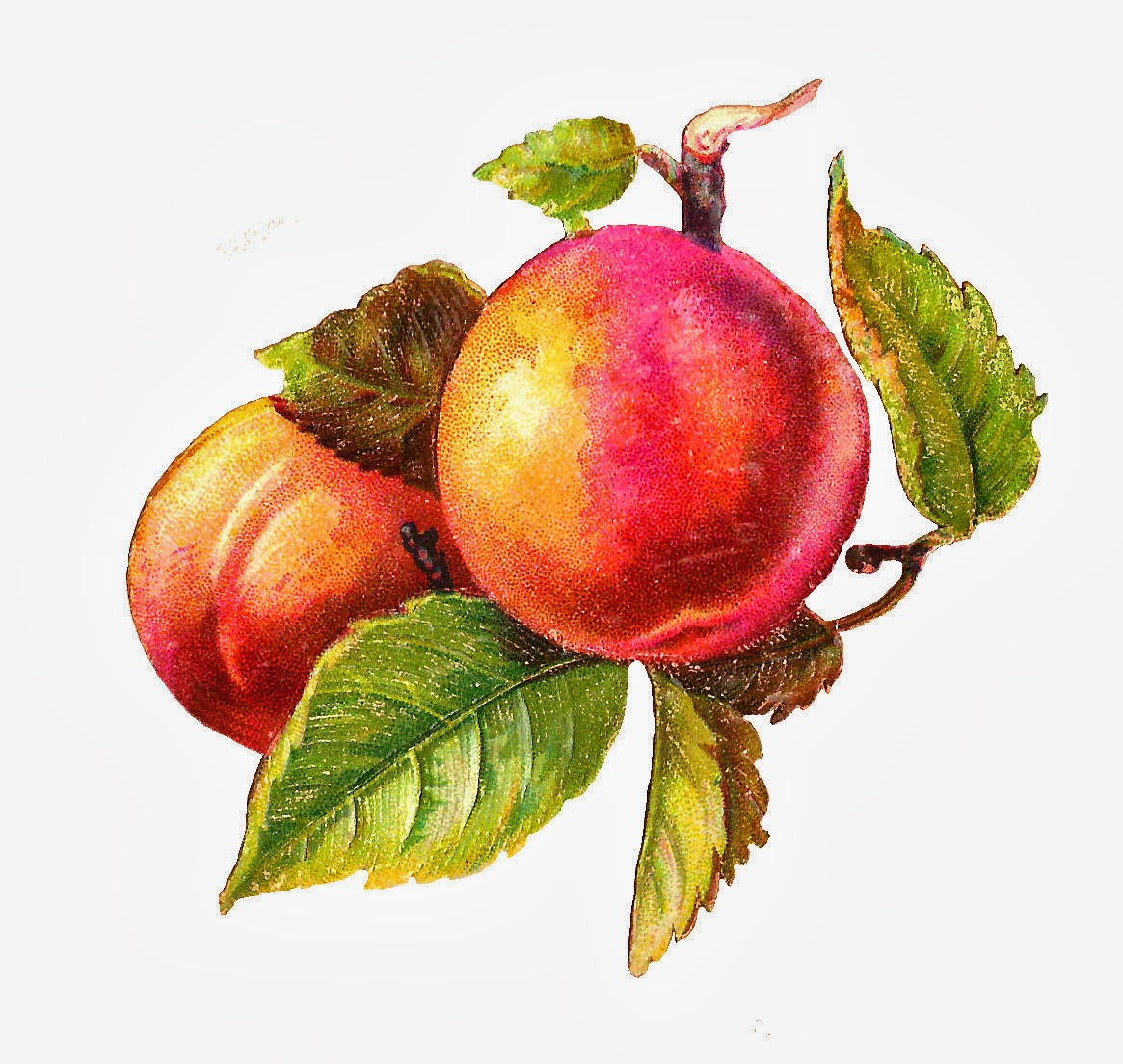
Peach Brandy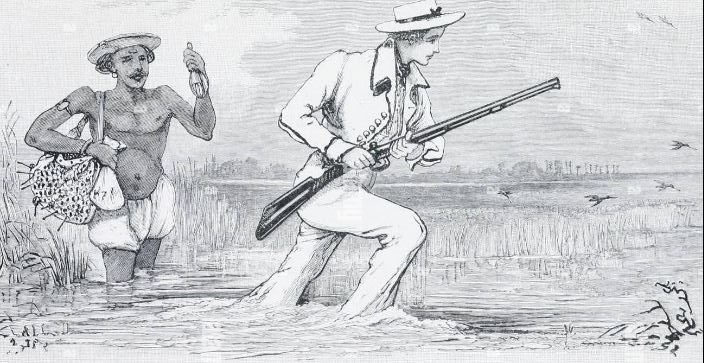
Snipe Shooting
Origin of the Apothecary
Chantry Chapels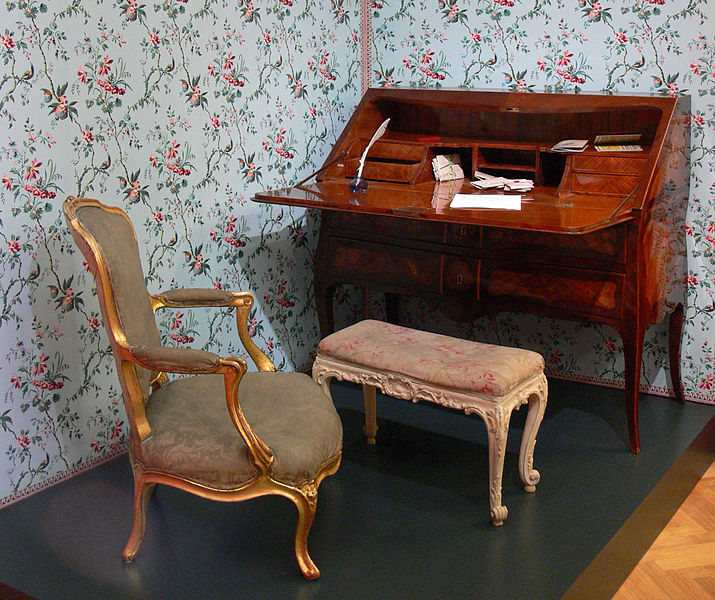
Furniture Polishing Cream
The Last Surfer in California
Fox Hunting – A Great British Tradition
Ought King Leopold to be Hanged?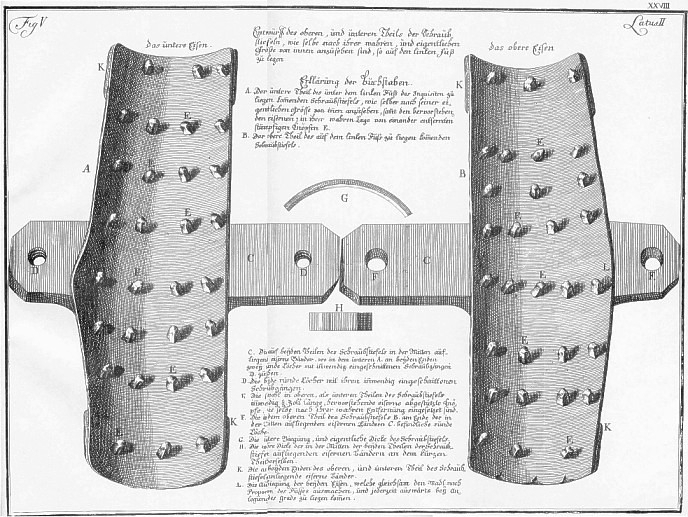
Penal Methods of the Middle Ages
Method of Restoration for Ancient Bronzes and other Alloys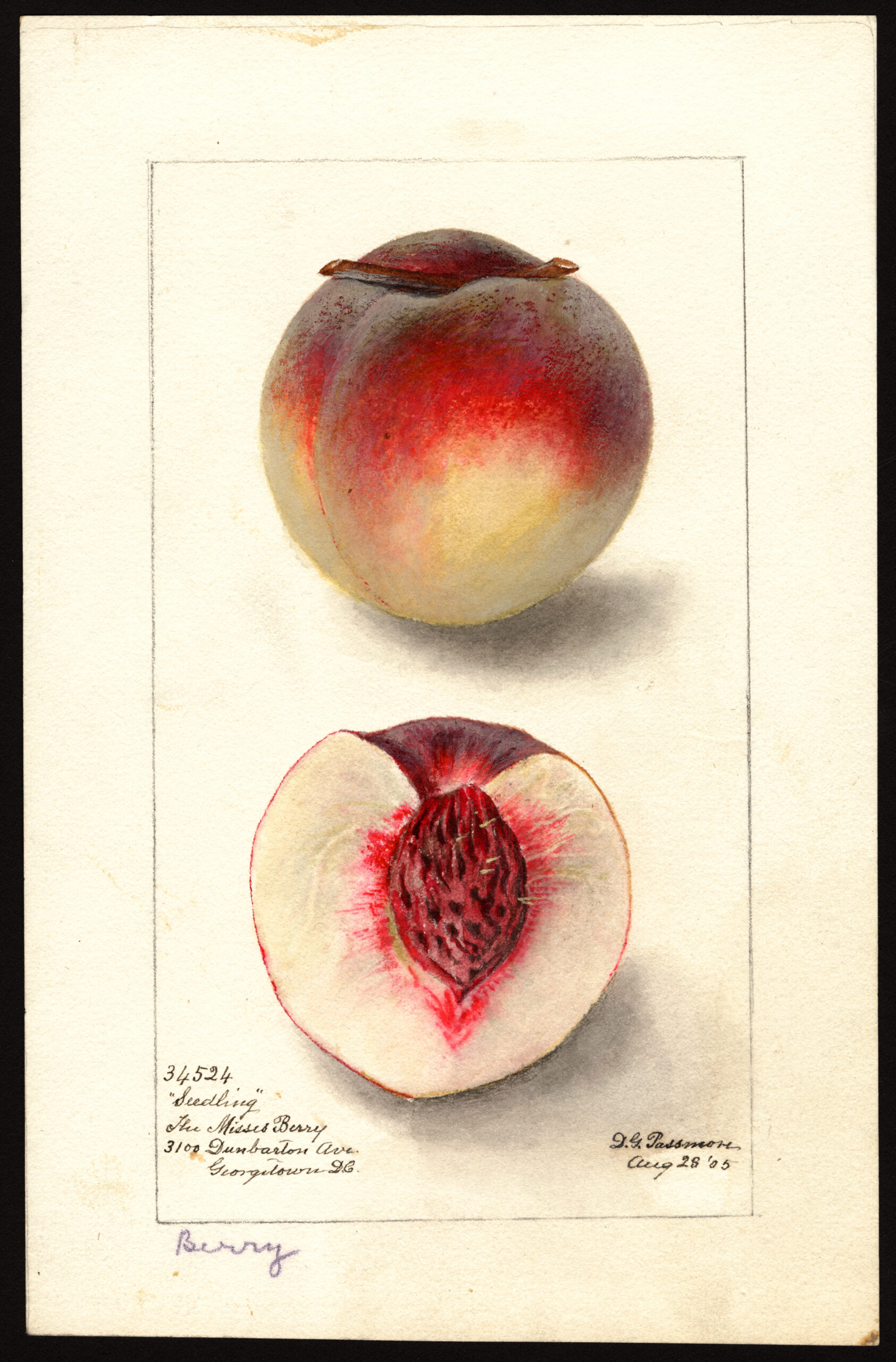
Seeds for Rootstocks of Fruit and Nut Trees
Texas Tea
Formulaes for Re-Creating the Old-Fashioned Drug Store Counter
The Kalmar War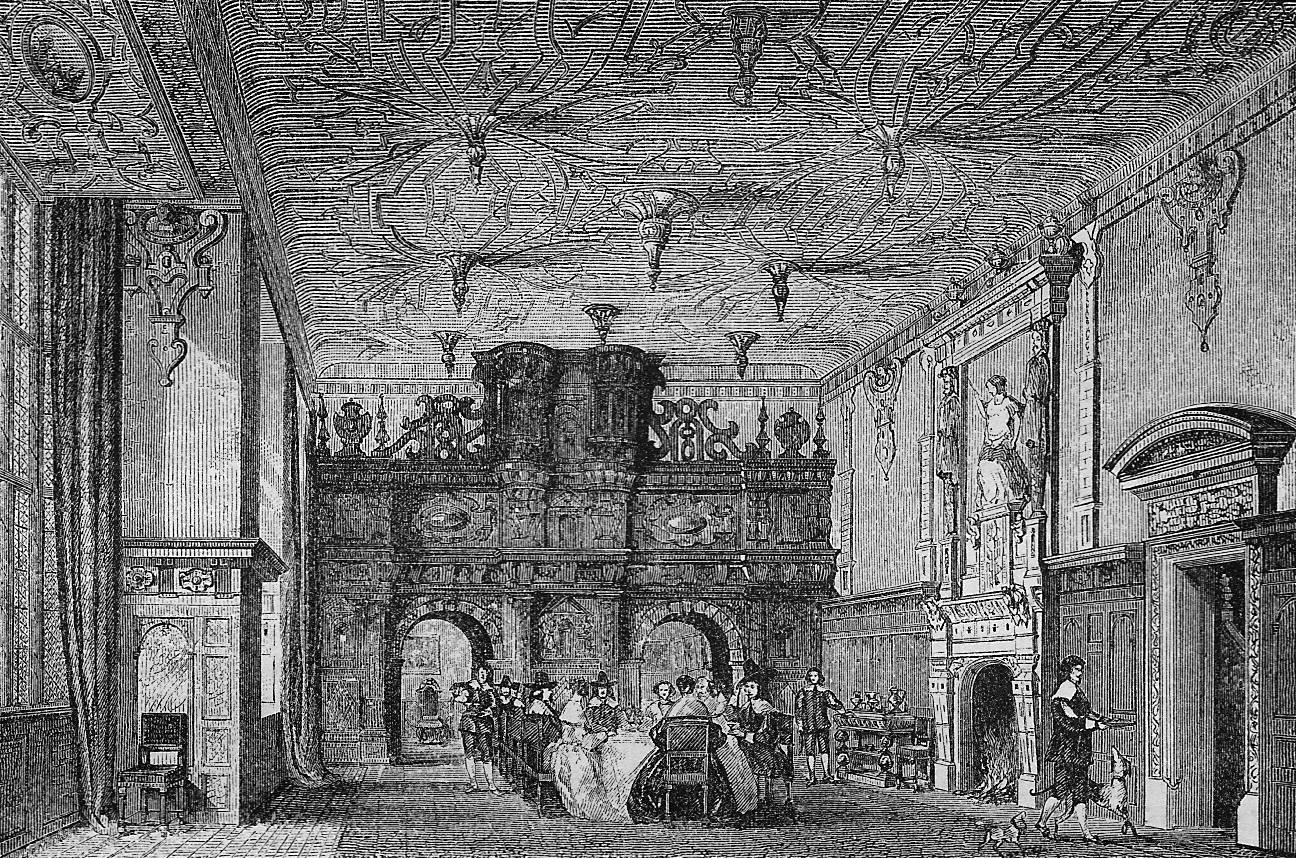
Of the Room and Furniture
The Shirk – An Old but Familiar Phenomena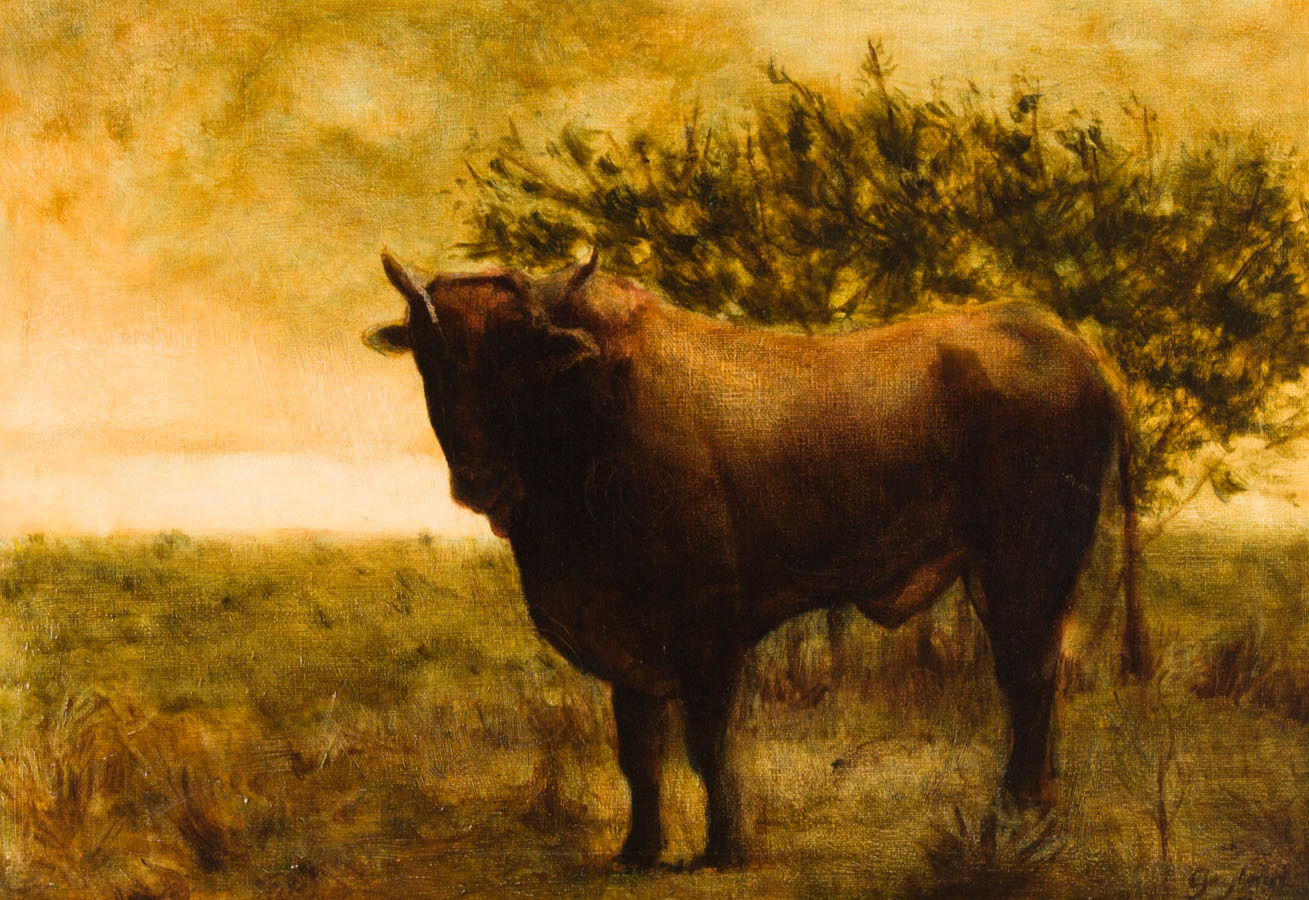
Beef Jerky
The Billesden Coplow Run
Glimpses from the Chase
The Effect of Magnetic Fields on Wound Healing
The Cremation of Sam McGee
Old Time Recipes for Homemade Wines, Cordials, and Liqueurs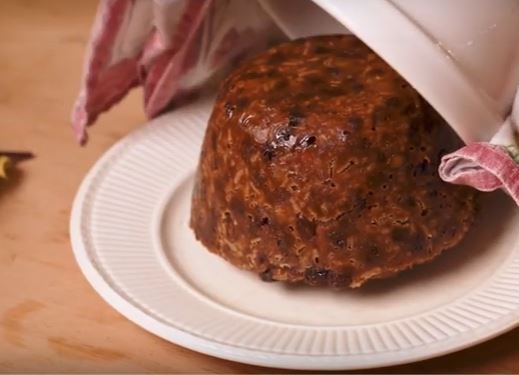
Christmas Pudding with Dickens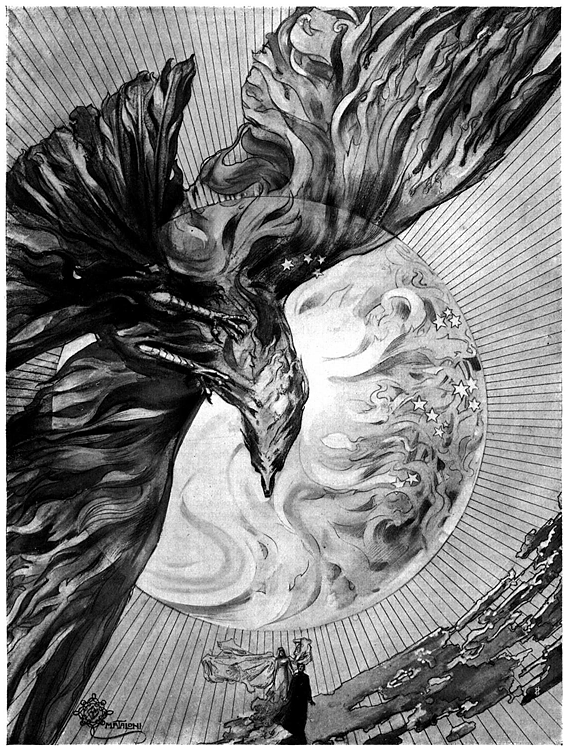
Clairvoyance and Occult PowersCuring Diabetes With an Old Malaria Formula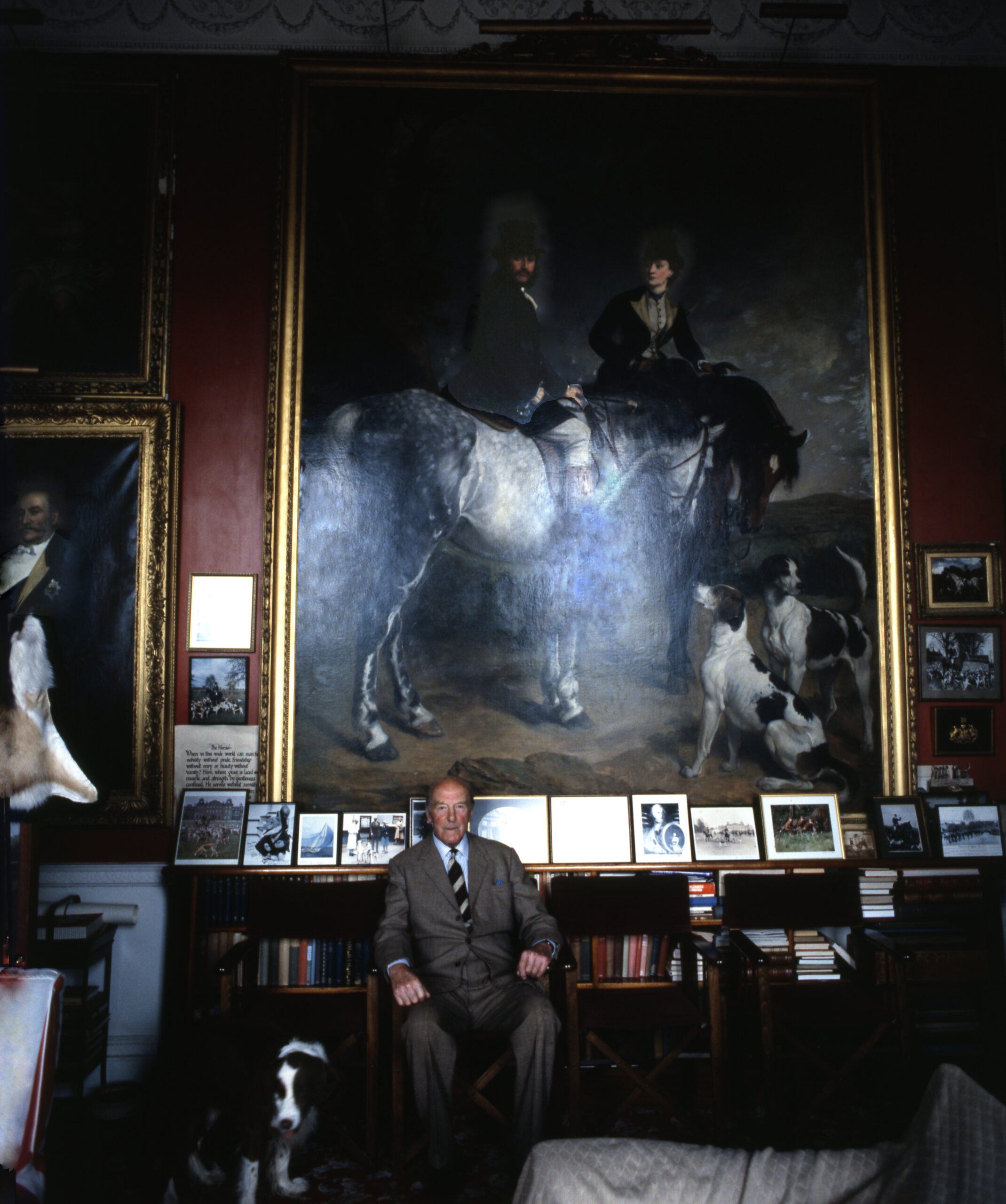
The Beaufort Hunt 1914
A Note on Ill-Breeding from a Knight of Grace of the Order of St. John of Jerusalem
Artist Methods
Looking for a Gift for the Book Collector in the Family?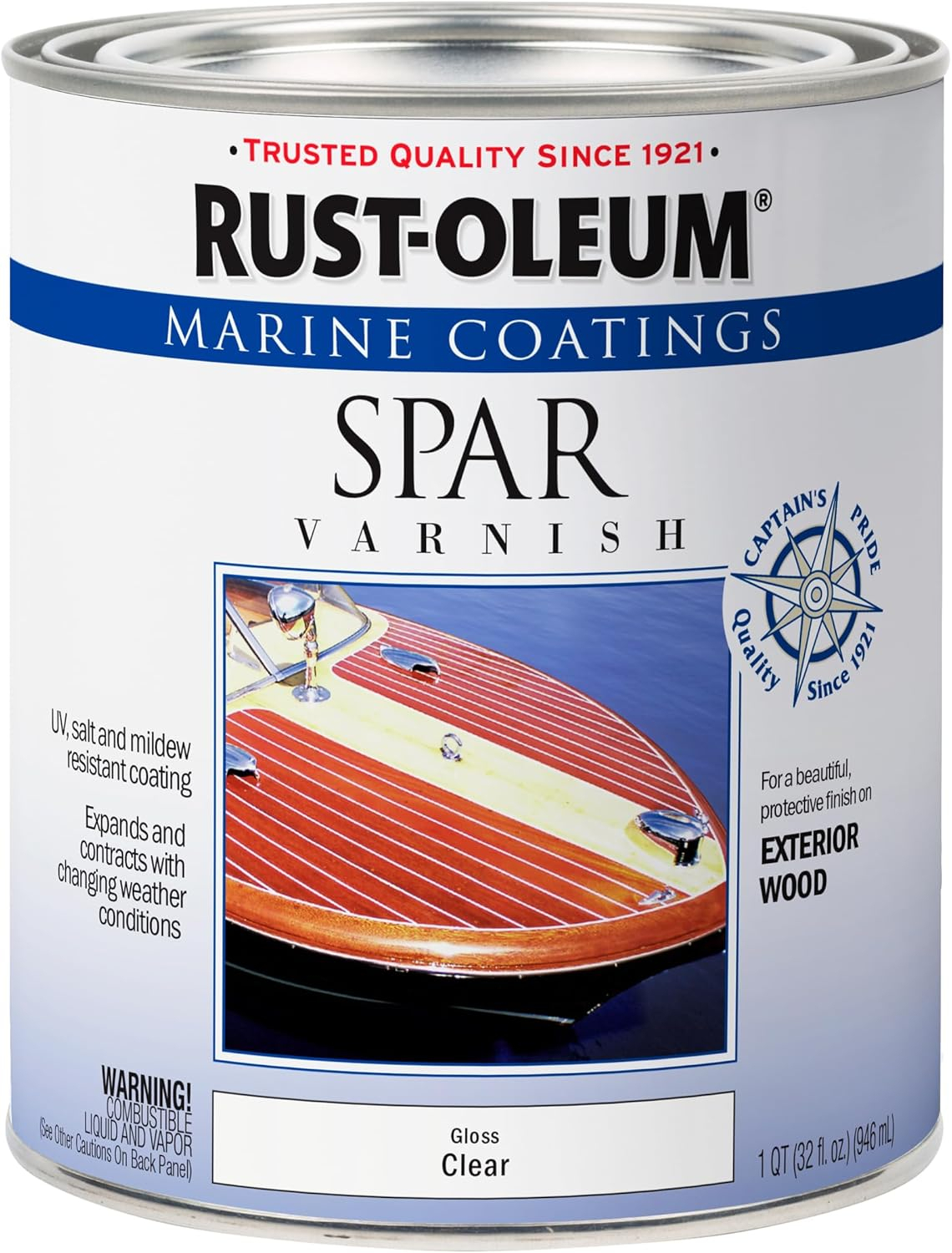
Money Saving Recipe for Gold Leaf Sizing
A Summer Memory
Modern Slow Cookers, A Critical Design Flaw
How to Make Money – Insurance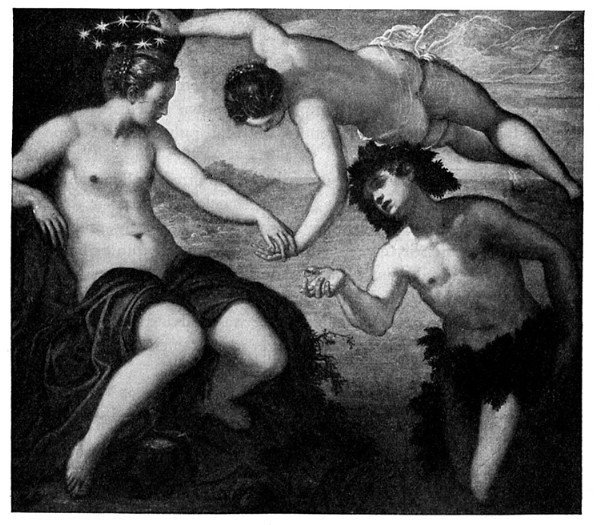
Clairvoyance – Methods of Development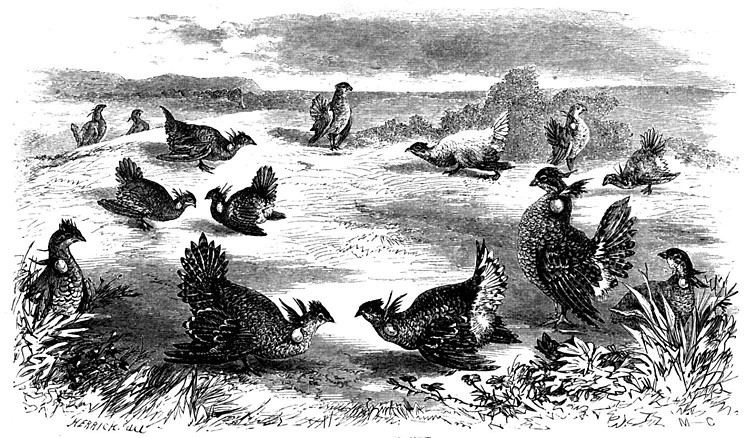
Prairie Steel and Golden Lace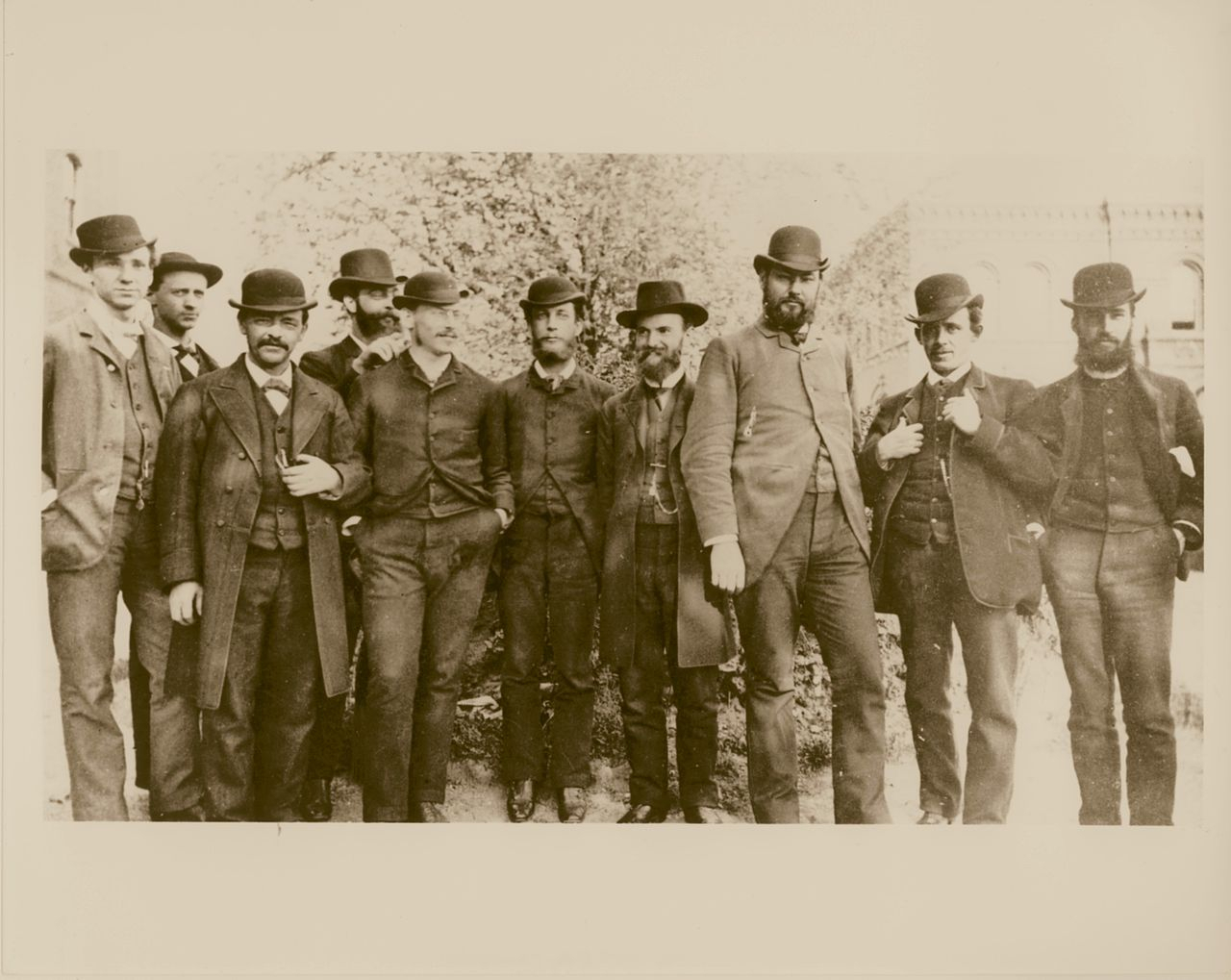
The Relation of Chemistry to the progress of Wine Making, Brewing, and Distilling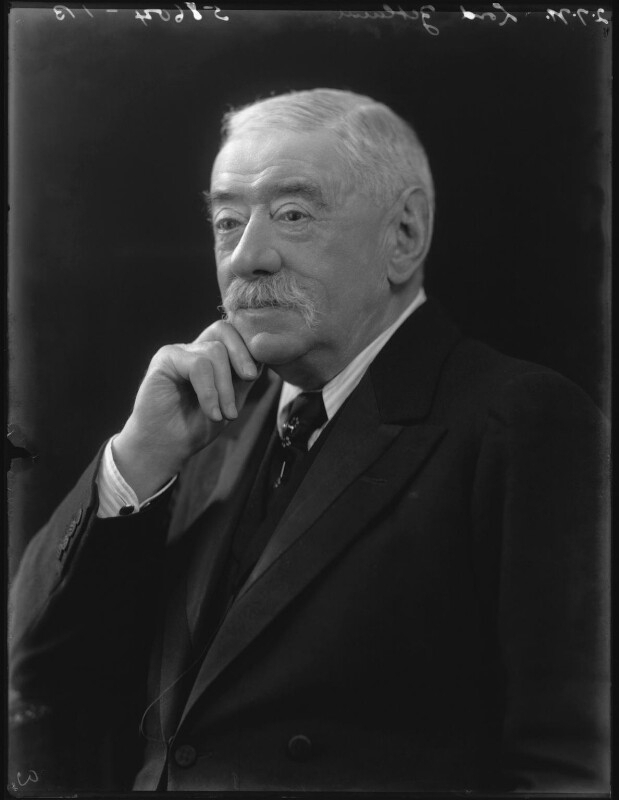
The Master of Hounds
Country House Christmas Pudding
The Red-Headed Macaw
Harry Houdini Investigates the Spirit World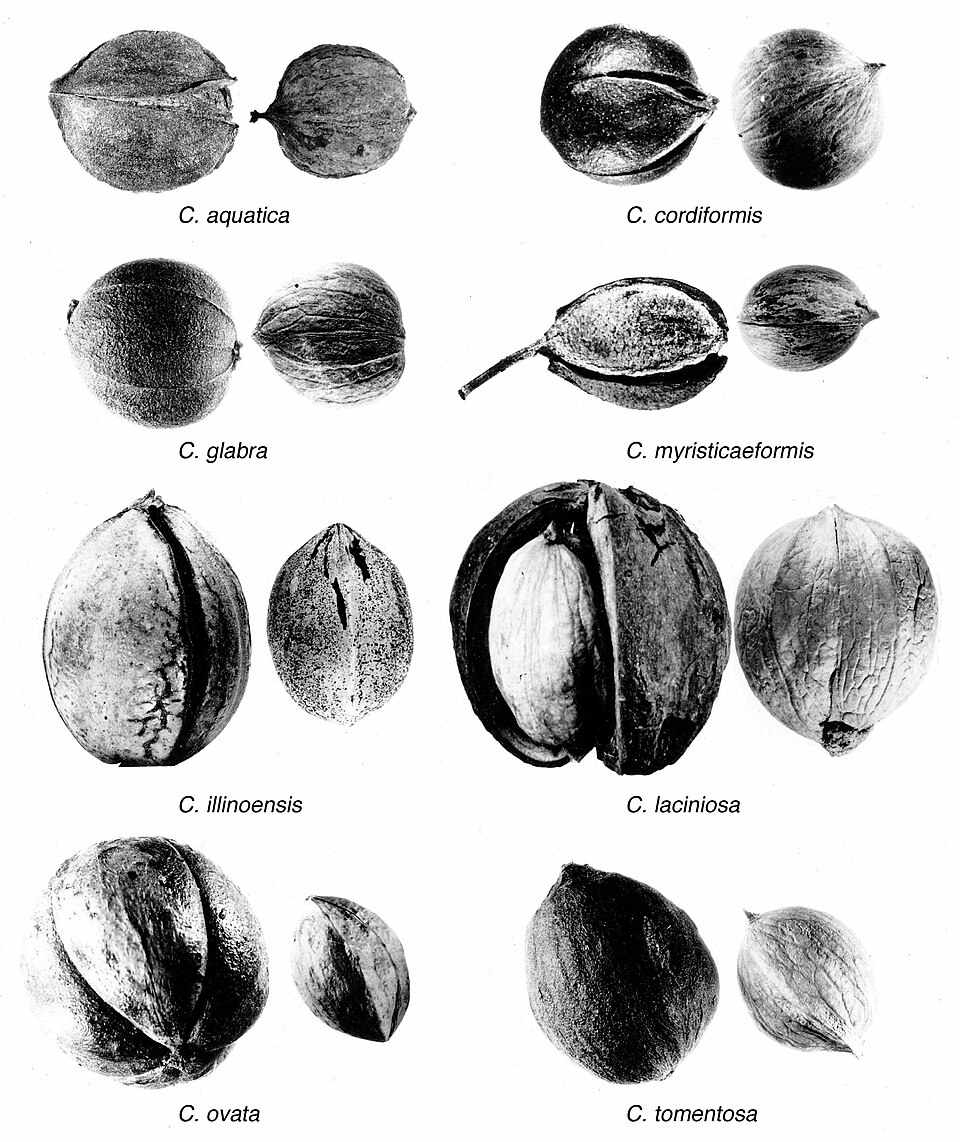
The Hardwood Handbook – An Illustrated Guide to Appalachian and Southern Lumber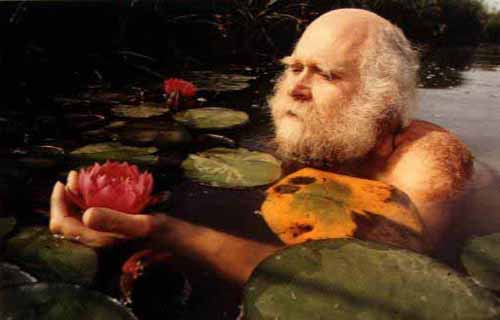
Herman de Vries at Venice Biennale 2015 – Going Caveman With Anti-Matter Fragmentation Art – A Tribute
Fox Hunting Season 1964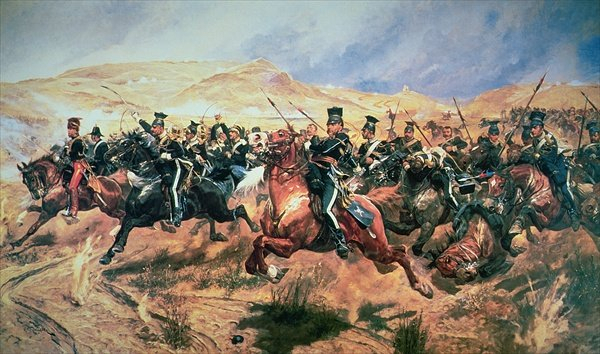
The Charge of the Light Brigade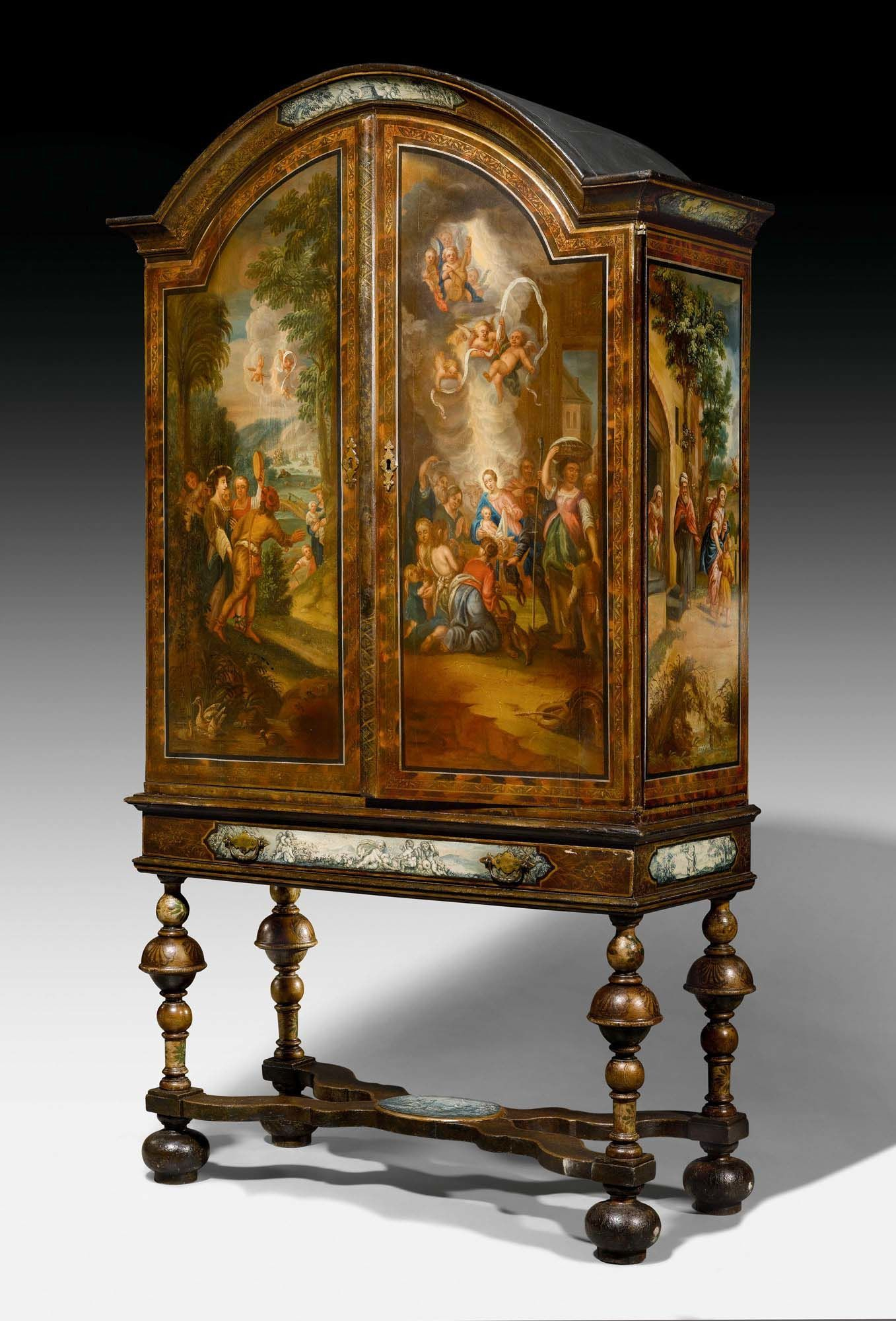
Of Decorated Furniture
Mein’s Circulating Library
Fox Control with Jack Russell Terriers in Scotland
Pickled Eels
Land of Hope and Glory: British Country Life – Fox Hunting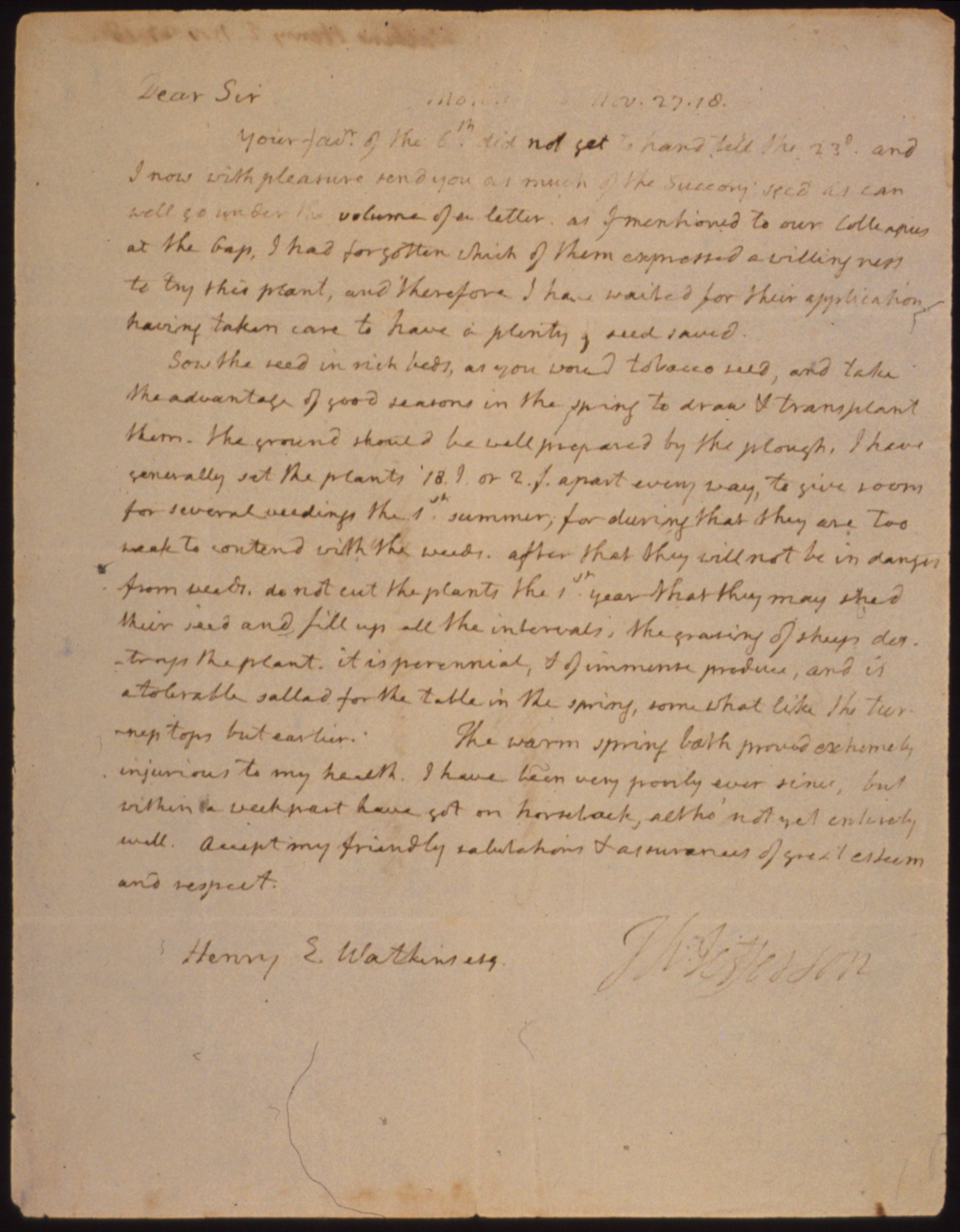
Thomas Jefferson Correspondence – On Seed Saving and Sharing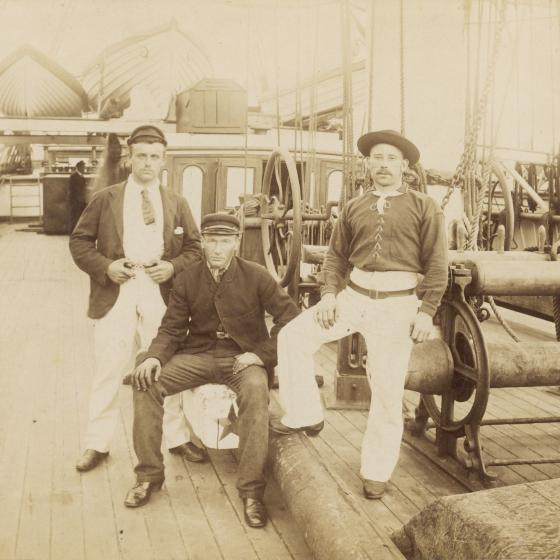
Shipmates
The Basics of Painting in the Building Trade
The Hatha Yoga Pradipika
Sir Peter Francis Bourgeois and the Dulwich Picture Gallery
Wood Finishing – Blistering, Peeling, and Cracking of House Paints from Moisture
Valentine Poetry from the Cotswold Explorer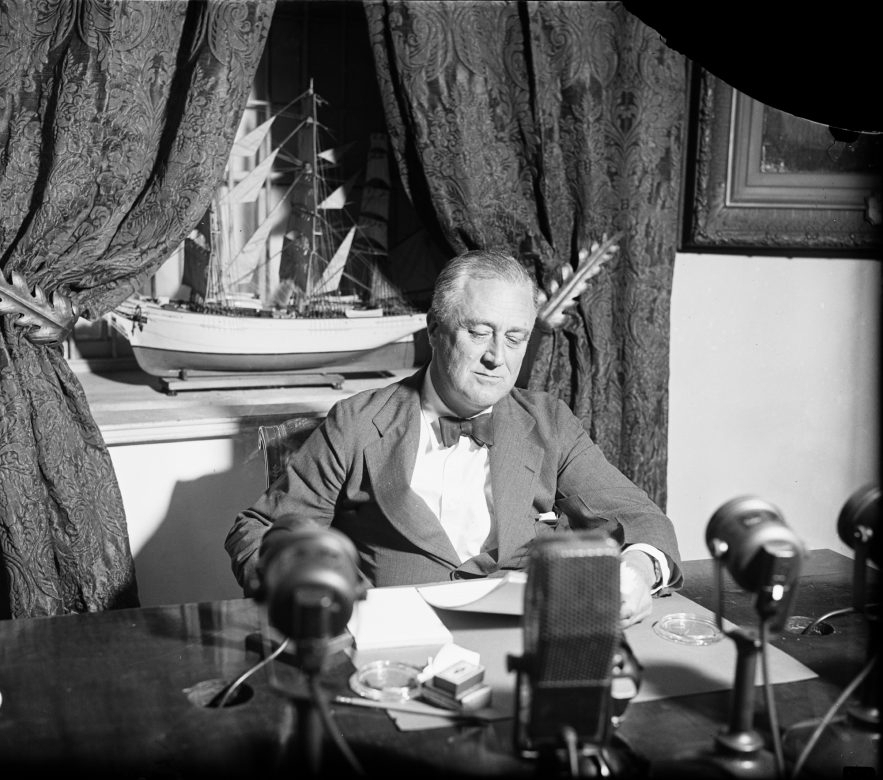
An Accurate Translation of FDR’s Second Fireside Chat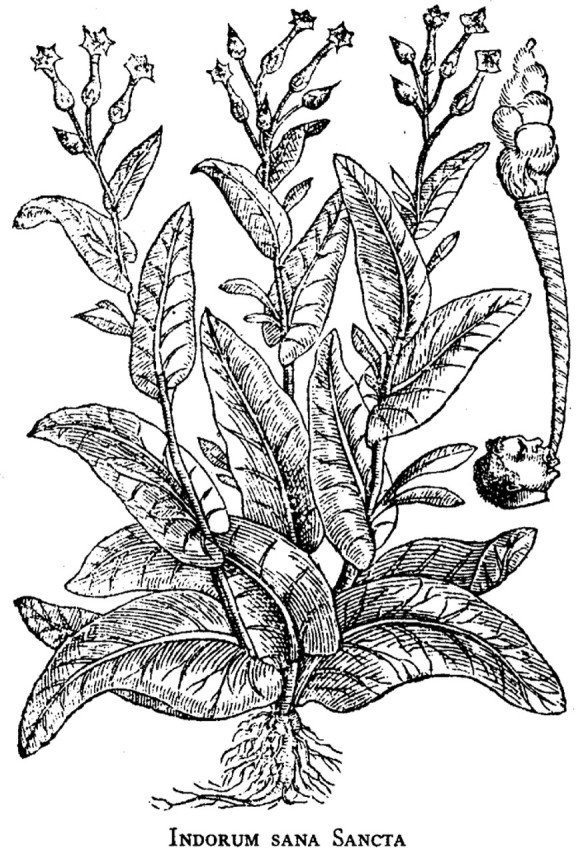
Tobacco as Medicine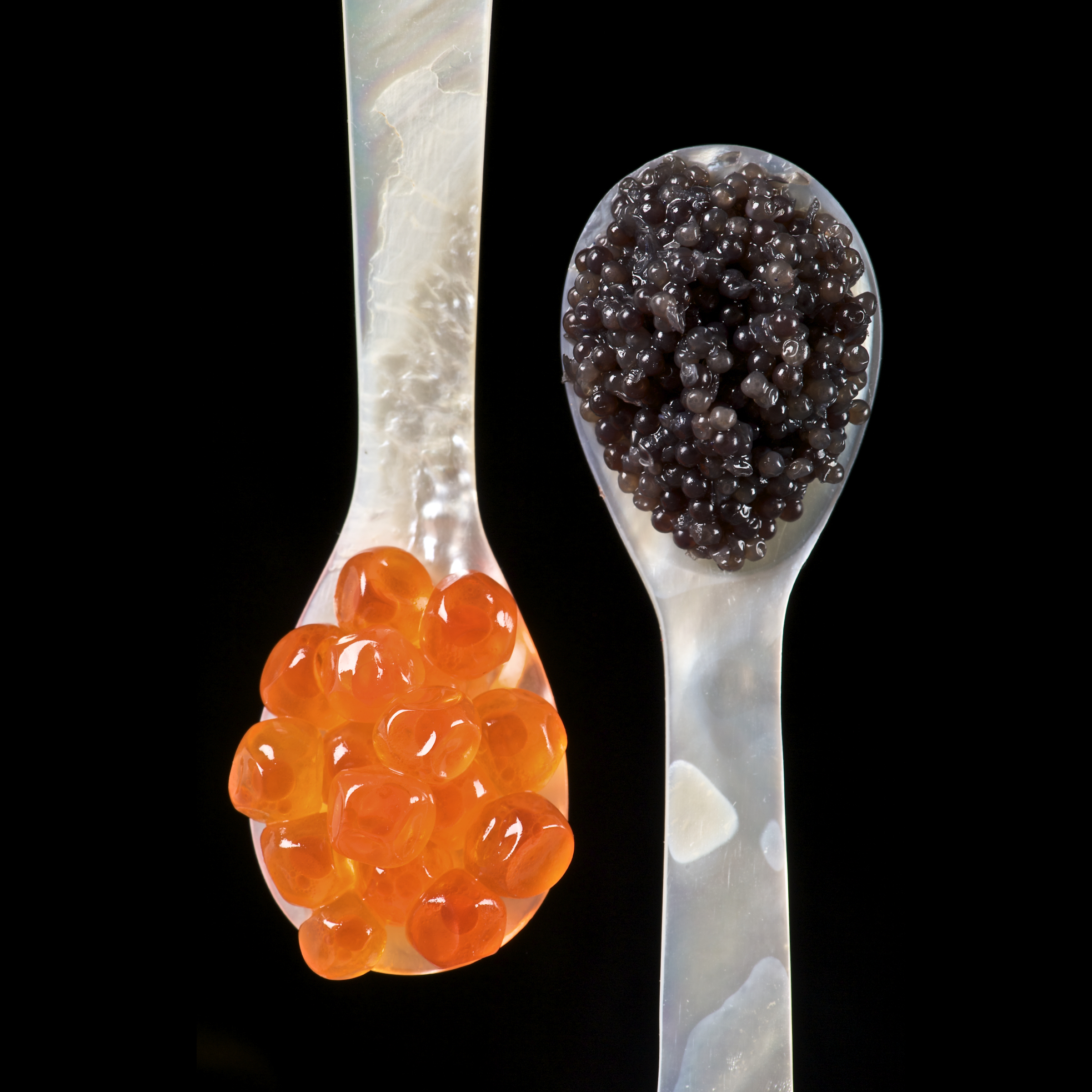
Salmon Caviar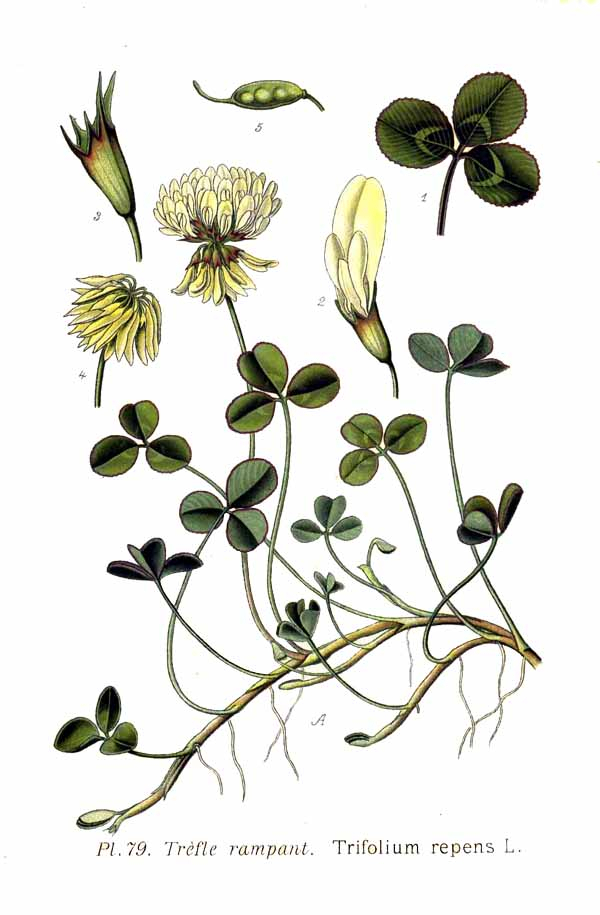
Clover Wine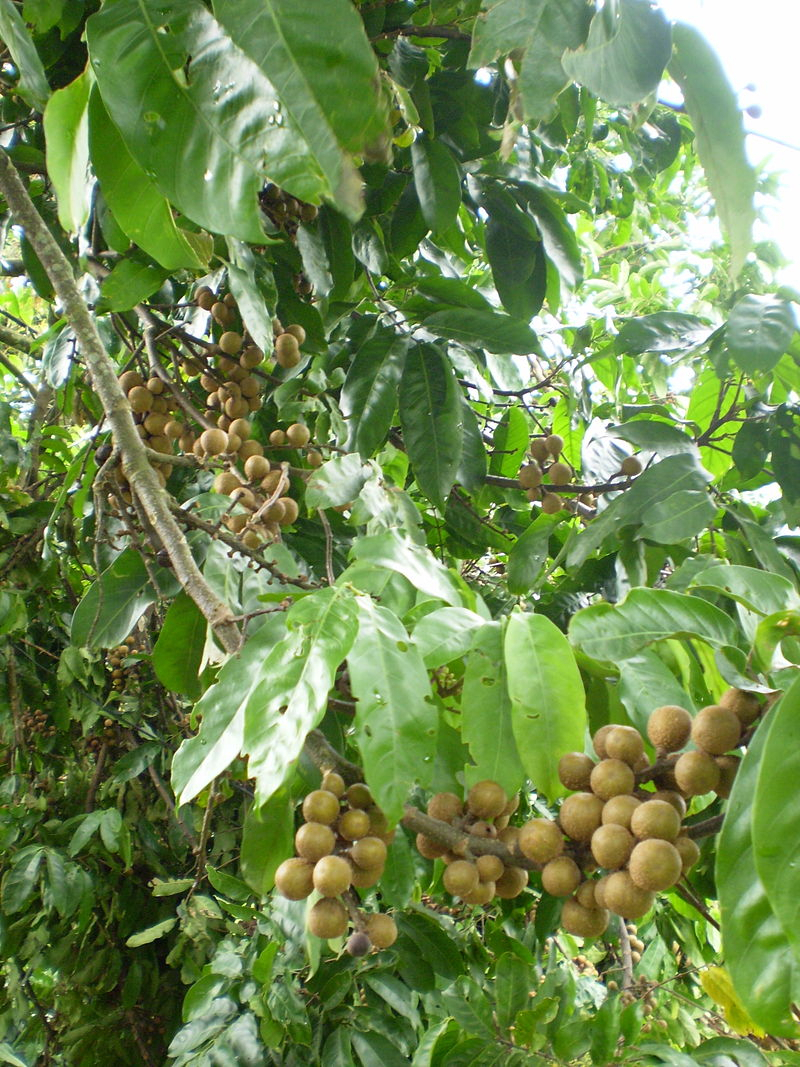
Cocillana Syrup Compound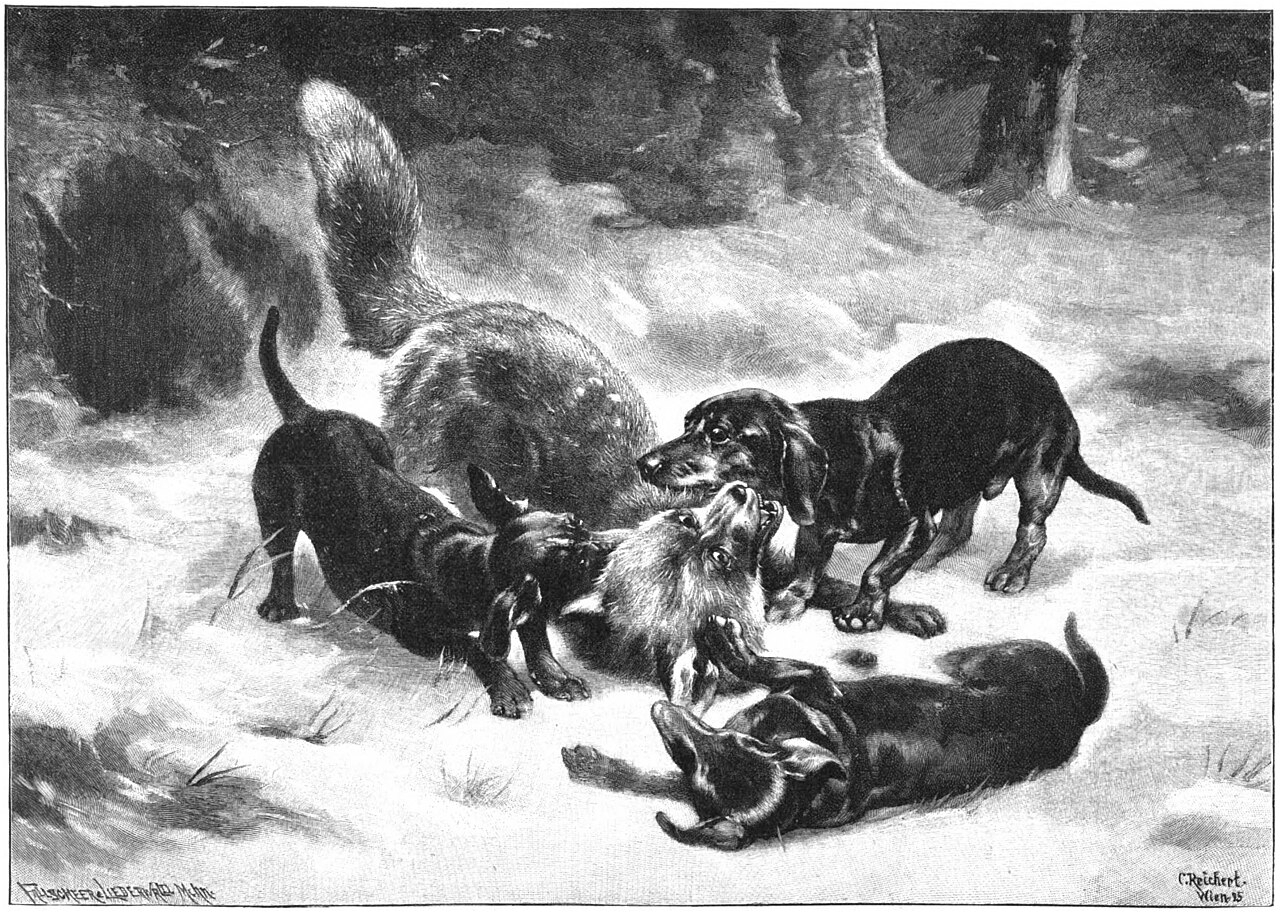
Stoke Park – Granted by King Charles I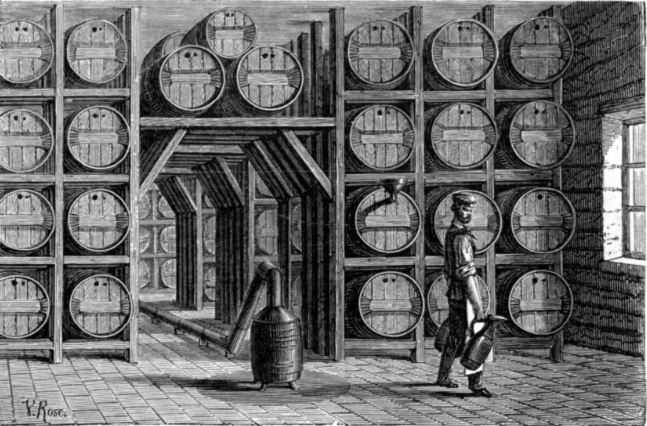
Making Apple Cider Vinegar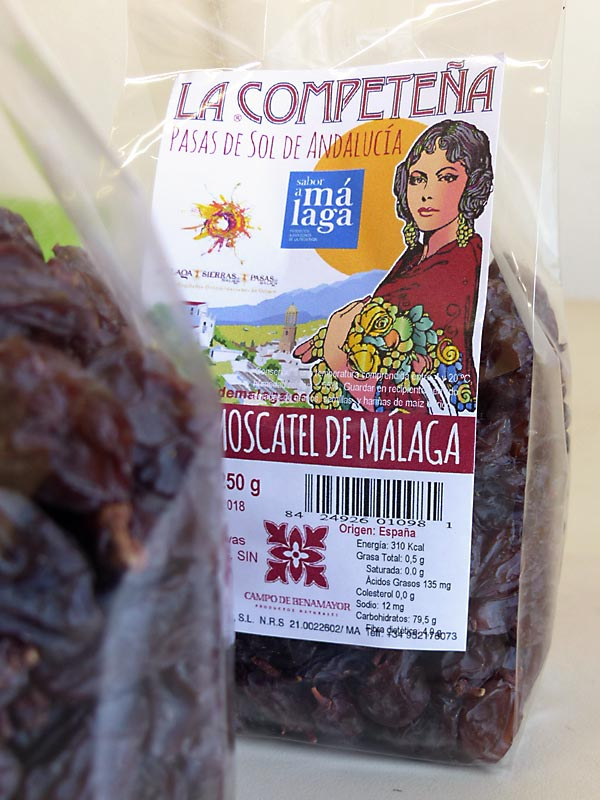
Palermo Wine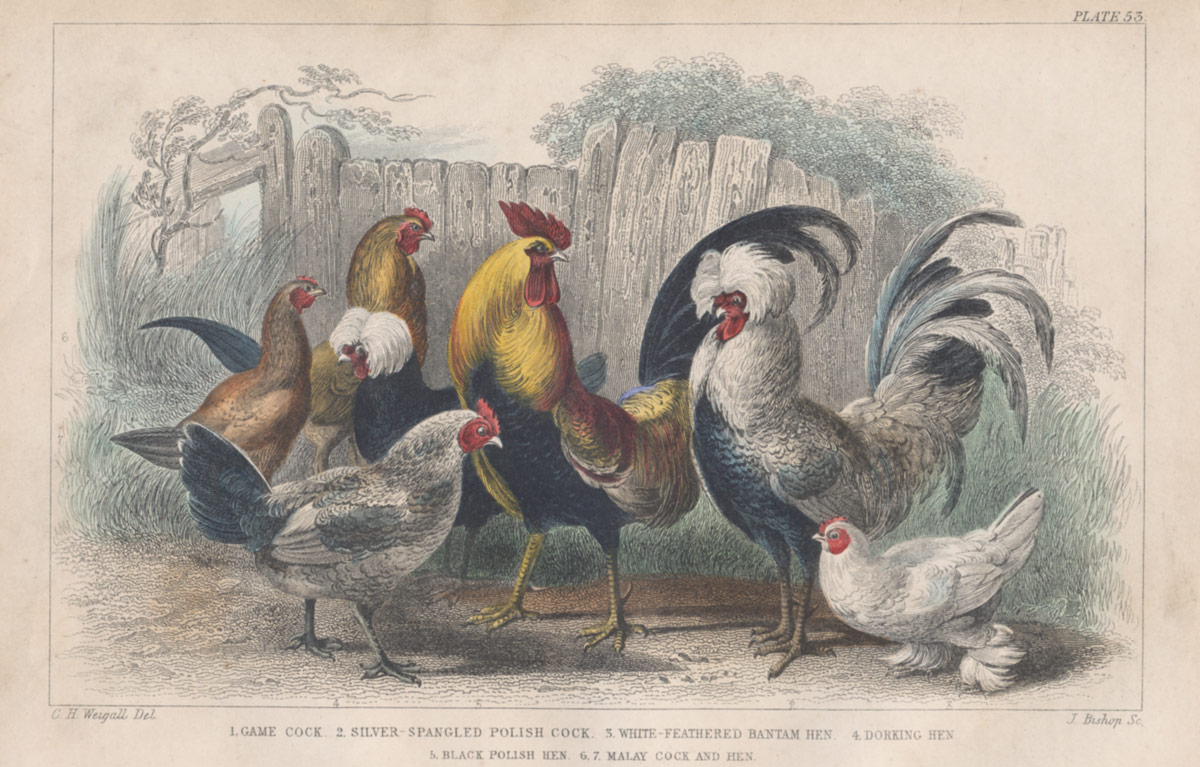
Mrs. Beaton’s Poultry & Game – Cooking Poultry; Baking and Boiling
Mocking Bird Food
Sir Joshua Reynolds – Notes from Rome
The Queen’s Printer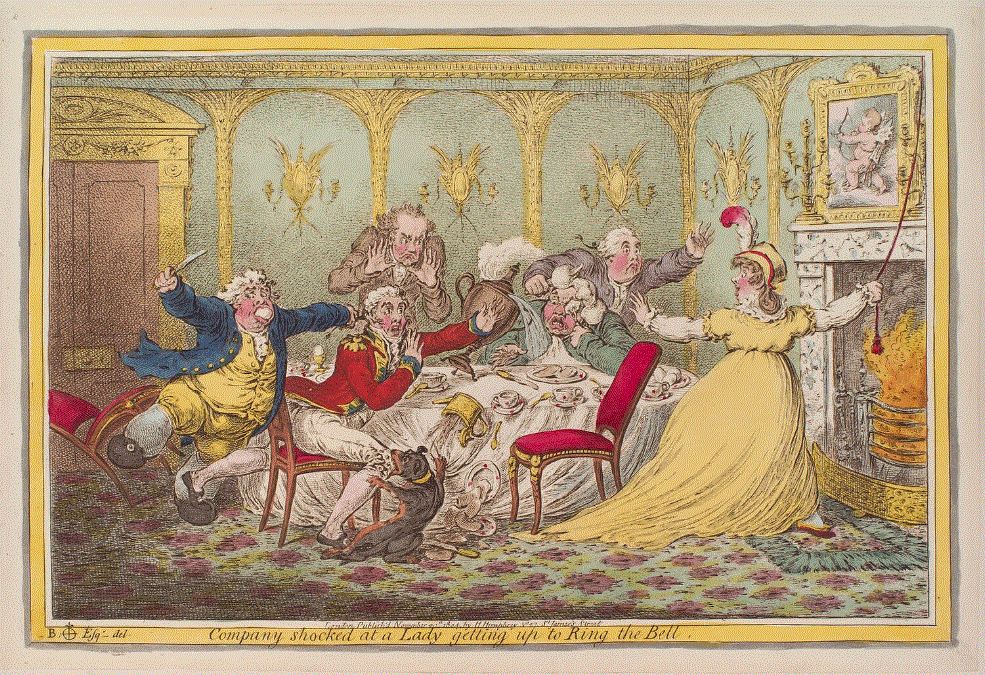
A Short Note on Manners for the Young Man Wishing to Make a Goodly Impression Whilst Avoiding Duels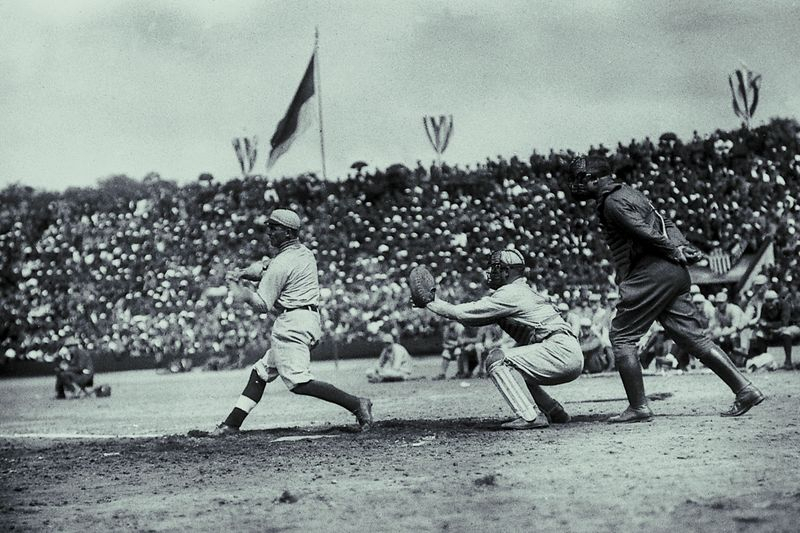
A Jar of Baseball Dreams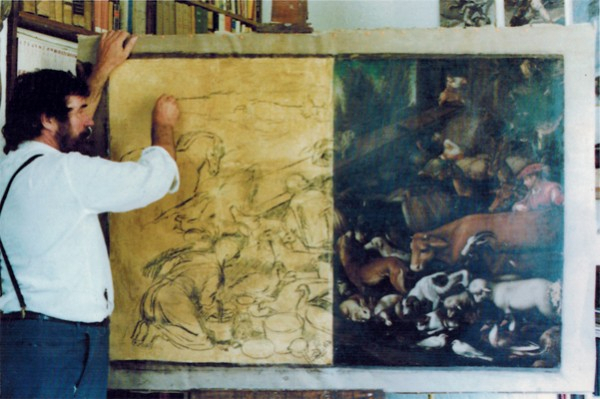
Books of Use to the International Art Collector
Blunderbuss Mai Tai Recipe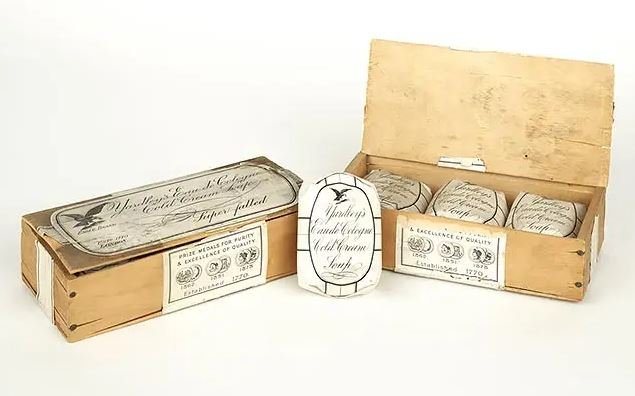
Cleaning Oil Paint Brushes with Linseed Oil and Yardley of London Shea Butter Soap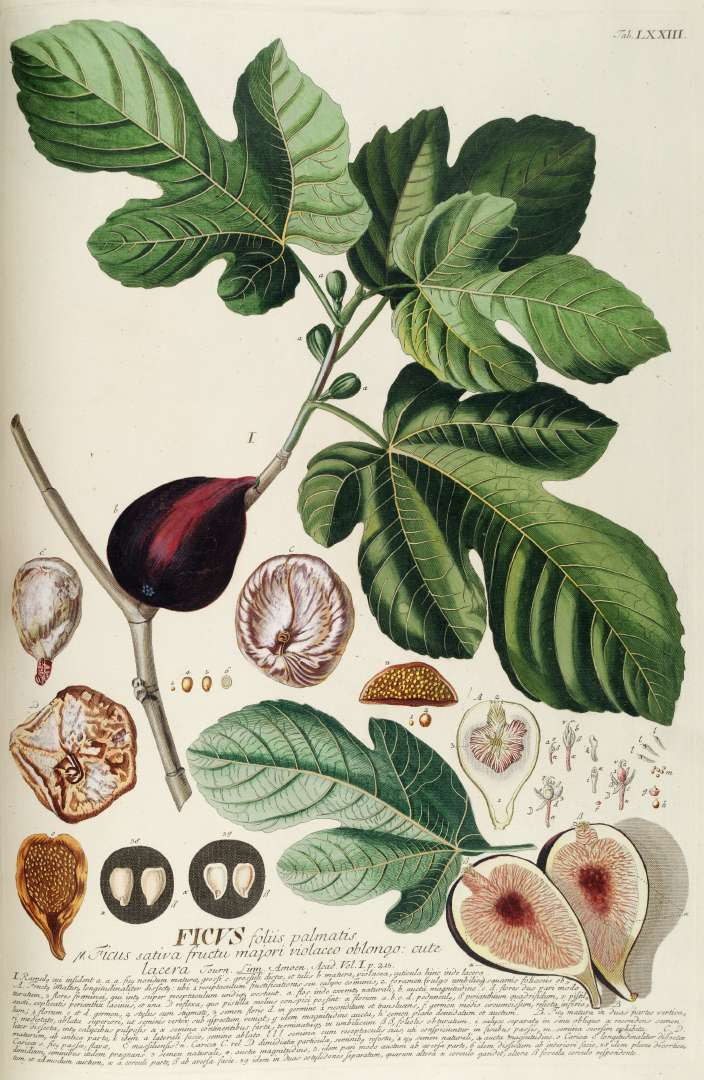
Hunter’s Fruit and Nut Bread – Apples, Cranberry, Dates, Figs, Apricots, Walnuts, Pecans, and Such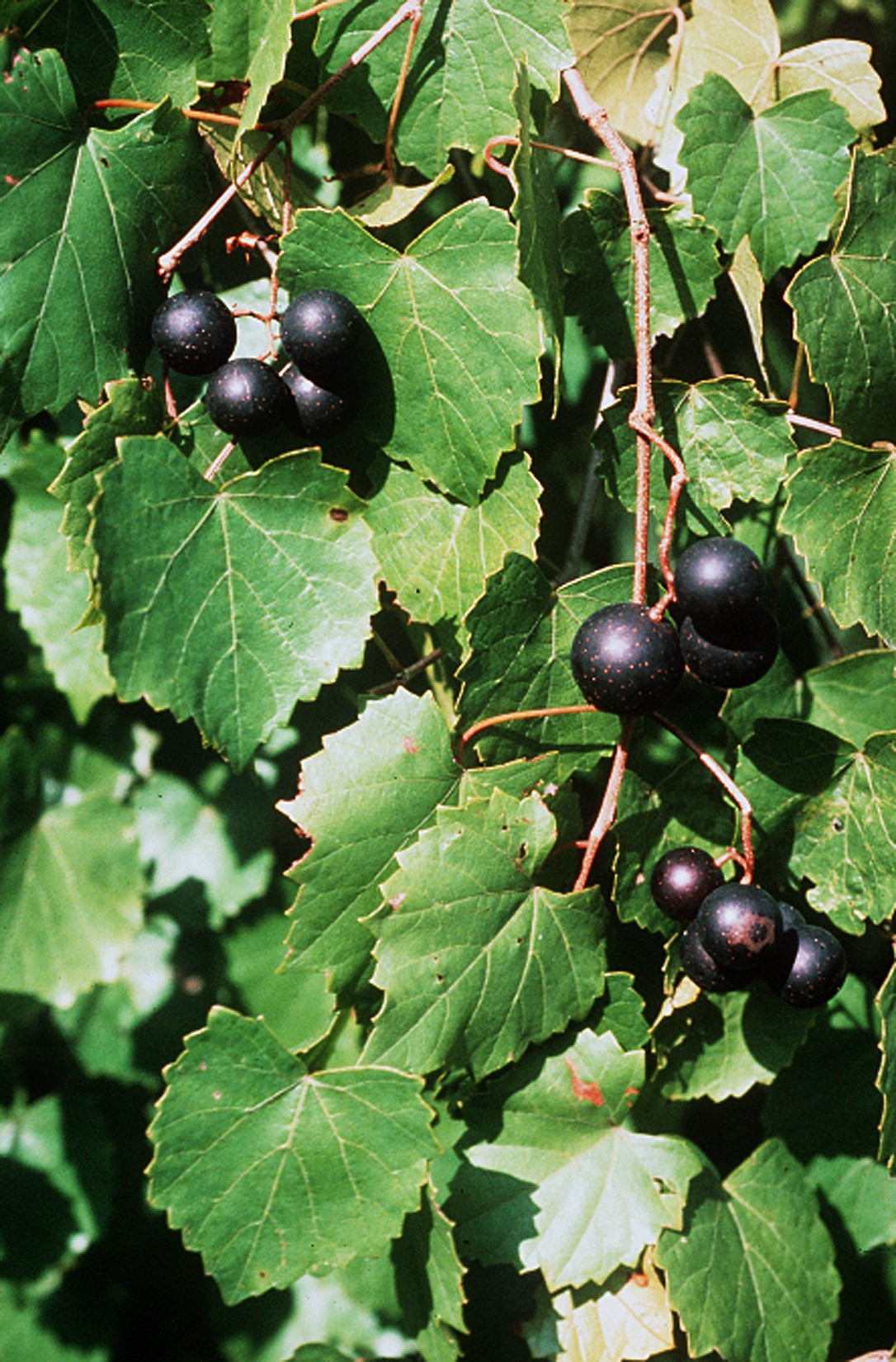
Muscadine Jelly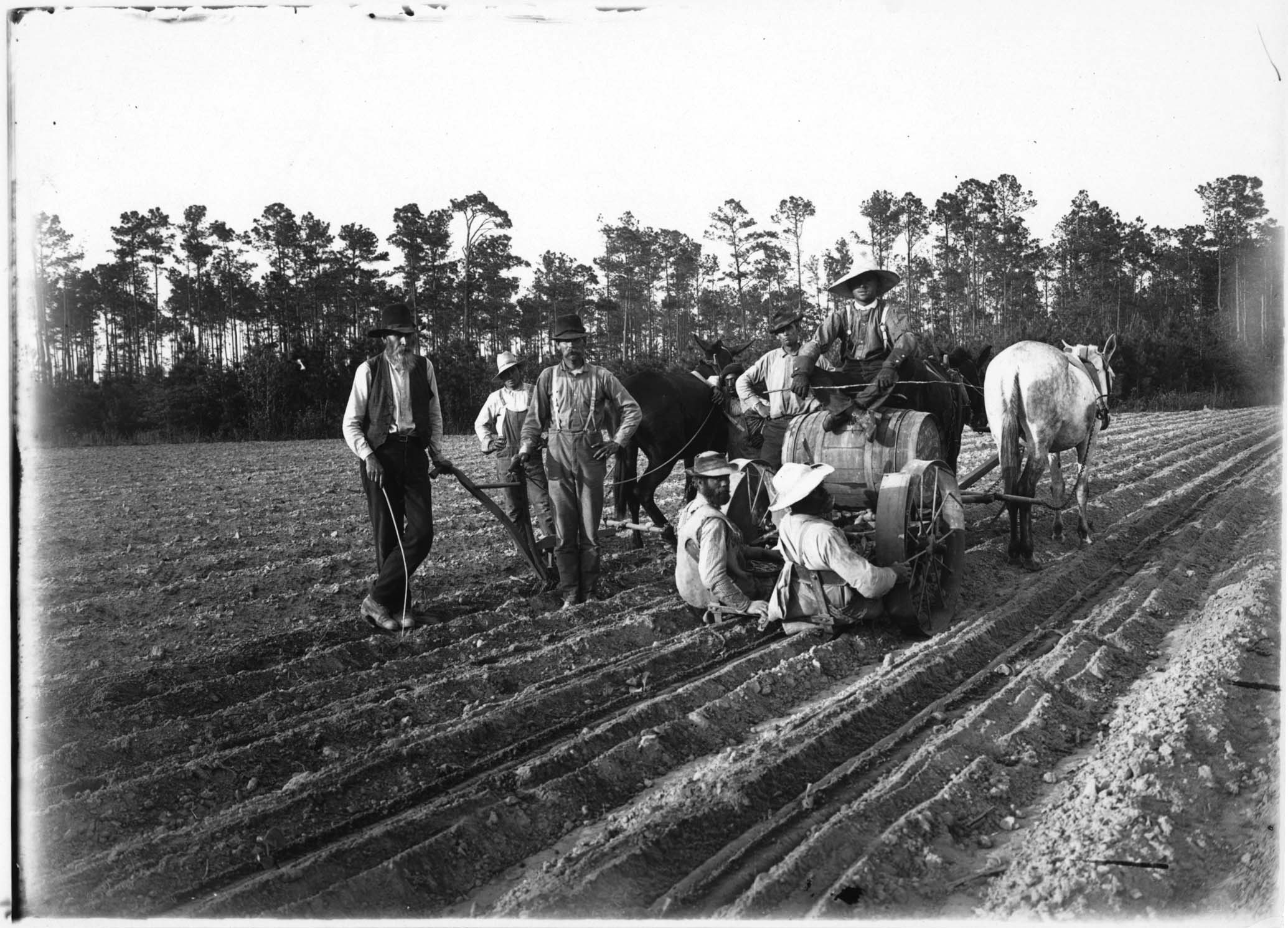
Producing and Harvesting Tobacco Seed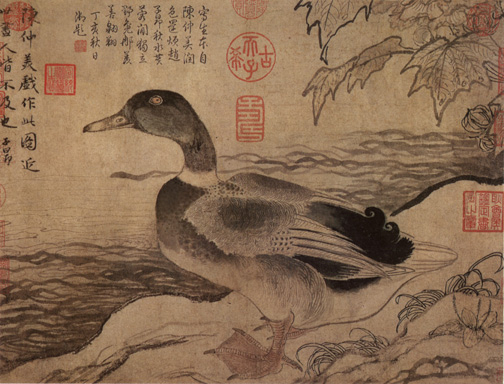
Chinese Duck Cooking – A Few Recipes
A History of Fowling – Ravens and Jays
Motel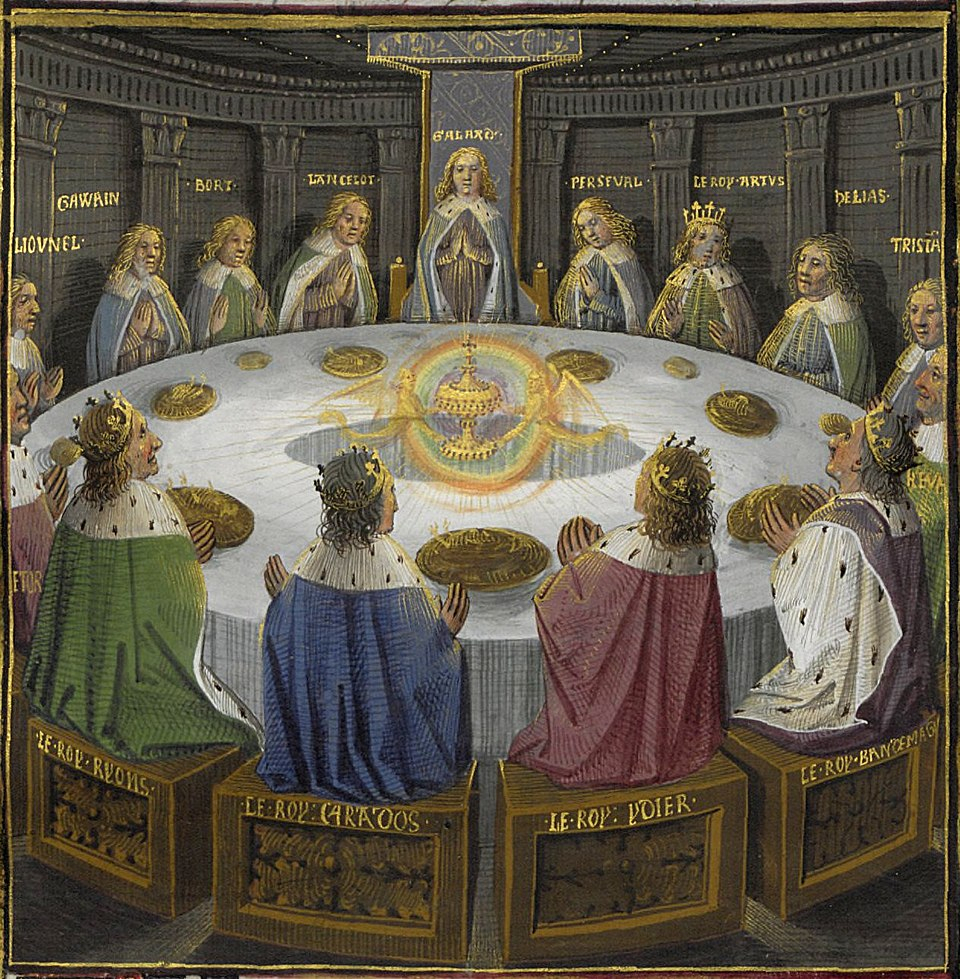
The Age of Chivalry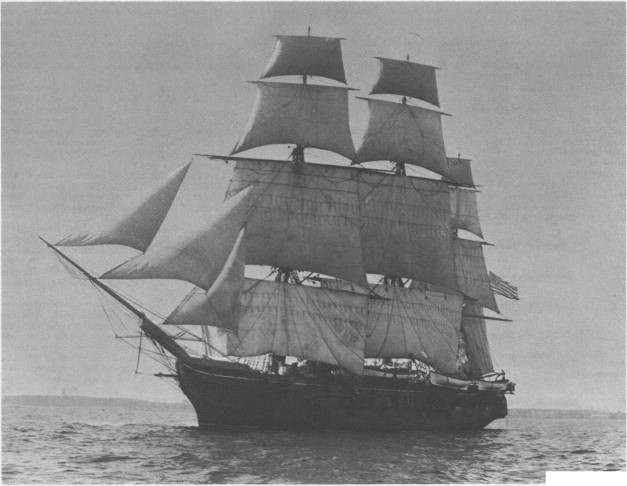
Parting Words to Kate from The Sloop of War, Jamestown
Pussy Willow Wielded a Real Broad Sword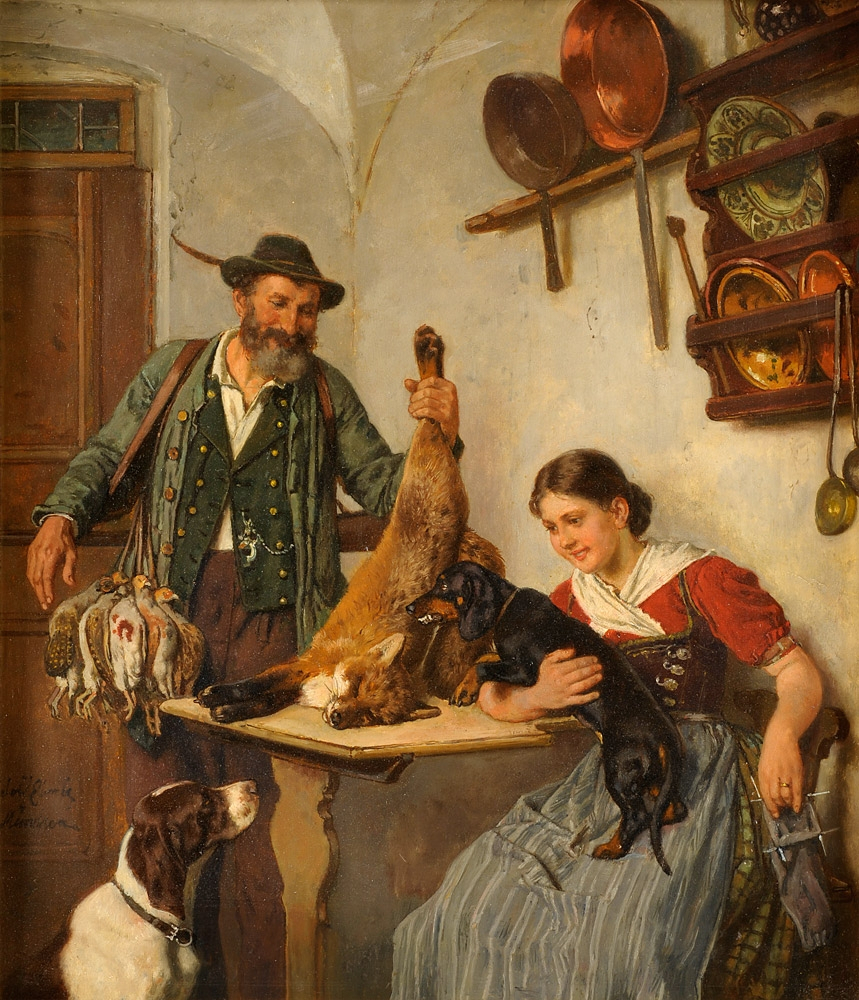
The Hunt Saboteur |
httpv://youtu.be/DNKfucd0HYo  Sir Joshua Reynolds by Gilber Stuart0-1784 SIR JOSHUA REYNOLDS‘ WORKING COLOURS, WITH THE ORDER IN WHICH THEY WERE ARRANGED ON HIS PALLETTE. “For painting the flesh, black, blue black, white, lake, carmine, orpiment, yellow ochre, ultramarine, and varnish. “To lay the pallette:—first lay carmine and white in different degrees: second, lay orpiment and white, ditto: third lay blue black and white, ditto. “The first sitting, make a mixture on the pallette for expedition, as near the sitter’s complexion as you can. Continue reading Sir Joshua Reynolds’ Memoranda on Painting – December 1755  Cannone nel castello di Haut-Koenigsbourg, photo by Gita Colmar Without any preliminary cleaning the bronze object to be treated is hung as cathode into the 2 per cent. caustic soda solution and a low amperage direct current is applied. The object is suspended with soft copper wires and is completely immersed into the solution. In case the object is very soft and fragile or completely mineralized, fine annealed copper wire is wrapped around the object, one to two turns per inch, and electrical connections are made with several turns of this wire. Where there is danger that object might not hold together upon the removal of the hard supporting shell, we have found it advisable to to pack the whole object in clean white sand, after making proper electrical connections, and then filling the containers with the caustic soda solution. Continue reading Method of Restoration for Ancient Bronzes and other Alloys  Como dome facade – Pliny the Elder – Photo by Wolfgang Sauber Work in Progress… THE VARNISHES. Every substance may be considered as a varnish, which, when applied to the surface of a solid body, gives it a permanent lustre. Drying oil, thickened by exposure to the sun’s heat or a fire, is a varnish and as such has often been employed. It is, however, probable that varnishes, composed of resins dissolved in oil, have been used in very ancient times. But it is beyond all doubt, that when the arts flourished in Greece, the composition of varnish had long been known in India, Persia, and China. It is not then to be supposed that the Greeks were unacquainted with this art. Yet such would have been the case if we give credit to a paragraph in Pliny, who tells us that Apelles was indebted for his unequalled colouring to the employment of a liquid which he calls “Atramentum,” with which he covered his pictures when they finished, and with which substance no other painter was acquainted. Pliny observes, “that there is in the pictures of Apelles a certain effect, that cannot be equalled, and that tone was obtained by means of atramentum, which fluid he passed over his pictures when the painting was completely finished. Continue reading Artist Methods  Pencil sketch of Sir Charles Lock Eastlake by John Partridge (Queen Victoria’s favourite portrait painter), 1825 From the work of Sir Charles Lock Eastlake entitled Materials for a history of oil painting, (London: Longman, Brown, Green, and Longmans, 1846), we learn the following: The effect of oil at certain temperatures, in penetrating “the minute pores of the amber” (as Hoffman elsewhere writes), is still more strikingly exemplified in an invention, or perhaps and old method revived, Christian Porschinen of Königsberg, at the close of the seventeenth century (June, 1691). He succeeded in rendering amber colourless, so as to employ it as substitute for magnifying glasses. Zedler ( Grosses vollständiges Univ. Lexicon, art. Bersteinerner Brenn-Spiegel) describes the process. The manufacturer placed the amber, already formed and polished for the intended use, in linseed oil exposed to a moderate fire, and suffered it to remain till it had entirely lost its yellow colour, and had become quite clear and transparent. Zedler states that lenses so prepared are more powerful than those made of glass in igniting gunpowder (welche viel schneller in Brennen and Pulver-anzunden sind als die glasernen). The same process was afterwards adopted for clarifying amber beads, so as to render them transparent like glass. The method is probably most successful when the substance is not very thick. For a further account of this invention Zedler refers to Hen. von Sanden, Disp. de Succino Electricorum principe, Königsberg, 1714. Dreme (Der Virniss-und Kittmacher) alludes to similar methods. “Amber boiled in linseed oil is softened so that it may be bent and compressed: opaque or clouded amber by this process becomes light and transparent. The oil should be heated gradually, otherwise, the pieces of amber are liable to crack. ” Such modes of clarifying amber might be employed with effect, preparatory to its solution by some of the means before indicated.
httpv://youtu.be/uOzpL_wLE74
Before meeting with an untimely death at the hand of an unknown assassin in Rome on January 11th, 1996, master forger Eric Hebborn put down on paper a wealth of knowledge about the art of forgery. In a book published posthumously in 1997, titled The Art Forger’s Handbook, Hebborn suggests the following three books as being the cornerstone to any good art forger’s library:
Thus it would stand to reason that the same books should be of great interest to the international art collector.
httpv://youtu.be/XO2kpPGdo9I
The holder of the letters patent has the nearly exclusive right of printing, publishing and importing the King James Bible and Book of Common Prayer within the United Kingdom’s jurisdiction. There are three exceptions which apply to this right. One is that the office of Queen’s Printer only extends to England, Wales and Northern Ireland. Within Scotland the rights to the King James Bible are administered for the Crown by the Bible Board, which holds the office of Her Majesty’s sole and only Master Printers and which licenses the printing of the Bible, New Testament and Book of Psalms. The other two exceptions are that separate sets of letters patent grant the Oxford University Press and Cambridge University Press the right to print and distribute the King James Bible and Book of Common Prayer regardless of who holds the office of Queen’s Printer. The current holder of the office of Queen’s Printer is Cambridge University Press. The Controller of HMSO is appointed by Letters Patent to the office of Queen’s Printer of Acts of Parliament. Section 92 of the Scotland Act 1998 establishes the office of Queen’s Printer for Scotland, and provides for it to be held by the Queen’s Printer of Acts of Parliament. The Queen’s Printer for Scotland is responsible for administering Crown copyright in Acts of the Scottish Parliament, Scottish subordinate legislation and works made by the Scottish Administration.
FORMULAS FROM VARIOUS SOURCES. Pineapple Frappe. Water, 1 gallon; sugar 2 pounds of water. 61/2 pints, and simple syrup. 2 1/2 pints; 2 pints of pineapple stock or 1 pint of pineapple stock and 1 pint of grated pineapple juice of 6 lemons. Mix, strain and freeze. Roman Sour. Wild cherry syrup, 1 ounce; lime juice 1/2 ounce, and the half of a fresh lime. Place in a suitable glass, and cracked ice and fill the glass with carbonated water. Top off with a maraschino cherry and a toothpick. Hot Weather Delight. Into a 10-ounce glass place half an ounce of strawberry syrup, half an ounce of raspberry syrup, half an ounce of grape syrup, one egg, one and a half ounces of plain cream. quarter glassful shaved ice. Continue reading Formulaes for Re-Creating the Old-Fashioned Drug Store Counter
To Clean Watch Chains. Gold or silver watch chains can be cleaned with a very excellent result, no matter whether they may be matt or polished, by laying them for a few seconds in pure aqua ammonia; they are then rinsed in alcohol, and finally. shaken in clean sawdust, free from sand. Imitation gold and plated chains are first cleaned in benzine, then rinsed in alcohol, and afterwards shaken in dry sawdust. Genuine gold chains are first dipped in the following pickle: Pure nitric acid is mixed with concentrated sulphuric acid in the proportion of ten parts of the former to two parts of the latter; a little table salt is added. The chains are boiled in this mixture, then rinsed several times in water, afterward in alcohol, and finally dried in sawdust.
STORE MANAGEMENT—THE SHIRK. THE shirk is a well-known specimen of the genus homo. His habitat is offices, stores, business establishments of all kinds. His habits are familiar to us, but a few words on the subject will not be amiss. The shirk usually displays activity when the boss is around, and masterful inactivity when the boss is out of sight. Some times he makes a pretense of working, for the benefit of his fellow clerks. Now and then he comes out boldly and loafs openly, except on those occasions when the boss is in the neighborhood and perhaps not feeling any too indulgent. The shirk is quick to detect these changes in the official barometer. The shirk, of course, is always the last one at work and the first to depart. He takes all the sick leave permissible and generally manages to get a few days extra. Continue reading The Shirk – An Old but Familiar Phenomena
httpv://youtu.be/zezADwoySOY
ORIGIN OF THE APOTHECARY. The origin of the apothecary in England dates much further back than one would suppose from what your correspondent, “A Barrister-at-Law,” says about it. It is true he speaks only of apothecaries as a distinct branch of the medical profession, but long before Henry VIII’s time they were recognized as a distinct branch, though the distinction may not have been a legal one. The earliest mention I remember to have seen in English of an apothecary is one I have cited before in these notes, from Bardsley’s “English Surnames.” In 1273, says Bardsley, “the Mayor of York was one John Le Espicer, aut Apotecarius.” Here “spicer” and “apothecary”‘ appear to be convertible terms, but it is clear, from the passage in Chaucer alone. “Ful redy hadde he hise apothecaries,” that these were a distinct class, and Caxton distinguishes the “physician, spicer, apotiquare” from one another. In England as in France, “Qui est espicier n’est pas apothicaire, et qui est apothicaire est espicier,” and as time went on the difference between them grew, the apothecaries confining themselves particularly to drugs. Your correspondent is rather unfair to the apothecarics when he says, speaking of them as a separate class, that they began as quacks. They began as assistants to the physicians. Earle, in describing the physician of his day, speaks repeatedly of “his” apothecary’s shop. They were subject to the supervision of the physicians, and stood to them in much the relation enjoined by the law of the Emperor Frederick II. regulating medical practice in the Sicilies.—Chem. & Drug., Sept. 1921
httpv://youtu.be/YNY9KZPM1MM
Mocking Bird Food.
Furniture Polishing Cream.
Dissolve the soap in the lye with the aid of heat; add this solution all at once to the warm solution of the wax in the oil. Beat the mixture until a smooth cream is formed, and gradually beat in the water until the whole is completely emulsified.
Cleaner for Gilt Frames.
Smith, Charles Loraine; The Billesdon Coplow Run *note – Billesdon and Billesden have both been used to name the hunt. BILLESDEN COPLOW POEM [From “Reminiscences of the late Thomas Assheton Smith, Esq”] The run celebrated in the following verses took place on the 24th of February, 1800, when Mr. Meynell hunted Leicestershire, and has since been known as the Billesden Coplow Run. It will only cease to interest, says a writer in the Sporting Magazine, when the grass shall grow in winter in the streets of Melton Mowbray. They found in the covert from which the song takes its name, thence to Skeffington Earths, past Tilton Woods, by Tugby and Whetstone, where the field, as many as could get over, crossed the river Soar. Thence the hounds changing their fox, carried a head to Enderby Gorse, where they lost him, after a chase of two hours and fifteen minutes, the distance being twenty-eight miles. Continue reading The Billesden Coplow Run
 Vintage woodcut illustration of a Eel This dish is a favorite in Northern Europe, from the British Isles to Sweden. Clean and skin the eels and cut them into pieces about 3/4-inch thick. Wash and drain the pieces, then dredge in fine salt and allow to stand from 30 minutes to 1 hour. Rinse off the salt, wipe the pieces dry, and rub them with a cut glove of garlic. Brush the eel with melted butter and broil until both sides are light brown. As an alternative, pieces may be sautéd in olive oil or other good salad oil. Place the pieces of cooked eel on absorbent paper. When the pieces are cool, pack them in layers in a crock with a scattering of sliced onion, allspice, bay leaves, mustard seed, whole cloves, peppers, and mace between the layers of fish. Continue reading Pickled Eels
To Choose Poultry. When fresh, the eyes should be clear and not sunken, the feet limp and pliable, stiff dry feet being a sure indication that the bird has not been recently killed; the flesh should be firm and thick and if the bird is plucked there should be no discoloration of the skin. Young male birds are considered the best. Chickens, —The flesh of young chickens is the most delicate and easily assimilated of animal foods, which makes it especially suitable for invalids and persons whose digestion is weak. Few animals undergo so great a change with regard to the quality of their flesh as the domestic fowl. When quite young, cocks and hens are equally tender, but as chickens grow older the flesh of the cock is the first to toughen, and a cock a year old is fit only for conversion into soup. A hen of the same age affords a substantial and palatable dish. This rule respecting age does not apply to capons, which when well-fed and well-dressed for the table, are surpassed by few animals for delicacy of flavour. Even when three years old the capon is as tender as a chicken, with the additional advantage that his proper chicken flavour is more fully developed. The above remarks are applicable only to capons naturally fed and not crammed. The latter process may produce a handsome-looking and heavy bird, but when tested by cooking its inferiority will be only too apparent. As a rule, small-boned and short-legged poultry are generally found to be the more delicate in colour, flavour and fineness of flesh. Continue reading Mrs Beaton’s Poultry & Game – Choosing Poultry
” Here’s many a year to you ! Here’s to the best of you ! 1908. RH Carlisle |

A Conversation between H.F. Leonard and K. Higashi
Sir Peter Francis Bourgeois and the Dulwich Picture Gallery
Money Saving Recipe for Gold Leaf Sizing
Chantry Chapels
Sir Joshua Reynolds – Notes from Rome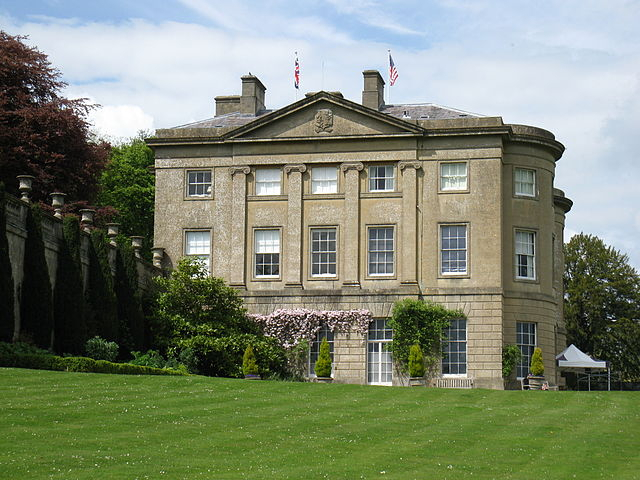
The American Museum in Britain – From Florida to Bath
Prairie Steel and Golden Lace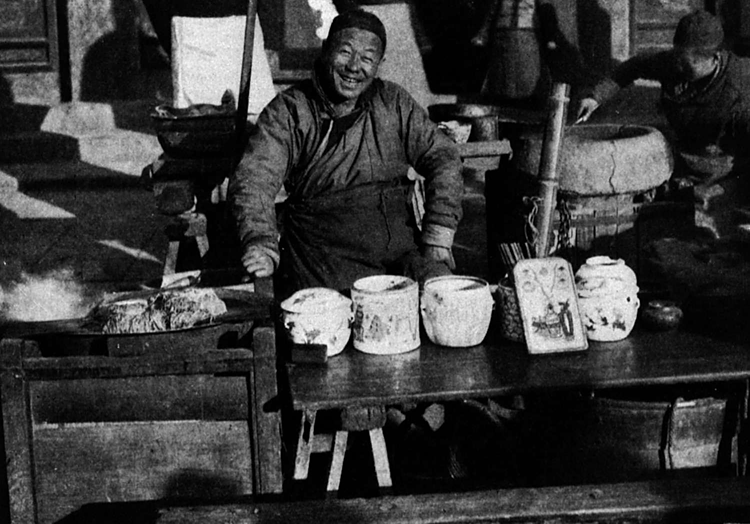
Chinese 9 Course Dinner
Pussy Willow Wielded a Real Broad Sword
The Last Surfer in California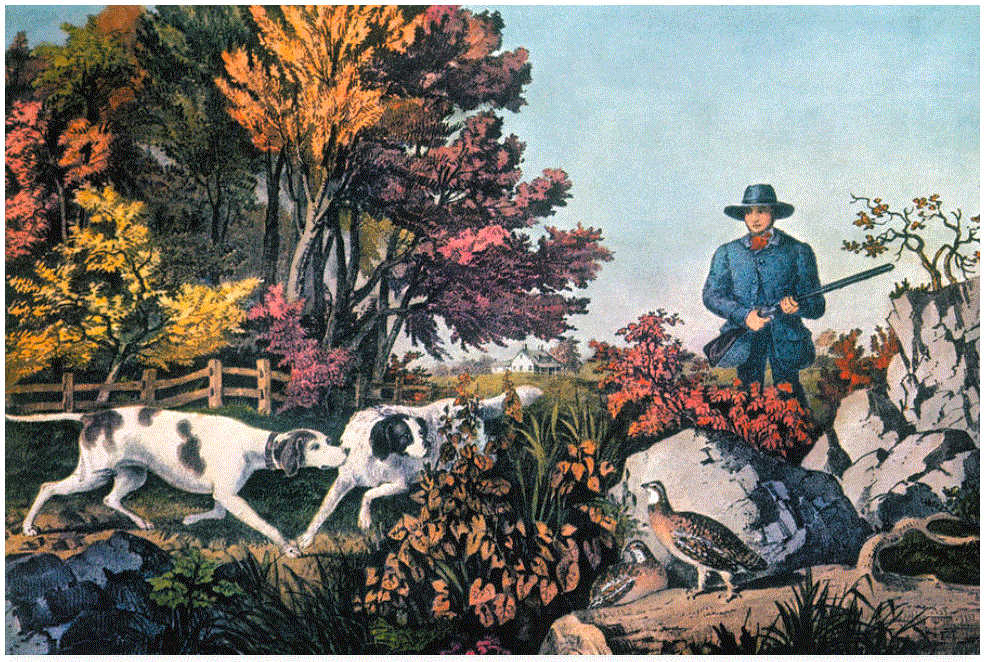
The Fowling Piece – Part I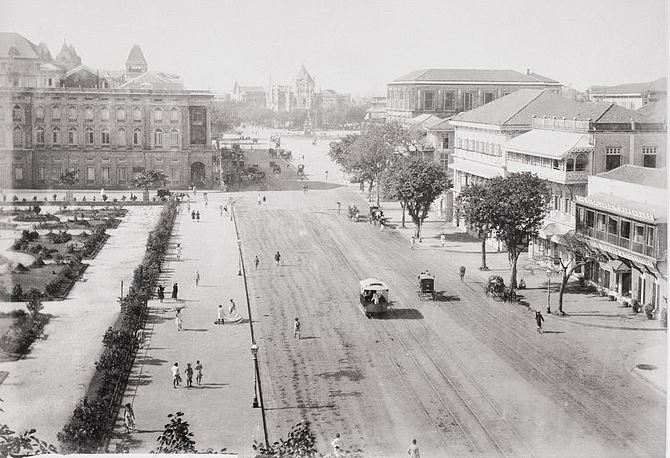
Slaughter in Bombay
Audubon’s Art Method and Techniques
Clover Wine
Shipmates
Producing and Harvesting Tobacco Seed
The Red-Headed Macaw
Carpenters’ Furniture
Storing Drinking Water in Copper Vessels for Microbial Purification
The Famous Kilkenny Hunt – 1930
The Shirk – An Old but Familiar Phenomena
The Damp Dark Plight of Rainy Day Books
Mrs. Beaton’s Poultry & Game – Cooking Poultry; Baking and Boiling
Thomas Jefferson Correspondence – On Seed Saving and Sharing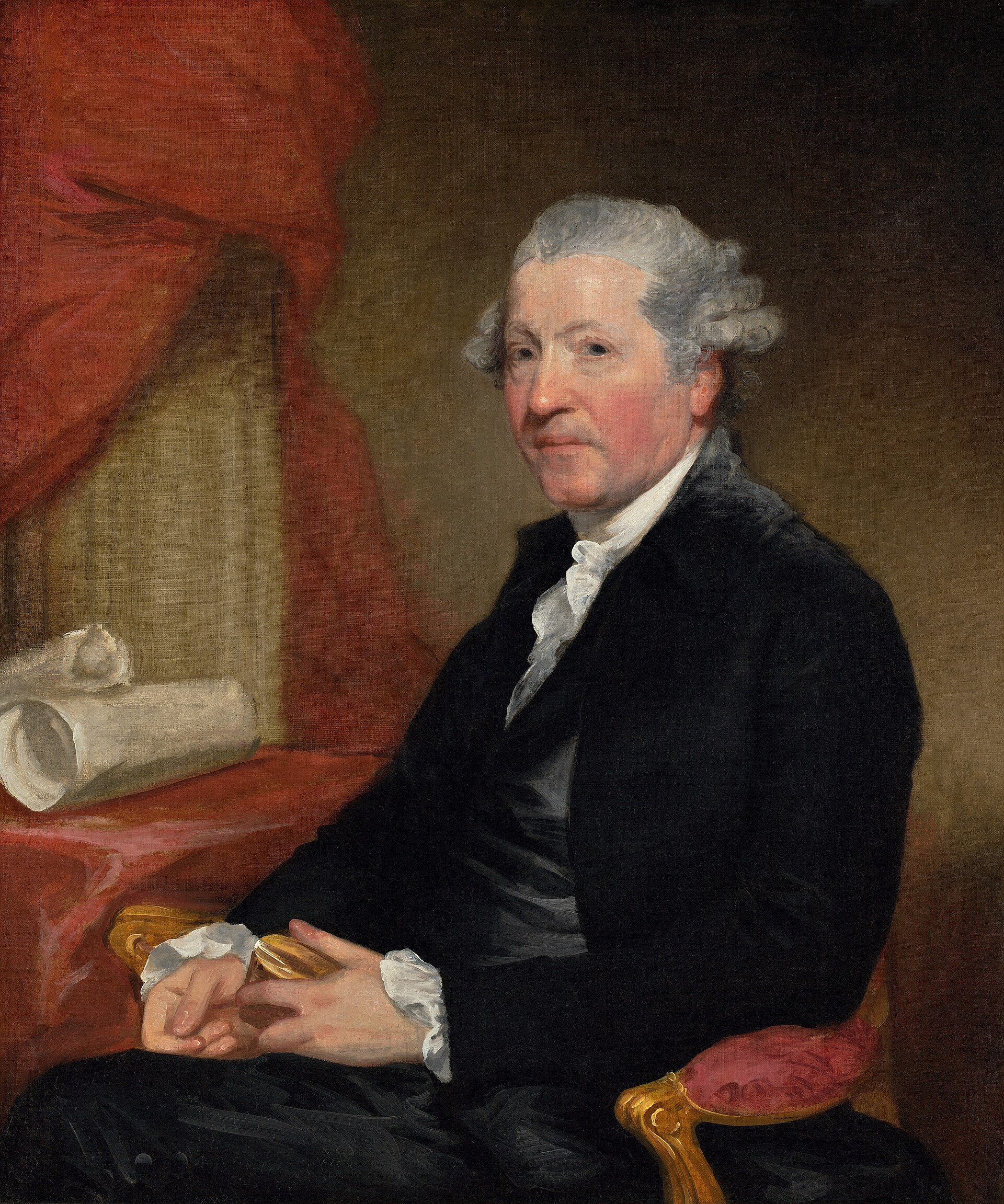
Sir Joshua Reynolds’ Memoranda on Painting – December 1755
A History of the Use of Arsenicals in Man
Proper Wines to Serve with Food
Cup of Tea? To be or not to be![50 Watt 4 Stage Hi-Fidelity Power Amplifier Circuit and Parts List [The Basic Schematic of Most Low Cost Tube Guitar Amps Made Today]](https://countryhouseessays.com/wp-content/uploads/2026/02/5R4GYB-Tube.gif)
50 Watt 4 Stage Hi-Fidelity Power Amplifier Circuit and Parts List [The Basic Schematic of Most Low Cost Tube Guitar Amps Made Today]
Rendering Amber Clear for Use in Lens-Making for Magnifying Glass
King William III on Horseback by Sir Godfrey Kneller
Land of Hope and Glory: British Country Life – Fox Hunting
Shooting in Wet Weather
Reading Glasses
Ought King Leopold to be Hanged?
Clairvoyance – Methods of Development
A General Process for Making Wine
Parting Words to Kate from The Sloop of War, Jamestown
Palermo Wine
Artist Methods
Kenilworth by Sir Walter Scott
Fox Hunting Season Opens 1935 – Heythrop Country at Lower Swell, near Stow-in-the-Wold, Gloucestershire
Furniture Polishing Cream
The Hardwood Handbook – An Illustrated Guide to Appalachian and Southern Lumber
Penal Methods of the Middle Ages
Origin of the Apothecary
Motel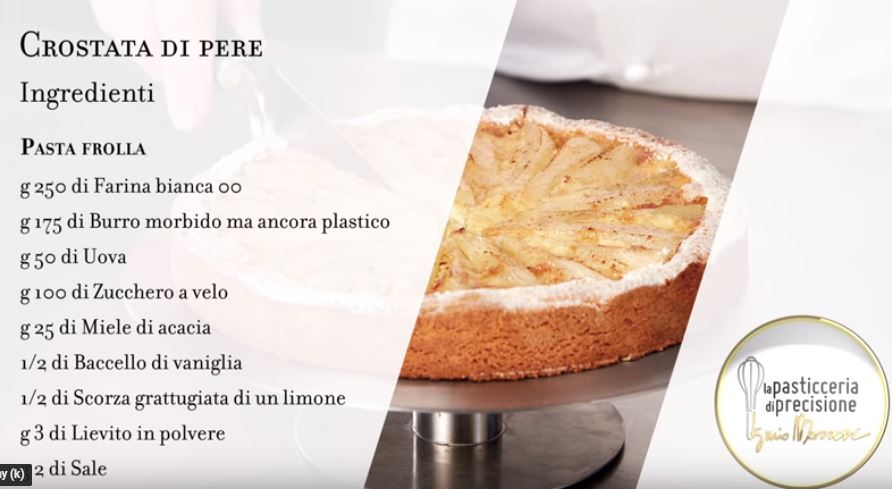
Italian Tart Recipe
On Exquisite Statuary for the Fine Country Home: “I Can Get’em at the British Museum”
Wine Making
Flawed Law – The Hunting Act
The History of Witchcraft in England – The Beginnings
Matter of Britain
The Master of Hounds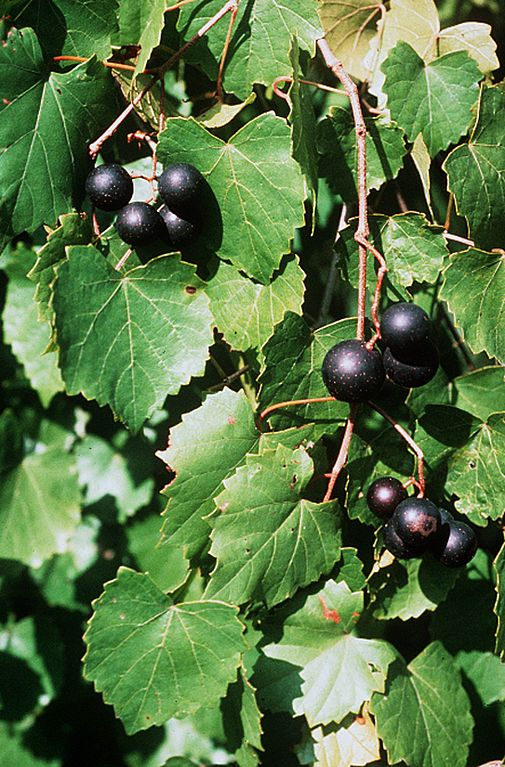
Growing Muscadine Grapes in Tennessee
The Queen’s Printer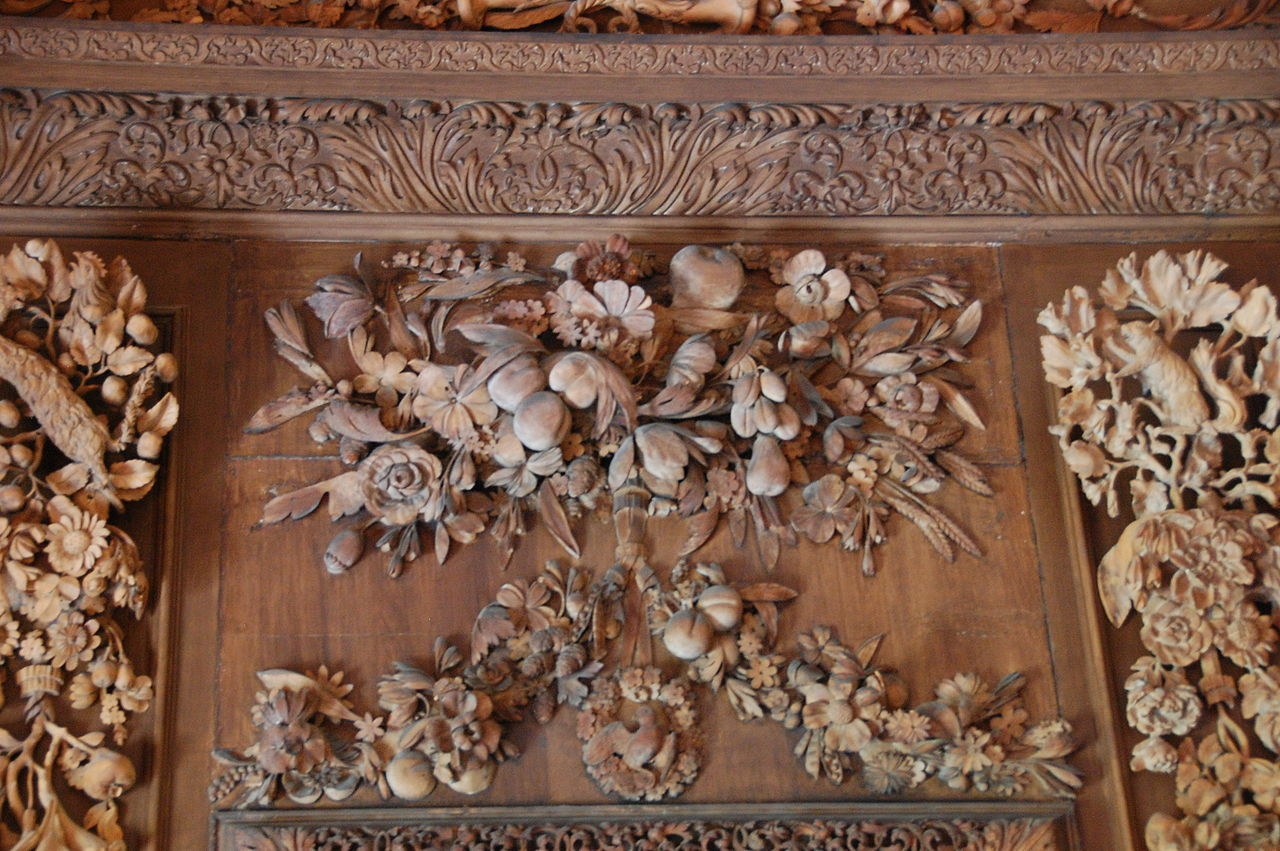
The English Tradition of Woodworking
Shipping Fish Three Thousand Miles to Market
Salmon Caviar
AB Bookman’s 1948 Guide to Describing Conditions
Pickled Eels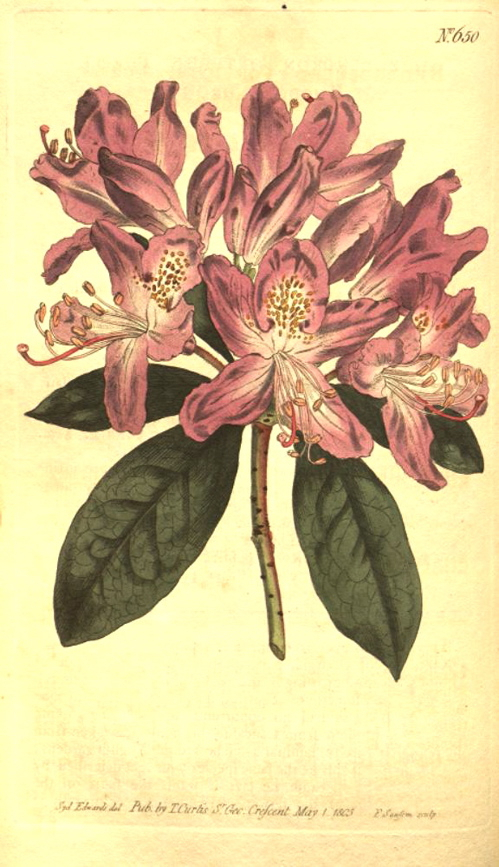
Herbal Psychedelics – Rhododendron ponticum and Mad Honey Disease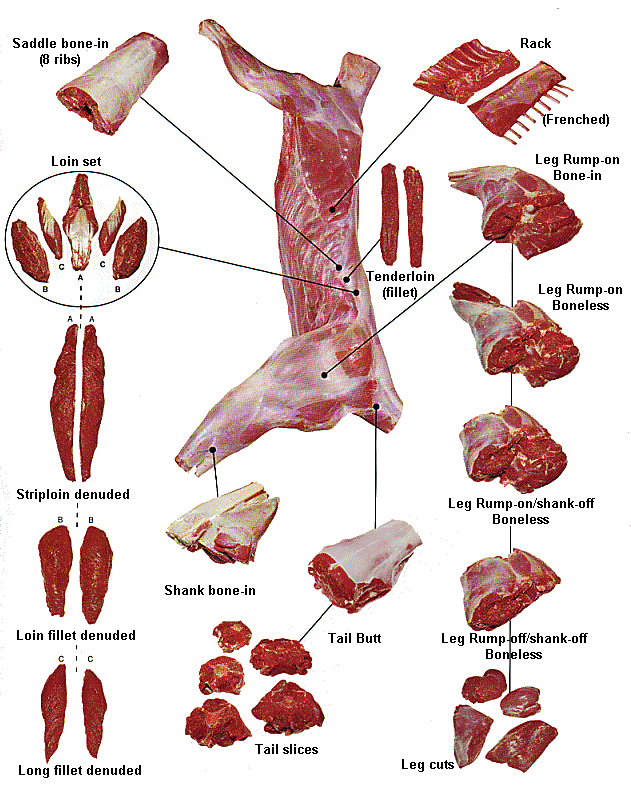
Recipes From Down Under: Kangaroo Cuts
U.S. Coast Guard Radio Information for Boaters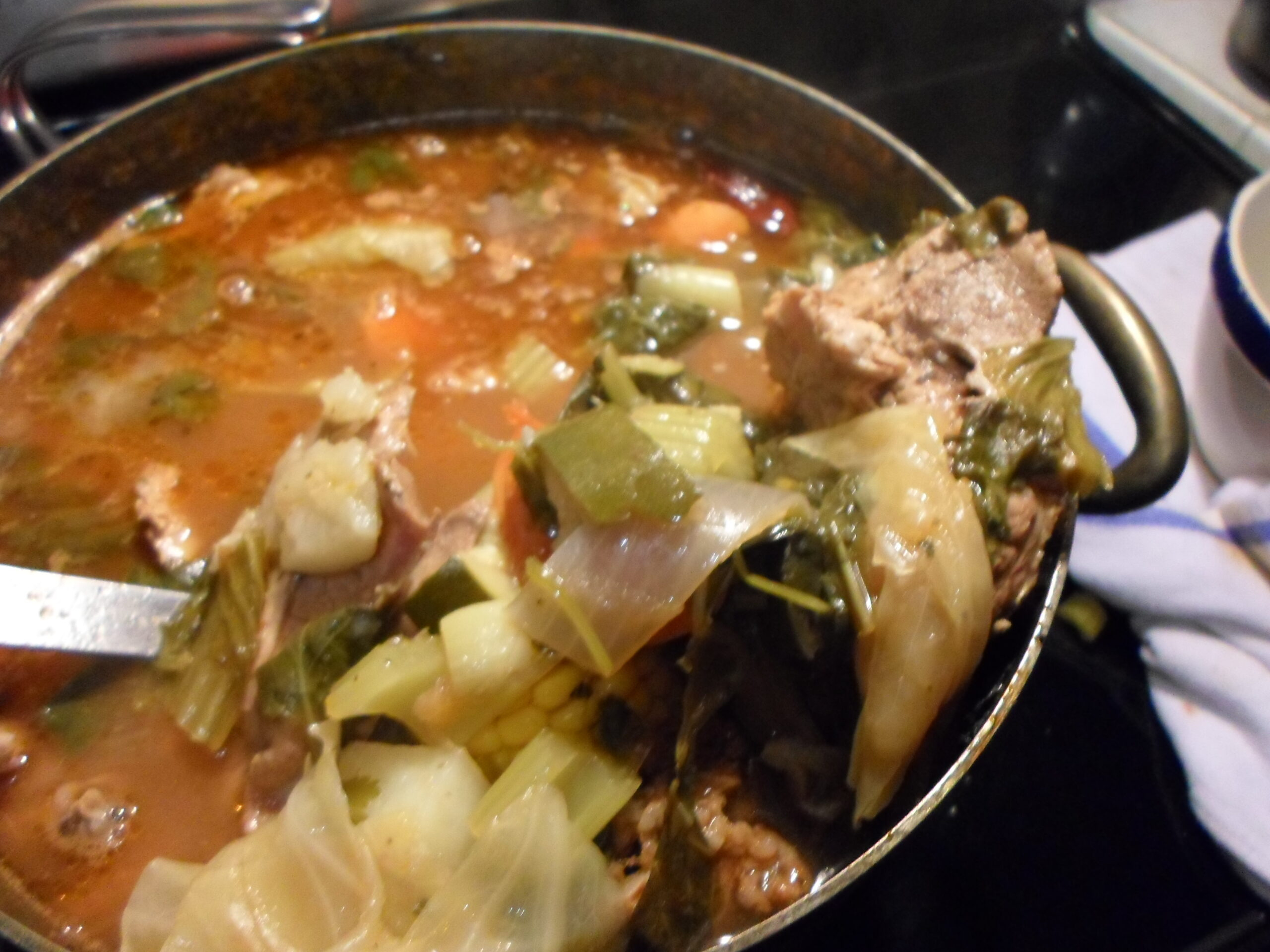
Country Cabbage and Pea Soup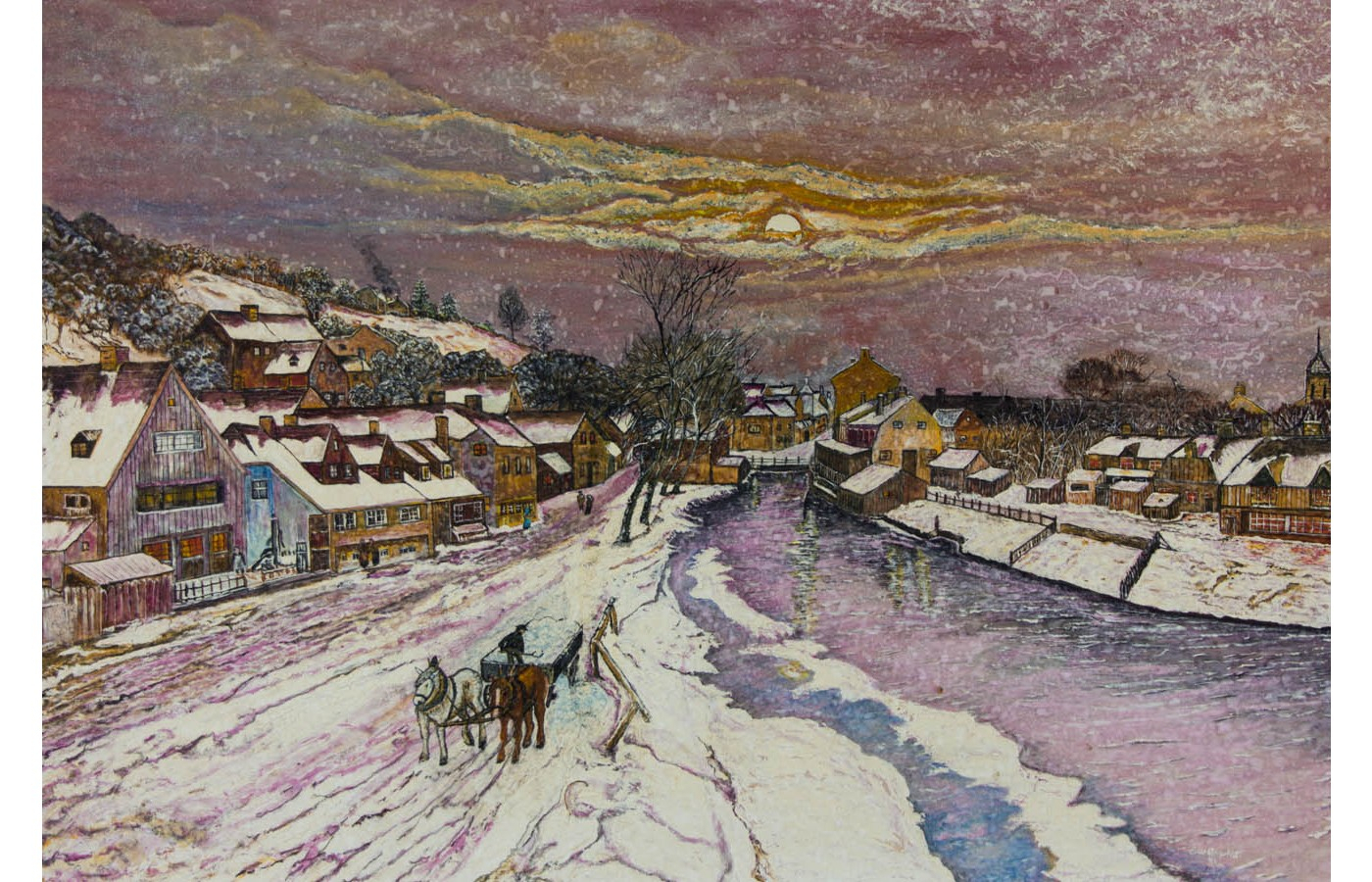
The Warmth of a Country Christmas
A Summer Memory
Cleaning Oil Paint Brushes with Linseed Oil and Yardley of London Shea Butter Soap
A Day of Foxhunting in Maryland
History of Regulation of Stock Exchange Specialists
Mrs Beaton’s Poultry & Game – Choosing Poultry
A History of Fowling – Ravens and Jays
The Intaglio Processes for Audubon’s Birds of America
Gallop of the Common Horse by Eadweard Muybridge 1887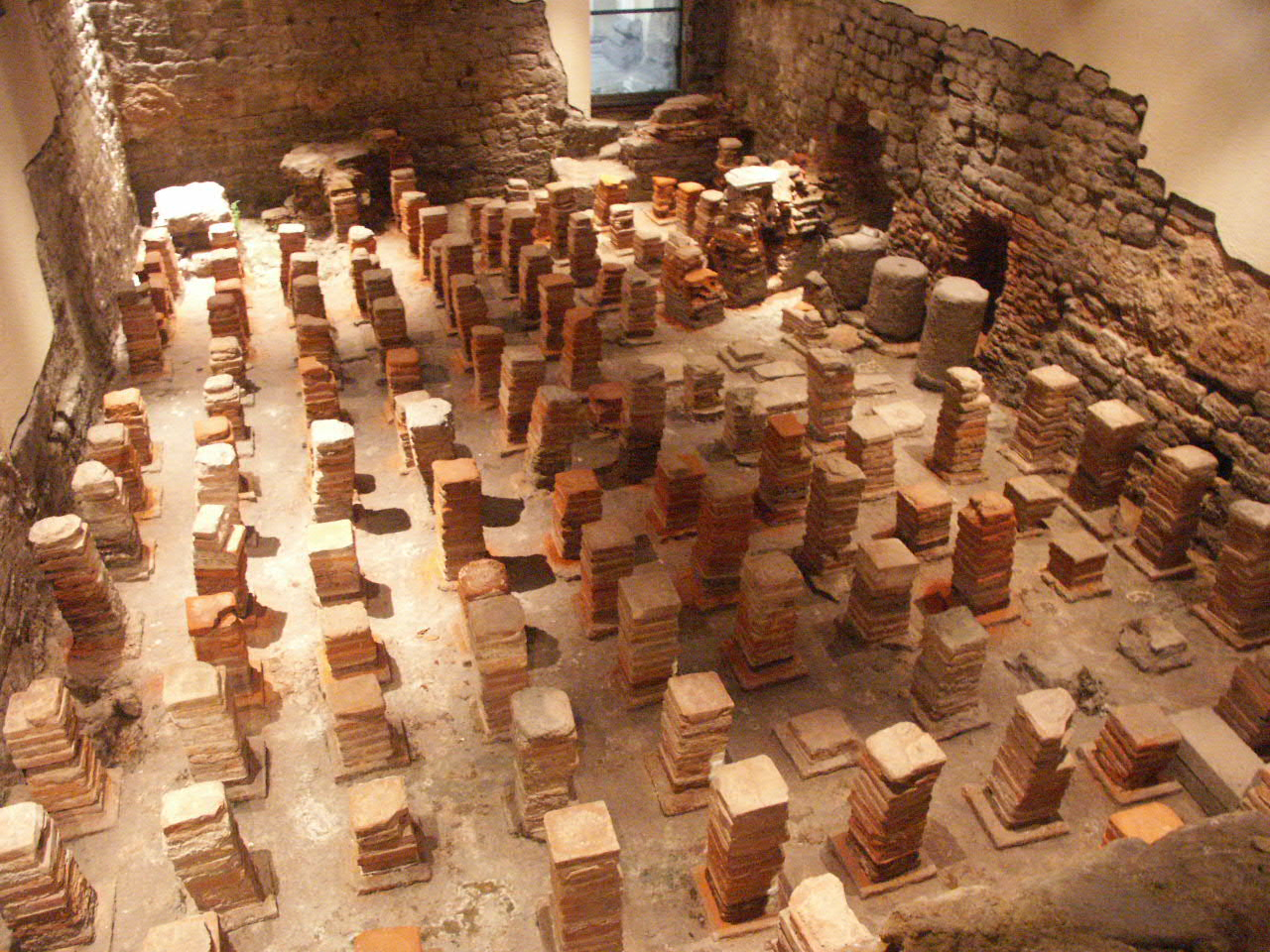
Temples, Walls, And Some of the Roman Antiquities of Bath
A Short Note on Manners for the Young Man Wishing to Make a Goodly Impression Whilst Avoiding Duels
Texas Tea
The Relation of Chemistry to the progress of Wine Making, Brewing, and Distilling
What is the Meaning of the Term Thorough-bred Fox-hound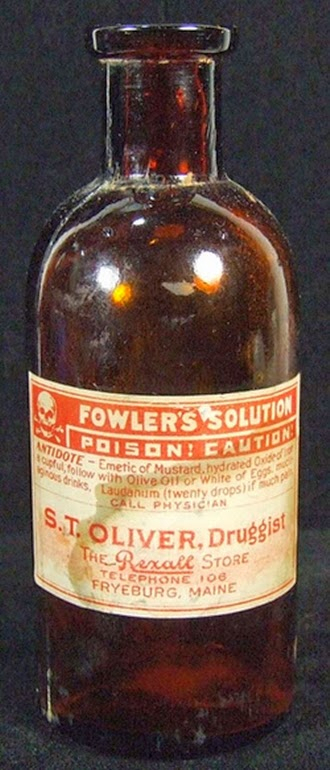
Historical Uses of Arsenic
Antibiotic Properties of Jungle Soil
Cleaner for Gilt Picture Frames
Tobacco as Medicine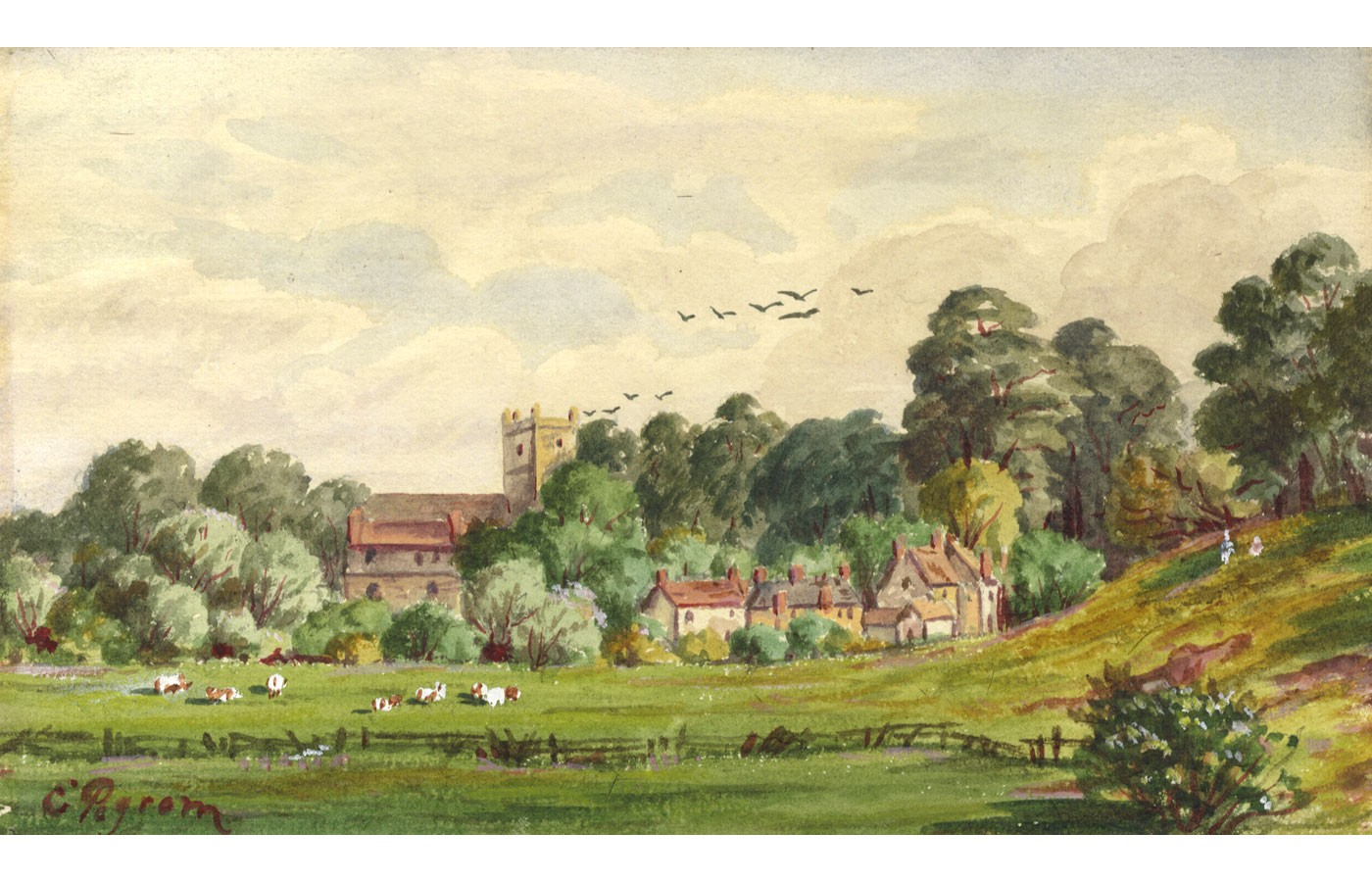
The Human Seasons
The Cremation of Sam McGee
Wood Finishing – Blistering, Peeling, and Cracking of House Paints from Moisture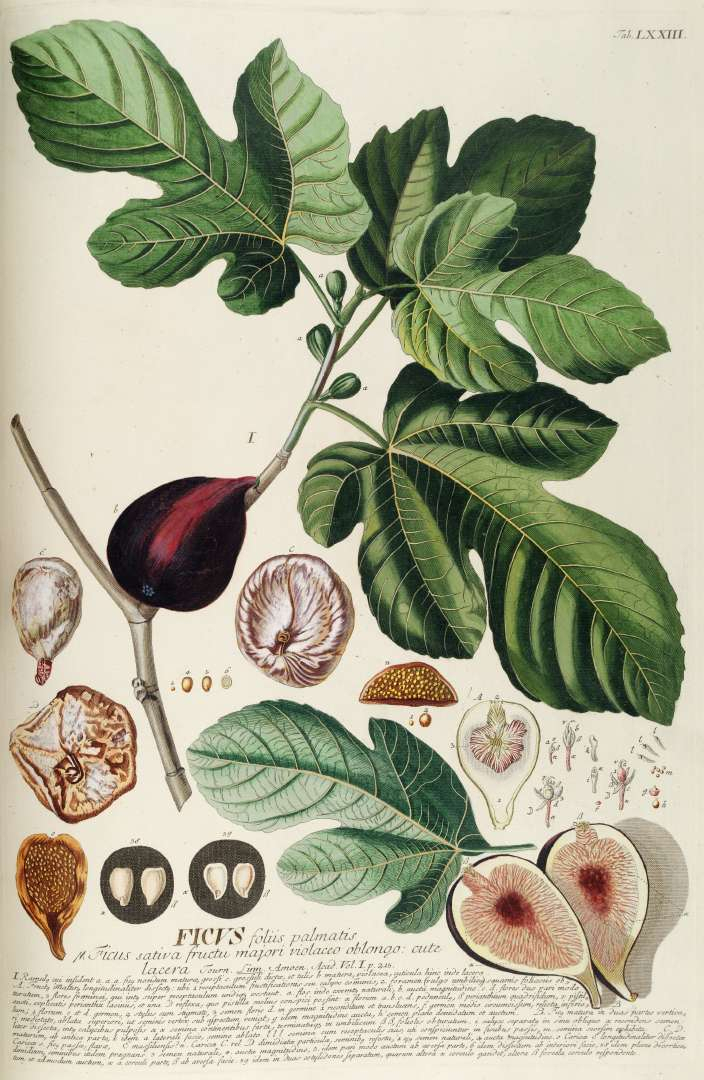
English Fig Wine
Blackberry Wine
Bleak City
A Note on Ill-Breeding from a Knight of Grace of the Order of St. John of Jerusalem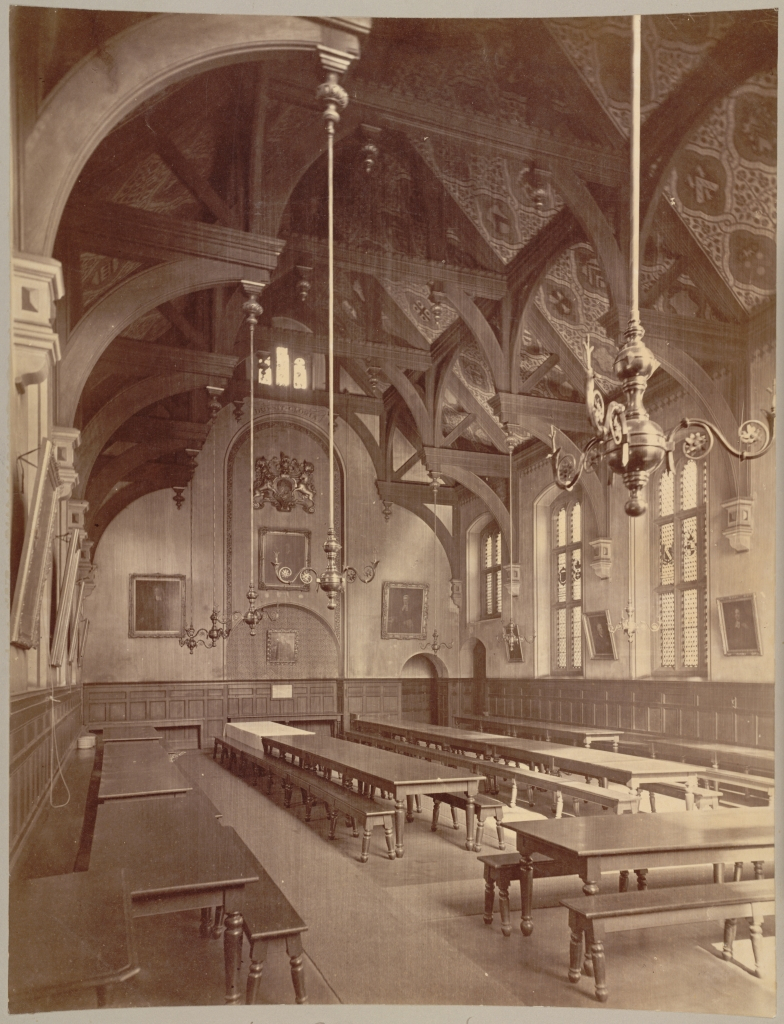
Something about Caius College, Cambridge
Books Condemned to be Burnt
Indian Summer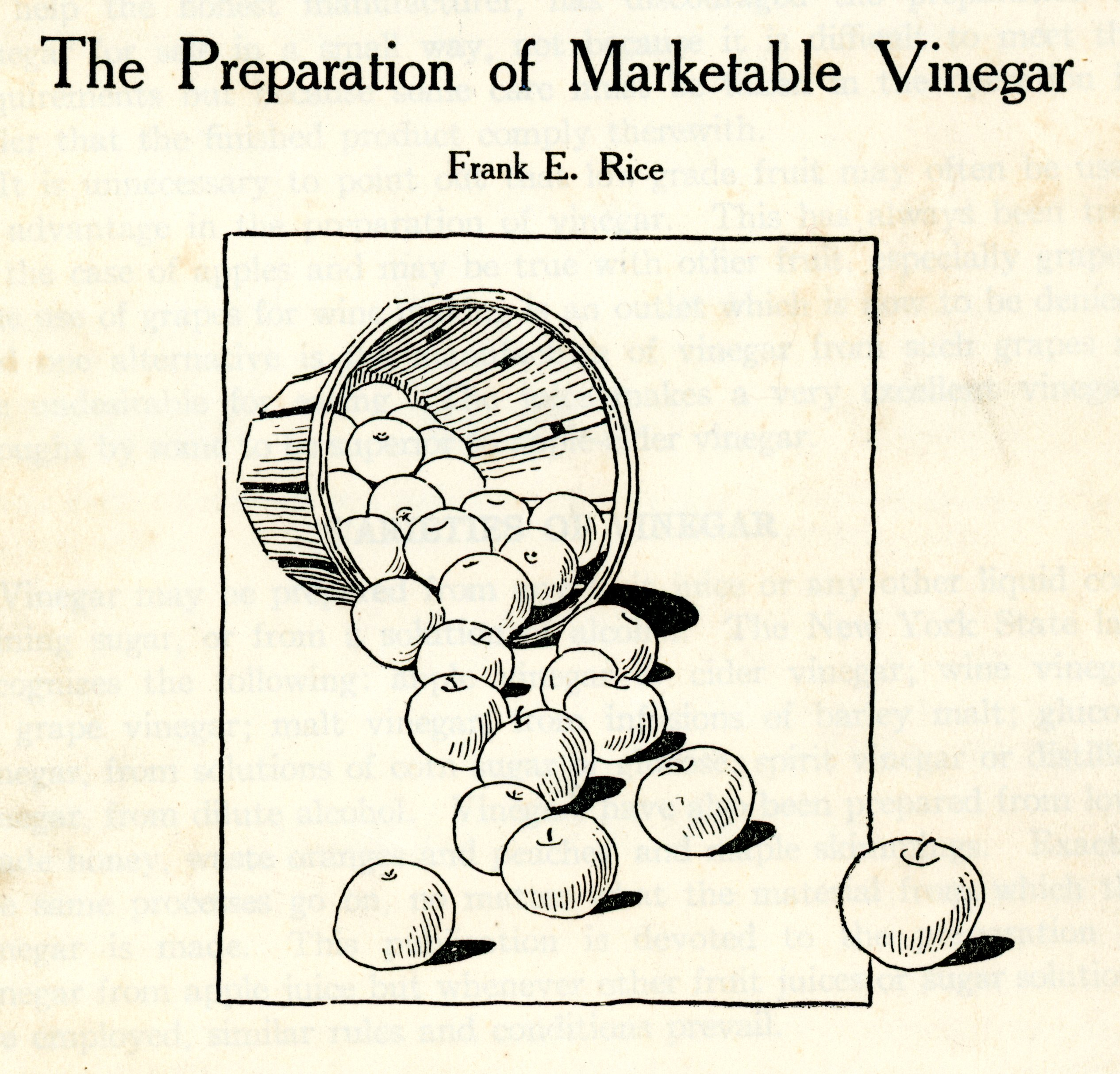
The Preparation of Marketable Vinegar
An Accurate Translation of FDR’s Second Fireside Chat
Of Decorated Furniture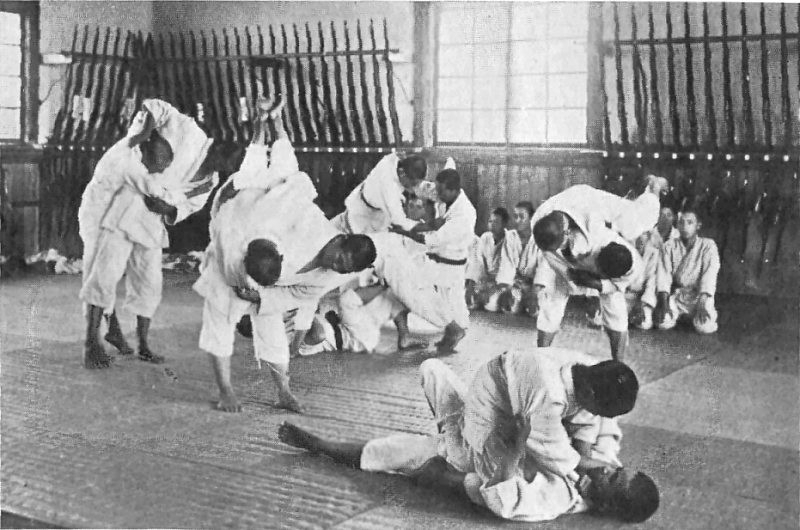
Traditional JuJutsu Health, Strength and Combat Tricks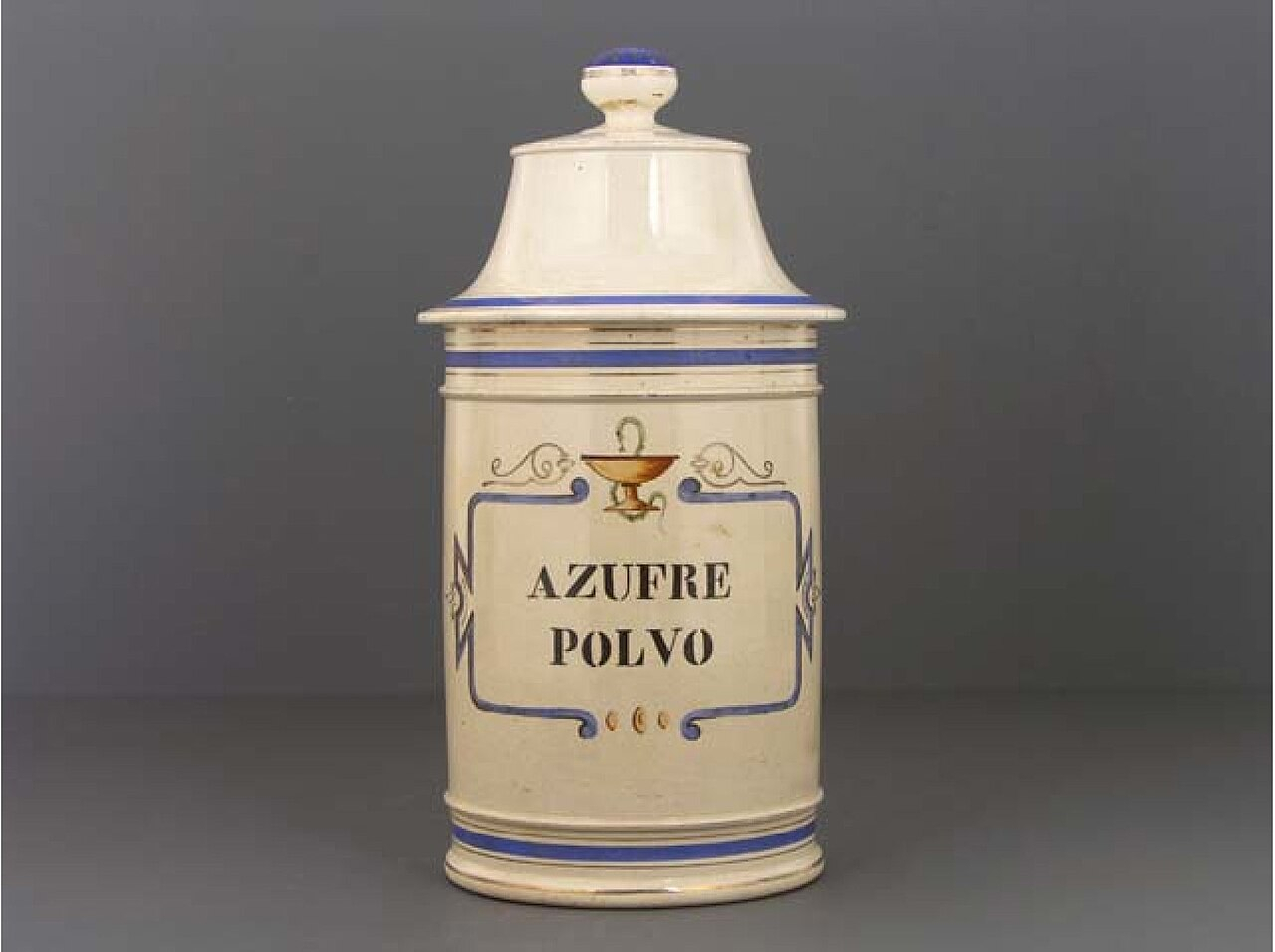
A Cure for Distemper in Dogs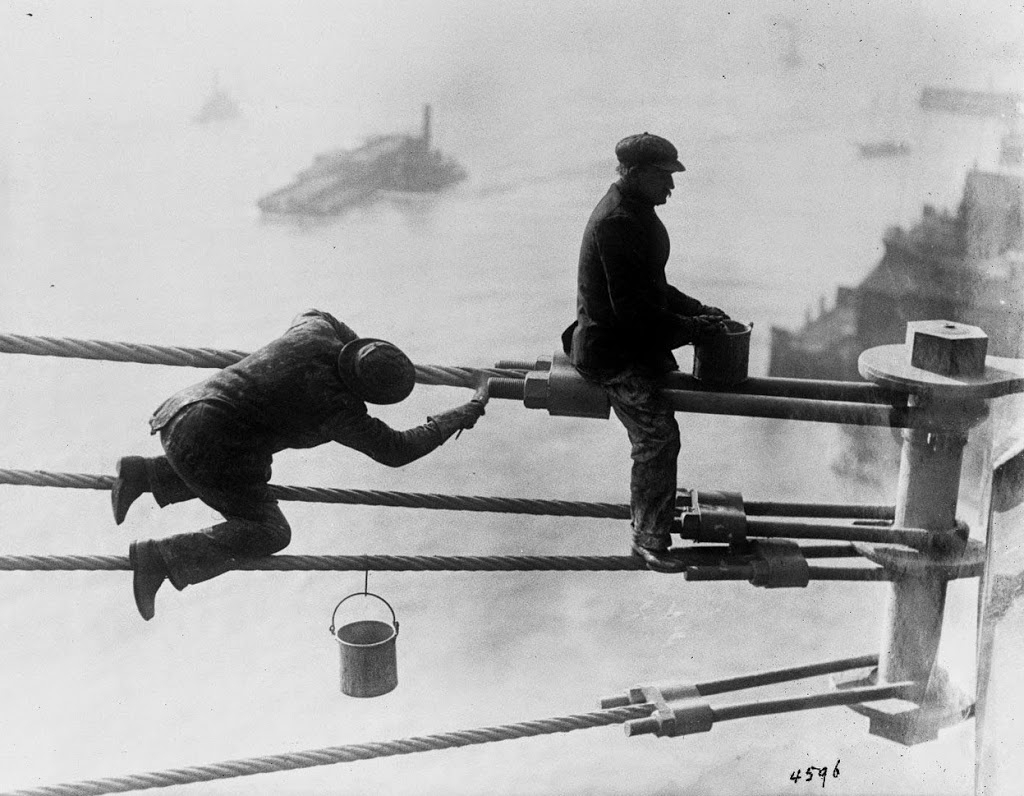
Preserving Iron and Steel Surfaces with Paint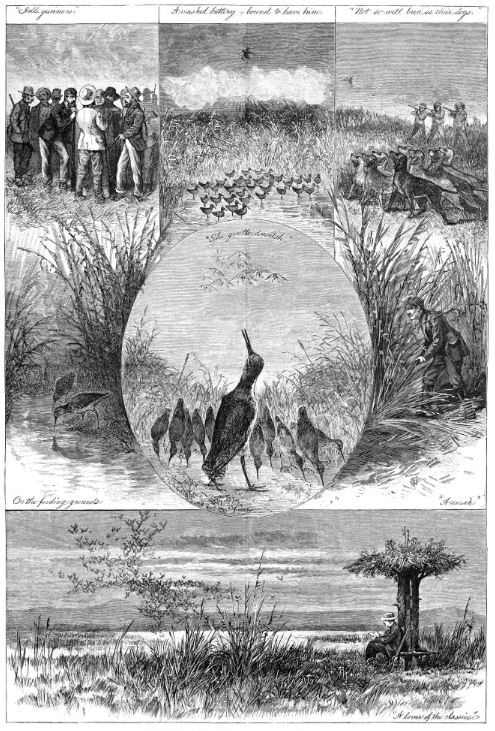
The Snipe |
Ought King Leopold to be Hanged?
Country House Christmas Pudding
Of Interest to Heavy Drinkers: Cleansing the Liver with Northern Ground Cone (Boschniaka rossica)
AB Bookman’s 1948 Guide to Describing Conditions
Harry Houdini Investigates the Spirit World
The Intaglio Processes for Audubon’s Birds of America
The History of Witchcraft in England – The Beginnings
Looking for a Gift for the Book Collector in the Family?
Audubon’s Art Method and Techniques
Suir Vale Harriers Hunt Clonmore Jan 2020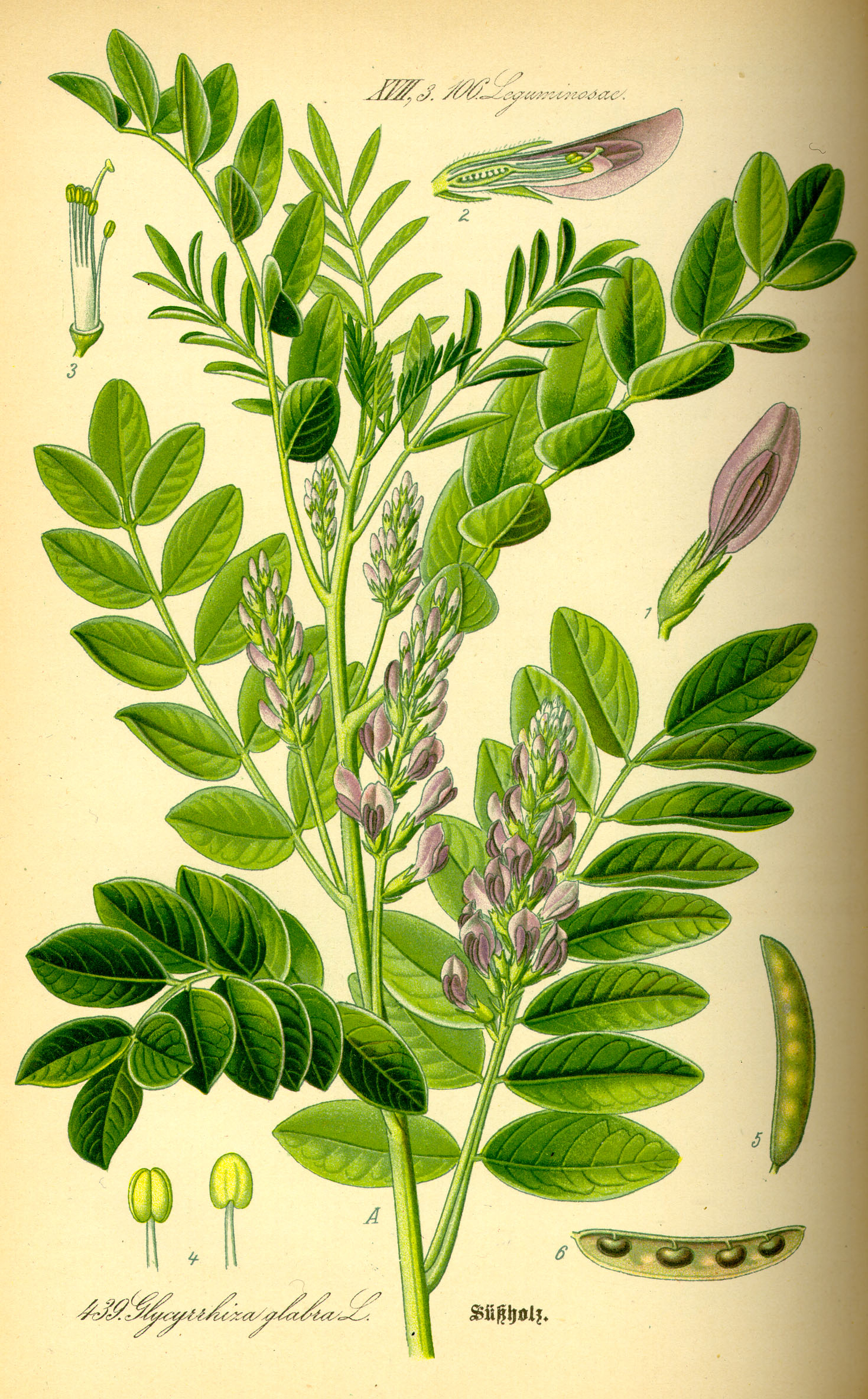
Fruits of the Empire: Licorice Root and Juice
Snipe Shooting
Cleaning Oil Paint Brushes with Linseed Oil and Yardley of London Shea Butter Soap
Money Saving Recipe for Gold Leaf Sizing
The Hatha Yoga PradipikaBulgarian Fox Hunting
Antibiotic Properties of Jungle Soil
Clairvoyance – Methods of Development
The Master of Hounds
Chronological Catalog of Recorded Lunar Events
Gout Remedies
U.S. Plant Variety Protection Act – Full Text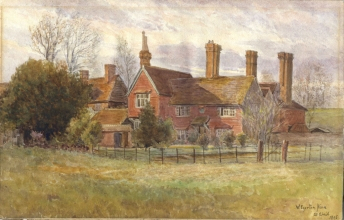
The Character of a Happy Life
Peach Brandy
On the Growth of Plants in Closely Glazed Cases by Nathaniel Bagwell Ward
The Shirk – An Old but Familiar Phenomena
Cleaner for Gilt Picture Frames
History of Regulation of Stock Exchange Specialists
The Age of Chivalry
Proper Wines to Serve with Food
Method of Restoration for Ancient Bronzes and other Alloys
Westminster Confession of Faith – 1646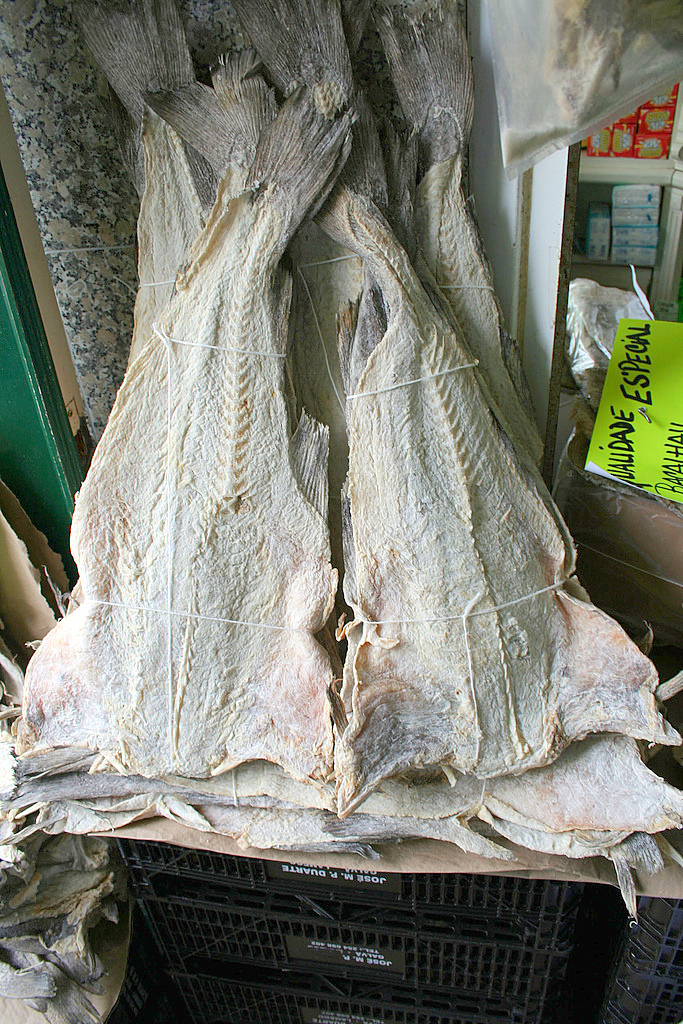
Commercial Fried Fish Cake Recipe
A Day of Foxhunting in Maryland
Cocktails and Canapés
A History of the Use of Arsenicals in Man
An Accurate Translation of FDR’s Second Fireside Chat
A Summer Memory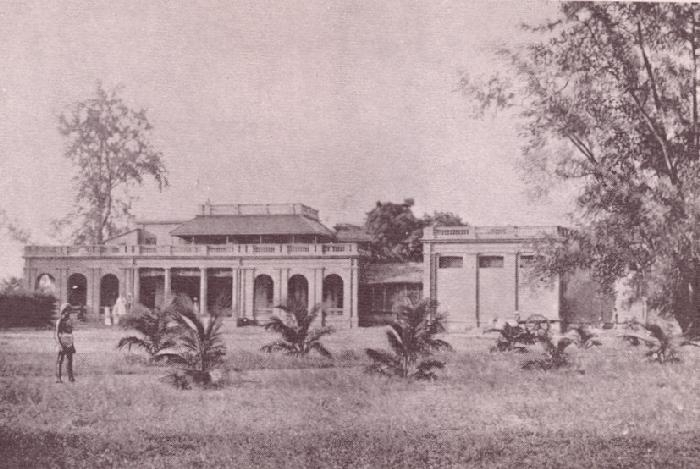
Clarivoyance by C.W. Leadbeater
Salmon Caviar
Gallop of the Common Horse by Eadweard Muybridge 1887
Recipes From Down Under: Kangaroo Cuts
The Billesden Coplow Run
Italian Tart Recipe
Modern Slow Cookers, A Critical Design Flaw
Herbal Psychedelics – Rhododendron ponticum and Mad Honey Disease
A General Process for Making Wine
Philly Dips – Some Philadelphia Cream Cheese Classics from the 1950s
Prairie Steel and Golden Lace
The Snipe
Muscadine Jelly
Carpet Cleaner Formulae
U.S. Coast Guard Radio Information for Boaters
King George’s Empty Crown
How to Make Money – Insurance
Storing Drinking Water in Copper Vessels for Microbial Purification
The Basics of Painting in the Building Trade
The Hardwood Handbook – An Illustrated Guide to Appalachian and Southern Lumber
Life Among the Thugee
A History of Fowling – Ravens and Jays
Making Apple Cider Vinegar
The English Tradition of Woodworking
Flawed Law – The Hunting Act
Texas Tea
The Charge of the Light Brigade
Pickled Eels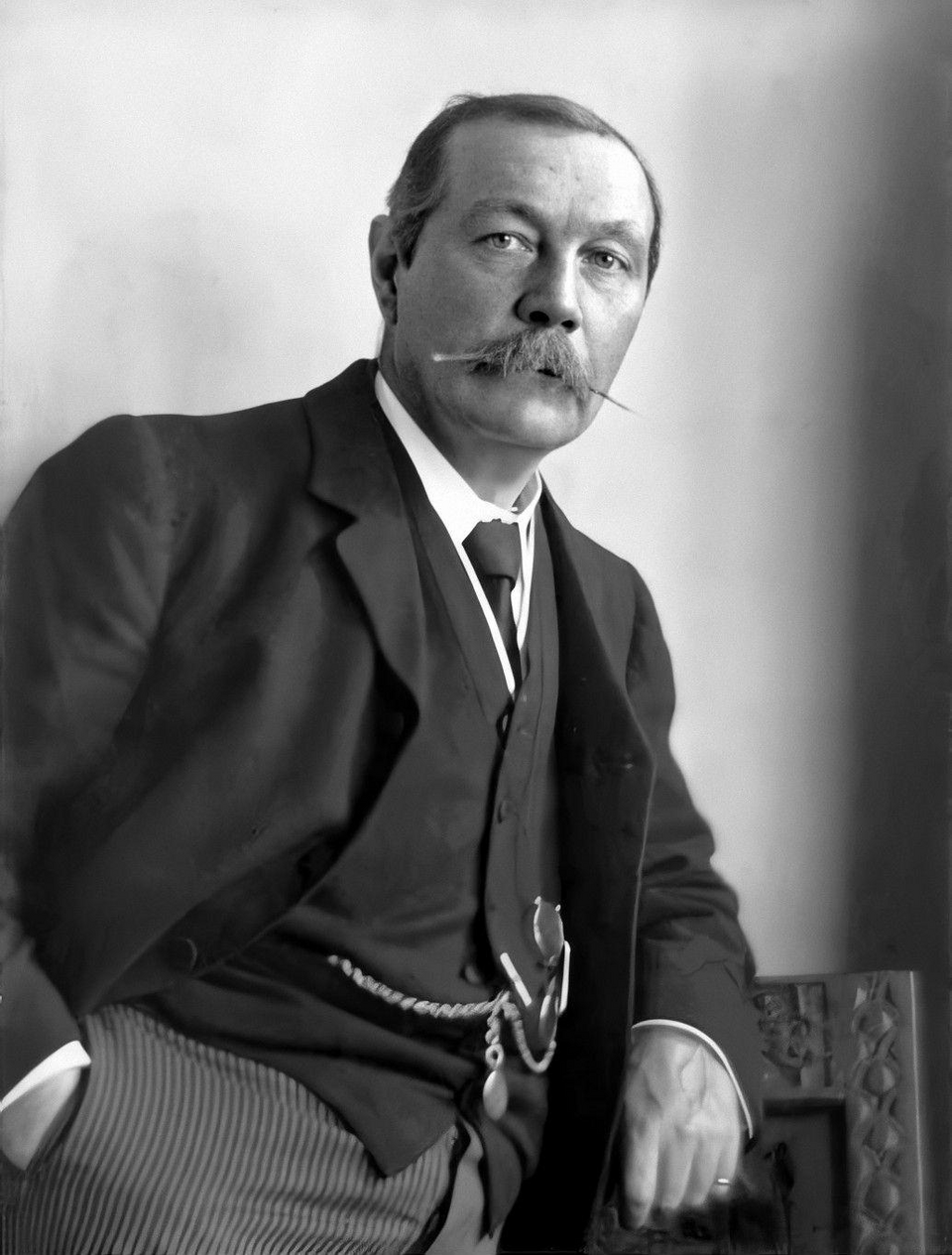
The Crime of the Congo by Arthur Conan Doyle
Motel
Chinese Duck Cooking – A Few Recipes
Bleak City
Homemade Wine Recipes from the 16th and 17th Centuries
The Legacy of Felix de Weldon
The Effect of Magnetic Fields on Wound Healing
Tobacco as Medicine
ShipmatesCuring Diabetes With an Old Malaria Formula
Sir Joshua Reynolds – Notes from Rome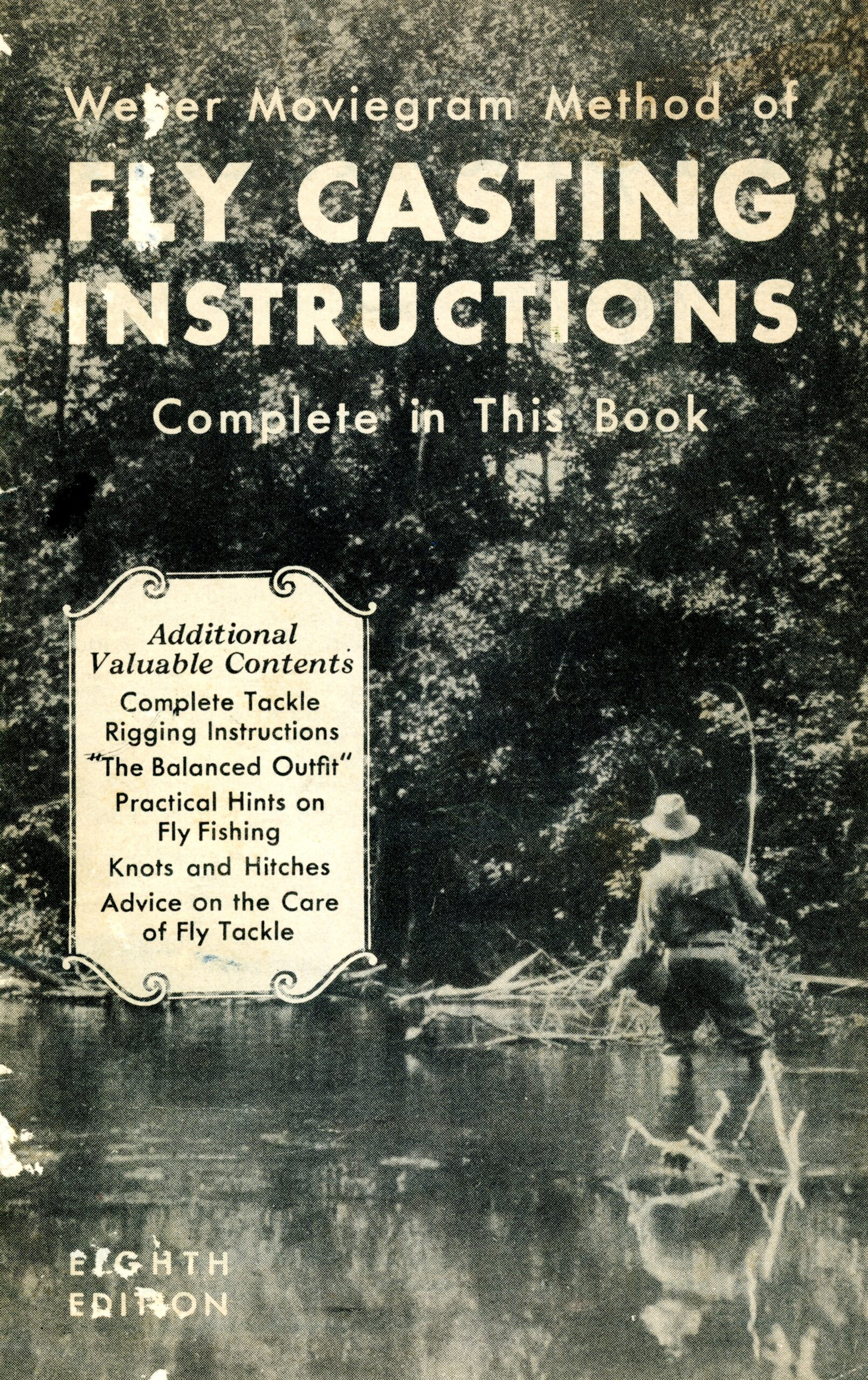
Fly Casting Instructions
The Kalmar War
A Jar of Baseball Dreams
Herman de Vries at Venice Biennale 2015 – Going Caveman With Anti-Matter Fragmentation Art – A Tribute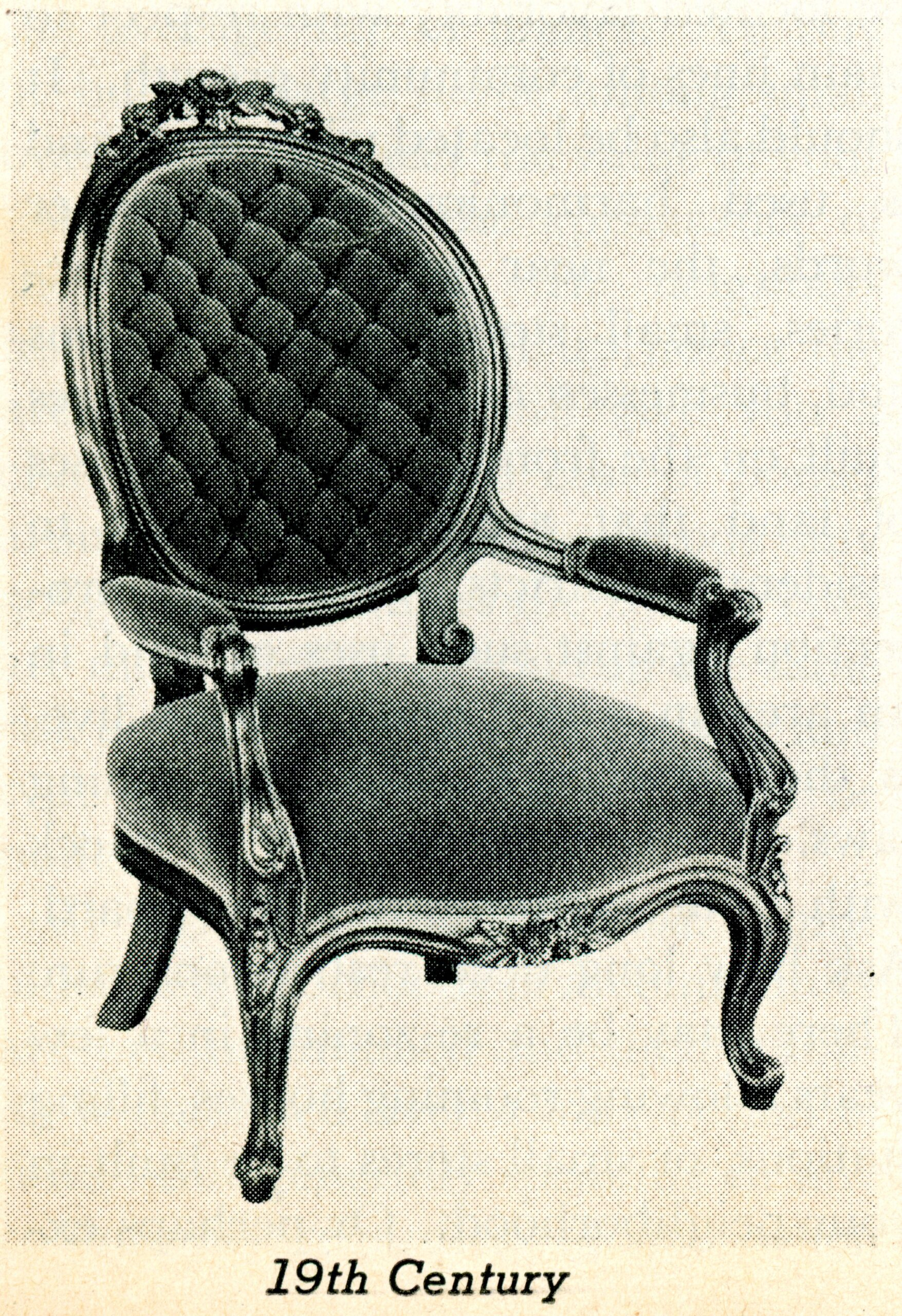
Period Furniture Identification
Thomas Jefferson Correspondence – On Seed Saving and Sharing
Here’s Many a Year to You
A Cure for Distemper in Dogs
The Warmth of a Country Christmas
Artist Methods
Blackberry Wine
Mein’s Circulating Library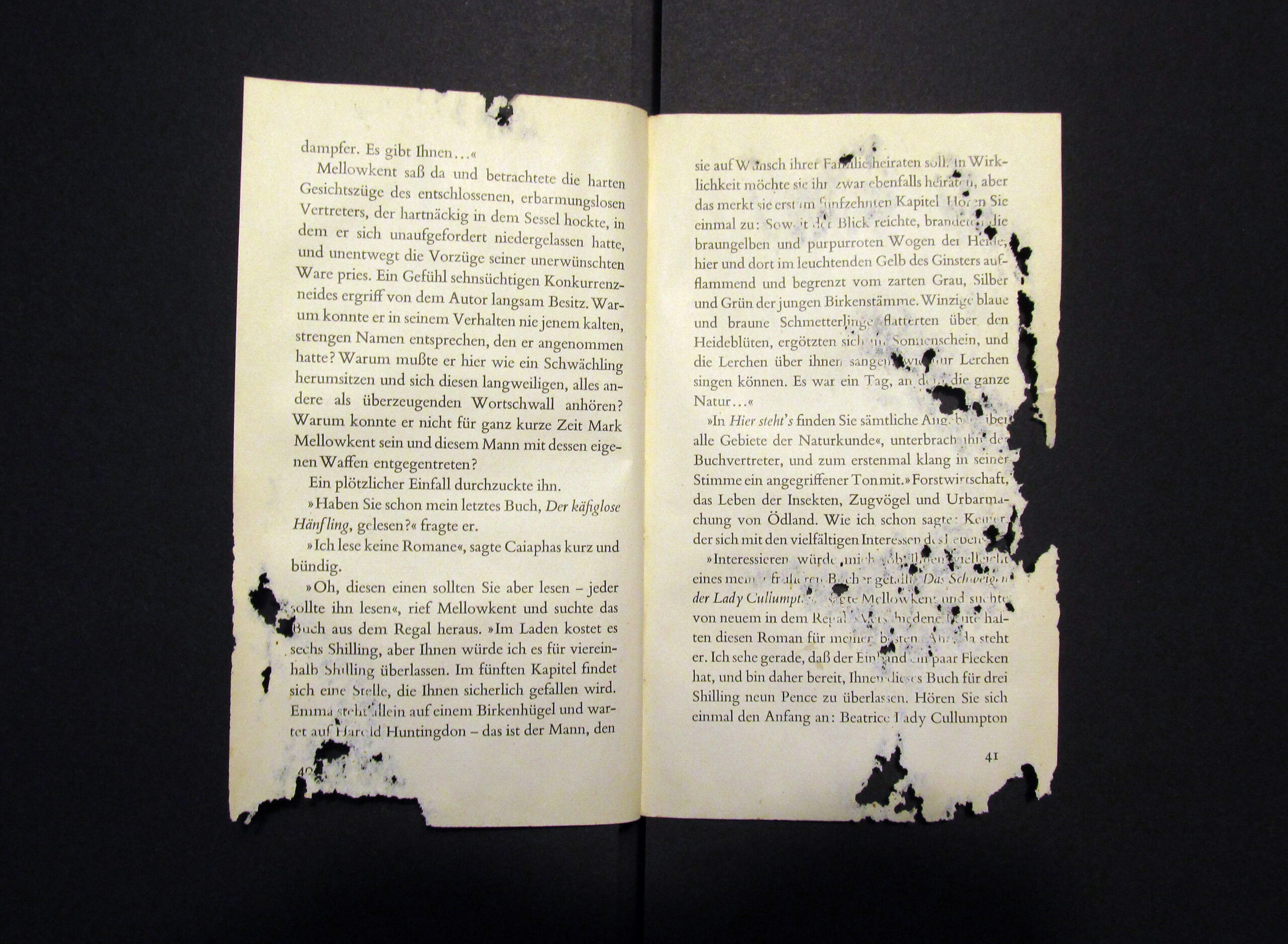
Protecting Rare Books: How to Build a Silverfish Trap
The Damp Dark Plight of Rainy Day Books
Kenilworth by Sir Walter Scott
Palermo Wine
Temples, Walls, And Some of the Roman Antiquities of Bath
Penal Methods of the Middle Ages
A Few Wine Recipes
Paramilitary Operations in the Congo: Witchcraft, Sorcery, Magic and Other Psychological Phenomena
50 Watt 4 Stage Hi-Fidelity Power Amplifier Circuit and Parts List [The Basic Schematic of Most Low Cost Tube Guitar Amps Made Today]
The Last Surfer in California
Books of Use to the International Art Collector |
|||
|
All Rights Reserved © 2018-2026 Country House Essays About | Site Use Policies Top of Pg. | Country House Essays |
||||||


